My Blog
vintage & retro style
  • Home
  • About Me
  • Cart
  • Checkout
  • Shop
  • Contact
  • 0
Author

admin

admin

Uncategorized

Should Freelancers Rely on It?

by admin February 24, 2025
written by admin


As someone who’s spent years helping freelancers optimize their businesses, I recently had the opportunity to dive deep into Marcus, Mesha’s AI-powered invoicing solution.

Like many of you, I’ve experienced the headache of chasing down late payments and managing invoice follow-ups – it’s the least enjoyable part of running a freelance business.

When my team first told me about Marcus, I was skeptical.

email alerts

Get Weekly Freelance Gigs via Email

Enter your freelancing address and we’ll send you a FREE curated list of freelance jobs in your top category every week.

Another invoicing tool? We’ve seen dozens. But after getting a thorough demo of the platform, I realized this might be different.

Instead of just sending automated reminders, Marcus actually understands client communication and adapts its approach based on payment patterns.

Here’s the thing: freelancers don’t need more complex accounts receivable software to manage. We need tools that actually reduce our workload while maintaining professional client relationships.

That’s exactly what I set out to evaluate with Marcus. In this review, I’ll break down exactly what I discovered about this AI-powered system, and help you decide if it’s worth adding to your freelance toolkit.

Let me walk you through what I found after seeing Marcus in action…

Setup and Integration

If there’s one thing that makes me instantly wary of new software, it’s a complicated setup process. Fortunately, Marcus surprised me here. The onboarding is refreshingly straightforward – you literally just click “Continue with Google” and select which email you want to use for sending invoices. That’s it.

What impressed me more was what happens behind the scenes during setup. While you’re essentially just connecting your email, Marcus is quietly doing the heavy lifting: pulling in your invoice history, analyzing payment patterns, and building client profiles. It’s like having a virtual accountant who speed-reads through your entire billing history in minutes.

During my demo, I watched as Marcus processed this initial data and started generating insights almost immediately. It quickly identified which clients typically pay on time and which ones need more follow-up. For freelancers who’ve been in business for a while, this automatic analysis of payment histories is golden – it’s like getting a bird’s-eye view of your accounts receivable without spending hours in spreadsheets.

The Stripe and PayPal integrations are particularly seamless. If you’re already using Stripe or PayPal for payments (as many freelancers do), Marcus automatically includes payment links in your invoices and updates payment statuses without any extra work on your part.

Advertisement:

SponsoredBecome a sponsor

One caveat: You’ll want to give Marcus about 10-15 minutes to fully process everything during initial setup. But trust me – use this time to grab a coffee. It’s doing hours of analysis work that you’d never have time to do manually.

Key Features

AI-Powered Payment Tracking – The Game Changer

Look, I’ve tested dozens of invoicing tools over the years, but Marcus’s approach to payment tracking is different. Instead of just sending blind reminders, it actually learns from your clients’ payment behaviors. During my demo, I saw how it identifies “high-risk clients” and creates custom strategies for each one. If you’ve got that one client who always needs three reminders versus another who pays like clockwork, Marcus picks up on these patterns.

Smart Email Management That Actually Feels Human

Here’s what really caught my attention: the email sequences aren’t just your typical “Your payment is overdue” messages. Marcus crafts emails that progressively escalate in tone – starting friendly and becoming more firm over time. But here’s the clever part: there’s a 10-minute cooling-off period after you start a sequence. As someone who’s accidentally sent an invoice twice (we’ve all been there), I appreciate this safety net.

What genuinely impressed me was watching Marcus handle a test response. When I replied to a payment reminder with “I’ll pay tomorrow,” the system actually understood this promise and adjusted its follow-up schedule accordingly. It’s like having a smart assistant who knows when to back off and when to follow up.

Payment Processing That Makes Sense

The Stripe integration is rock-solid, embedding payment links directly in reminder emails. But Marcus doesn’t lock you into digital payments only. If a client pays you through another method, you can manually mark invoices as paid, and the system immediately halts any pending reminders. This flexibility is crucial for freelancers who juggle multiple payment methods.

Remember those insights I mentioned earlier? Marcus provides clear visualizations of your average days-to-pay metrics and flags at-risk accounts. For someone managing multiple clients, this kind of instant insight is invaluable for cash flow planning.

Additional Features – Beyond Basic Invoicing

I need to be straight with you here: while the core invoicing functionality is what initially drew me to Marcus, there are some extra features that make it more than just another billing tool. Let me break down the ones that actually matter for freelancers.

Email-Based Invoice Creation

This is slick: you can create new invoices just by sending an email. During the demo, I saw how you can simply email Marcus with your invoice details, and it handles the rest. For those of us who get random midnight ideas or need to quickly bill a client while on the go, this is genuinely useful. No need to log into yet another dashboard.

The Vault System

Marcus includes something called “Vault” for file storage. While I’m usually skeptical of all-in-one solutions trying to do too much, this integration makes sense. It keeps your invoices, payment records, and related documents in one searchable place. That said, I wouldn’t recommend ditching your current file storage system just yet – think of this more as a convenient bonus feature.

Email Automation Beyond Invoices

Here’s where things get interesting: Marcus isn’t just sending payment reminders. You can set up other types of automated email sequences too. While I didn’t get to deep-dive into this feature during the demo, it’s worth noting for freelancers who want to streamline their client communication beyond just payment collection.

Advertisement:

SponsoredBecome a sponsor

The key thing to understand is that these additional features don’t feel bolted on – they’re integrated in a way that actually makes sense for a freelancer’s workflow. They’re there if you need them, but they don’t get in the way if you don’t.

User Interface and Management – Where the Rubber Meets the Road

As freelancers, we don’t have time to become software experts – we need tools that just work. During my walkthrough of Marcus, I paid special attention to the daily usability factor, because that’s what ultimately matters.

Campaign Monitoring That Makes Sense

The dashboard shows you exactly what you need to know: which payment reminders are active, which clients are being contacted, and what’s happening with each invoice. What I particularly liked was the clear separation between active and inactive campaigns. You can see all your overdue invoices at a glance, and starting a payment collection sequence is as simple as hitting a ‘play’ button.

Real-Time Invoice Tracking

Here’s something practical: when you click into any client’s profile, you get an instant snapshot of their billing history and current status. During the demo, I could see not only the outstanding invoices but also predictions about payment likelihood based on past behavior. For freelancers juggling multiple clients, this kind of instant insight is gold.

Customization Without Complexity

Let’s talk about the email sequence customization. While Marcus comes with pre-built reminder sequences, you can easily adjust the timing and tone of these messages. Need to push back a reminder by a few days? It’s literally a click and drag operation. Want to modify the message tone? The interface makes it straightforward without requiring you to be a copywriting expert.

The Payment History Insights

What really stood out was how Marcus presents payment history insights. Instead of drowning you in data, it shows you actionable information: average days to pay, risk levels, and top debtors. It’s the kind of information that helps you make better decisions about payment terms and client relationships.

One thing I particularly appreciated was how all these features are accessible without feeling overwhelming. The interface strikes that rare balance between power and simplicity – something that’s crucial when you’re managing your own business.

Pros – Where Marcus Really Shines

After spending time with Marcus, I’ve got to be candid about what makes this tool stand out. As someone who’s seen countless “revolutionary” freelance tools come and go, I’m usually pretty skeptical. But there are some genuine advantages here that deserve attention.

Dead-Simple Setup

Look, I can’t stress enough how refreshing it is to find software that doesn’t require a PhD to set up. The Google authentication and instant data analysis meant I was up and running in minutes, not hours. For busy freelancers, this matters – a lot. No complicated CSV imports, no manual data entry, just connect and go.

AI That Actually Feels Intelligent

I’ve seen plenty of tools slap “AI” on their features list, but Marcus’s implementation is legitimately useful. The way it learns from client payment patterns and adjusts its approach accordingly is impressive. During the demo, I watched it properly interpret a “I’ll pay tomorrow” response and adjust its follow-up schedule – that’s the kind of intelligence that actually saves you time and awkward client interactions.

Time-Saving Automation That Makes Sense

The automated sequences aren’t just blind reminder blasts. They’re thoughtfully escalating communications that maintain professionalism while getting progressively more assertive. That 10-minute cool-off period after starting a sequence? That’s the kind of feature that shows they understand real-world business relationships.

Flexibility When You Need It

Despite being highly automated, Marcus doesn’t lock you into rigid processes. You can easily override automation, adjust reminder timing, or mark payments received through other channels. This flexibility is crucial for freelancers who often deal with varying client payment preferences and situations.

Integration That Works

The Stripe integration is solid, and the email-based invoice creation feature is surprisingly useful. These aren’t just fancy add-ons; they’re practical features that fit naturally into a freelancer’s workflow. The fact that payment links are automatically included in reminders and status updates happen without manual intervention – that’s the kind of automation we actually need.

Advertisement:

SponsoredBecome a sponsor

Marcus also integrates seamlessly with tools like Xero and Quickbooks to make sure everything is synced at all times.

Pricing – Simple and Straightforward

Let’s talk about cost – because for freelancers, every monthly expense needs to justify itself. Marcus keeps things refreshingly simple with their pricing structure. The Starter plan (best for freelancers) comes in at $29 per month, which positions it competitively in the market for professional invoicing solutions.

What’s particularly appealing about this pricing tier is that it includes all the core AI-powered features we’ve discussed: the intelligent payment tracking, automated reminder sequences, and Stripe integration. There’s no bait-and-switch here where the AI capabilities are locked behind a higher tier – what you see is what you get.

For freelancers handling multiple clients and regular invoicing, the time saved on payment follow-ups and client communication can easily justify the monthly investment. When you consider the potential improvement in cash flow from better payment tracking and faster collections, the ROI becomes even clearer.

Conclusion – Is Marcus Right for Your Freelance Business?

After spending hands-on time with Marcus, here’s my honest take: this isn’t just another invoicing tool – it’s a genuine step forward in how freelancers can handle their accounts receivable. But let’s get real about who this is really for.

Who Should Use Marcus?

You’ll get the most value from Marcus if:

  • You’re juggling multiple clients with different payment behaviors
  • You’re tired of playing email tag with late-paying clients
  • You want to maintain professional relationships while being firm about payments
  • You already use Stripe for payment processing
  • You need to reclaim the time you’re spending on payment follow-ups

Who Might Want to Skip It?

Marcus might be overkill if:

  • You only handle a couple of clients with reliable payment histories
  • You prefer complete manual control over every client interaction
  • You’re just starting out and don’t have enough payment history to leverage the AI insights

The Bottom Line

Here’s what it comes down to: Marcus isn’t trying to revolutionize invoicing – it’s trying to eliminate the headaches that come with it. The AI-powered response handling, intelligent payment tracking, and automated-yet-customizable reminder sequences all point to a tool that understands what freelancers actually need.

What impressed me most wasn’t any single feature, but rather how everything works together to solve a real problem: getting paid on time without damaging client relationships. The initial setup experience shows they understand that freelancers don’t have time for complex software deployment, while the intelligent features prove they know what matters in day-to-day operations.

For freelancers who’ve been looking for a way to professionalize their payment collection process without hiring a dedicated accounts person, Marcus could be the sweet spot between manual management and full-service accounts receivable.

Is it perfect? No software is. But it’s a solid step forward in freelance business management, and for many freelancers, it could be the tool that finally lets them stop worrying about payment follow-ups and focus on what they do best – their actual work.

Keep the conversation going…

Over 10,000 of us are having daily conversations over in our free Facebook group and we’d love to see you there. Join us!




Source link

February 24, 2025 0 comment
0 FacebookTwitterPinterestEmail
Uncategorized

How to Become a Freelance Email Marketer in 2025

by admin February 24, 2025
written by admin


As a freelancer, you’re always on the lookout for new growth opportunities. Email might not be a new strategy, but it’s one of your best chances for a steady income stream. It remains a top marketing channel to acquire more clients—and build connections. And it’s affordable, too.

Mastering the art of creating compelling email campaigns is a skill you learn once and keeps rewarding you in the long run. To get you started, we’ll present the basic steps to become a successful freelance email marketer. But first, let’s discuss why email is a profitable channel for freelancers.

Why Freelance Email Marketing?

According to data, 75.4% of consumers prefer to receive promotional messages from businesses via email. If that’s not reason enough to invest in email marketing, here are some extra benefits of choosing freelance email marketing:

email alerts

Get Weekly Freelance Gigs via Email

Enter your freelancing address and we’ll send you a FREE curated list of freelance jobs in your top category every week.

  • Low investment in budget and time. For freelancers, time and money are of utmost importance. Most email services offer a free trial to test the waters. You can select which features you need and pick your pricing plan accordingly. They come with automation capabilities, too. With them, you can set specific email sequences once and let them run on autopilot. This frees up time to focus on other aspects of your business.
  • Strengthened relations. Email gives you access to customers’ inboxes, a far more personal space than social media platforms where you target broader audiences. Email personalization helps you send tailored messages based on each recipient’s needs, making them feel appreciated.
  • Enhanced lead nurturing. One-to-one communication via email gives freelancers a unique opportunity to nurture leads throughout their customer journey. Even if they don’t need your services once they sign up, regular email content keeps you top of mind for future collaboration. For instance, you could create a bi-weekly or monthly newsletter, where you showcase your expertise and provide helpful tips to address their challenges.

A Guide for Freelance Email Marketers: Reaching Success with Email

So, we’ve established why email marketing is ideal to build a successful freelancing career. Now it’s time to go through the steps to make it happen.

Identify your Customer Personas

“Who is the ideal customer persona to target?” That’s the first and most important question to answer before even building an email marketing strategy. The consumer pool is too wide, and targeting many different groups could lead you on the wrong path. You should carefully consider your specific skills and the industry for which they’re a perfect fit.

For instance, a writer with legal experience or legal background will have attention to detail, strong research skills, and analytical thinking. They probably understand legal standards, making it easier to navigate email regulations and ensure their emails stay within legal boundaries. This profile will be ideally suited for law email marketing.

Given this unique skill set, such a professional should research the following customer personas:

  • Law firms and legal agencies

Once you decide on your target clients, create a detailed persona profile before you reach out to them. Consider every characteristic that helps you understand their interests, needs, and pain points.

audience research

Contacting the client personas who need exactly what you have to offer is the best way to create a sustainable freelance business. For example, you’ll know what type of incentive to include for them to join your email list. Once you acquire these qualified leads, you’ll be on your way to providing exceptional services to their companies. And that’s how they’ll become recurring customers—and refer you to their network.

Pick a Reliable Email Marketing Service

Sending emails from a regular email client like Yahoo or Gmail as a freelance email marketer isn’t a good idea. A dedicated email platform helps you do more than sending emails.

For those aiming to become skilled in email marketing, understanding the essential tools and technologies at your disposal is crucial. One such tool to consider is professional email service providers. They don’t just help with sending emails but offer comprehensive functionalities like esp integration, improving campaign efficiency through customer segmentation and automation. This aids freelancers in delivering personalized content seamlessly.

Here’s how such a tool will power up your email marketing efforts:

  • Customizable email templates. Save time with premade designs. Using drag-and-drop email builders, you get to create and send beautiful, professionally looking emails even if you don’t have previous design experience.
  • Powerful lead generation features. Build your email list by setting up effective sign-up forms and landing pages. First, you get the right people and then, divide them into groups based on common characteristics like demographics or psychographics.
  • Healthy list-building. A reliable email service helps freelancers have healthy email lists. Some of the options provided include adding an unsubscribe option to emails, setting up a double opt-in process, and identifying disengaged audience groups.
  • Reliable email delivery. Ensure your emails reach inboxes every time with a trusted email platform. These tools integrate seamlessly with your marketing campaigns and offer robust APIs and SMTP relay capabilities, giving freelancers the confidence they need to deliver messages effectively.
  • Automated emails and series. With email automation, you can send promotional and transactional campaigns to subscribers at the optimal time without handling each email manually. Some of these solutions offer built-in automated workflows that you can tweak as you please. For example, you can add, remove, or merge conditional steps.
  • Robust reporting. Email tools come with analytics that let you track key metrics like open and click-through rates, conversions, and unsubscribes. You can monitor your email performance and make the necessary adjustments to optimize results and increase your customers’ email ROI.

Of course, not every email tool is a great fit for freelancers. Here are our top picks to help you start and advance your freelance email marketing journey:

  • Moosend is an affordable email marketing automation service ideal for freelancers who start now or are scaling their email marketing and want a simple-to-use tool.
  • MailerLite comes with a generous free plan that allows freelancers to perform basic email tasks using easy-to-grasp features and an intuitive interface.
  • Brevo is a marketing solution with a user-friendly email editor for freelancers to create easily. Plus, it offers options to target recipients on SMS and WhatsApp.

Build your Email List

When you get things up and running, it’s time to build a subscriber base. First, you should ensure that the people you add to your list have gone through an opt-in process. That way, you’ll have their explicit consent to deliver email marketing campaigns.

The most common way to invite users to join your list is through a sign-up form. How can they access your form? Here are some of the most popular options:

  • Get it onto your portfolio website
  • Promote sign-ups on your social media channels
  • Ask your existing network to share it via email

Most email service providers have form builders that let you create beautiful forms in minutes—no coding skills required. You just add the fields you need, that would be their name and email address at first. If the platform offers pre-made form templates and customization functionality, use them to match your forms to your branding. Alternatively, you may use the landing page builders incorporated into some ESPs to design an email sign-up landing page.

To encourage visitors to subscribe, it’s better to throw in a lead magnet. What would your target client want? Your lead magnet could be anything from an eBook or report to an online course or template. The key is to offer something that’s valuable to them or showcases your expertise. Then, you’ll have more chances of getting them on your list.

Advertisement:

SponsoredBecome a sponsor

Let’s see an example of an effective lead capturing form:

email capture example

Share Insightful Email Content

Delivering meaningful email content is paramount to hook your subscribers. For increased engagement, offer value right off the bat. Your audience’s needs always come first, so focus on what you can do for them. Here are some examples:

  • Prove the value of your services by sharing customer success stories in the form of testimonials or case studies. Be sure to include numbers and statistics to back up your claims.
  • Use your weekly, biweekly, or monthly newsletter to share educational content, such as links to helpful blog posts you have created
  • Keep your subscribers informed by notifying them on new services or projects, sudden changes in your niche or business, or must-attend events
  • Share exclusive tips that address your audience’s most common pain points and help them reach success
  • Highlight important achievements and milestones like acquiring a certificate or reaching a certain number of subscribers
  • Inform recipients about upcoming limited-time offers on your services.

Anything goes if it helps you build authority and makes your clients think of you as their go-to resource. Sending useful email content is key to establishing trust and keeping you top of mind until your recipients need your services.

Follow Email Marketing Best Practices

Gaining and maintaining customer trust goes beyond dispatching helpful email content. Adhering to data privacy and protection laws is crucial, too. To be a successful freelancer, you’ll need to know email regulations and comply with their requirements. Some of them include:

  • Getting users’ permission to send them emails.
  • Adding an unsubscribe option to every email.
  • Simplifying the opt-out process and handling unsubscribes quickly.
  • Including a valid postal address in your email footer.
  • Avoiding misleading information in your email subject lines and copy.
  • Identifying promotional emails and advertisements as such.

Building trust involves not only the quality, but also the frequency of your emails. Sticking to a consistent email schedule goes hand in hand with optimized performance. And that’s because subscribers want you to deliver what you promised.

Advertisement:

SponsoredBecome a sponsor

Was it a monthly email? That’s what they’ll be expecting. If you send emails less often, chances are they’ll forget about you. On the other hand, delivering emails once a week could annoy them.

Optimize your Email Performance

Also, remember that your work isn’t done after you hit ‘send.’ Email marketers should be able to monitor and interpret key metrics such as open rates, click-through rates, list growth rates, conversions, etc. You can access such data through your email marketing software’s analytics. Tracking these metrics will tell you which aspects to improve. This data-driven approach helps freelance email marketers evaluate their success and optimize them for maximum impact.

While monitoring reports is important, never neglect the tried-and-true method of hearing it from the horse’s mouth. Stay in touch with your target audience and ask for their feedback on where you could do better.

Add surveys to your emails and social media, perhaps using a small incentive to encourage completion. Even people who choose to unsubscribe are a valuable source of information. Create an unsubscribe page with a short poll asking users why they opted out to identify common reasons and areas for improvement.

You could also reach out to people who fit your ideal customer profile and interview them to understand their likes and challenges

Invest in Networking

Networking is the perfect method to find more clients. So, make sure you collaborate with other freelancers or professionals in your industry. You can do so using several different ways:

  • Connecting on social media
  • Attending industry events
  • Registering to webinars hosted by niche experts
  • Following industry blogs and commenting on posts
  • Joining online communities

Connecting with other professionals will be useful in expanding your subscriber base. It’ll also help you exchange insights and stay informed about trends and best practices.

Advertisement:

SponsoredBecome a sponsor

Sometimes it’ll get you further, for example landing a hiring opportunity through your existing contacts. Or it could lead to mutually beneficial collaborations. For instance, team up with a designer or content writer to optimize your content and explore new opportunities—depending on your field of expertise.

Start Planning your Freelance Email Marketing Journey

Freelance email marketing requires careful planning, ongoing development, and long-term engagement with your audience. You can start small by sending simpler emails and scale your strategy as you expand your customer base.

Continuous learning is vital if you want to grow as a freelance email marketer. So, ensure you go after relevant certifications to further develop your skills. Also, stay up to date with the latest email marketing trends and technologies to enhance your credibility.

Spying on established brands is also a bulletproof way to optimize your email campaigns. Ensure you study their best emails in search of inspiration.

This approach, along with the steps analyzed here, will help you manage your email marketing effectively. Keep learning, stay informed, and constantly nurture your audience so you can grow your freelance business and improve customer acquisition and retention.

Keep the conversation going…

Over 10,000 of us are having daily conversations over in our free Facebook group and we’d love to see you there. Join us!


Source link

February 24, 2025 0 comment
0 FacebookTwitterPinterestEmail
Uncategorized

7 Effective Client Acquisition Strategies for Emerging Agency Builders in 2024

by admin February 24, 2025
written by admin


The advent of innovative technologies, evolving consumer preferences, and a highly competitive marketplace suggest that old-fashioned strategies for client acquisition are no longer effective. To thrive in 2024, agencies must adopt innovative, data-driven strategies that not only attract but also retain clients in a way that builds long-term business relationships.

The challenges are particularly intense for newly established agencies. It’s not enough to rely on the usual methods and hope that leads will consistently come through the door. Instead, agency builders need to take a proactive approach to getting clients by using a combination of expert knowledge, digital tools, and strategic partnerships.

Here are some key approaches for client acquisition that can help agency builders in 2024 succeed:

email alerts

Get Weekly Freelance Gigs via Email

Enter your freelancing address and we’ll send you a FREE curated list of freelance jobs in your top category every week.

Capitalize on Niche Expertise

Focusing on a specific niche helps your agency stand out by providing specialized services for a particular industry. Instead of trying to serve everyone, concentrate on one area, like healthcare marketing or ecommerce SEO, to become an expert.

When you showcase extensive knowledge and skills in your niche, potential clients are more inclined to have confidence in your agency to address their unique requirements. This targeted approach not only makes it easier to market your services but also attracts clients who are looking for tailored solutions that general agencies may not provide.

Being acknowledged as an expert in a particular area can distinguish you from others and attract valuable clients.

Use Social Proof and Client Case Studies

Social proof consists of positive feedback, recommendations, and testimonials from happy clients, which can greatly impact how prospective clients make their decisions. When prospects see that others have had positive experiences with your agency, it builds trust and reassures them that they are making a wise choice.

Client case studies provide a deeper dive into your agency’s success stories. By detailing specific projects, challenges faced, and the solutions you implemented, you offer potential clients a tangible demonstration of your capabilities. Highlighting measurable outcomes—such as increased revenue, improved engagement rates, or successful campaign results—makes your expertise more relatable and convincing.

As clients become more selective, showing social proof and clear case studies can help your agency stand out. This will draw in new clients and also build trust, making them feel confident in choosing your services because they see that others have had positive experiences.

Implement Inbound Marketing

Inbound marketing is a strategic approach that focuses on attracting clients through valuable content and meaningful interactions, rather than interruptive advertising. Here’s how to do it:

  • Create Valuable Content: Start by producing high-quality content that addresses the specific needs and challenges of your target audience. This could involve various formats such as articles, video content, ebooks, and infographics. The goal is to educate and inform potential clients, positioning your agency as a trusted resource.
  • Optimize for Search Engines (SEO): To ensure your content reaches the right audience, optimize it for search engines. Incorporate keywords and phrases that your target clients are most likely to look up. This increases your visibility online and drives organic traffic to your website.
  • Use Social Media: Share your content on social media platforms where your target audience is active. Active interaction with users through feedback, shares, and reactions can enhance your visibility and nurture a supportive community for your brand.
  • Use Email Marketing: Build an email list by offering valuable resources in exchange for contact information. Use this list to send personalized newsletters, updates, and promotional content that keeps your agency top-of-mind for potential clients.
  • Create Lead Magnets: Offer free resources, such as templates, guides, or consultations, to entice potential clients to provide their contact information. This will help generate leads and also showcase your expertise.
  • Nurture Leads: Once you attract leads, nurture them through targeted email campaigns and follow-ups. Provide additional valuable content that addresses their needs, guiding them through the decision-making process.

Use Paid Advertising and Retargeting

Allocating funds to paid advertising allows your agency to showcase its services across a range of platforms, including:

  • Google Ads
  • Social media platforms (like Facebook, Instagram, and LinkedIn)
  • Display networks

By using paid ads, you can focus on particular demographics, interests, and behaviors, ensuring that your message connects with potential clients who are more inclined to engage with your agency.

You must establish specific goals (boosting brand recognition, capturing leads, or directing visitors to your site) before initiating a paid advertising campaign.

Craft compelling and attention-grabbing ads that appeal directly to your target market. This includes strong visuals, engaging copy, and a clear call to action that encourages potential clients to take the next step.

Retargeting ensures that your ads reach individuals who have previously interacted with your website or content. This strategy keeps your agency top-of-mind for potential clients who may not have converted during their initial visit. By reminding them of your services, you increase the likelihood of re-engagement.

Implement targeted retargeting strategies that customize your ads according to how users interact with your content. For instance, you can create specific ads for users who visited your pricing page versus those who downloaded a resource. This personalized approach increases the relevance of your ads and enhances the chances of conversion.

Offer Free Resources or Trials

You can consider offering free trials of your services or a sample of your work. For instance, if you’re a digital marketing agency, you might provide a complimentary audit of a client’s current marketing strategy or a free consultation. This allows prospects to experience the value of your services firsthand, increasing the likelihood of conversion.

Host free workshops or webinars that provide valuable information while showcasing your agency’s expertise. This interactive format allows potential clients to engage with your brand and ask questions, helping to establish a connection and build trust.

Advertisement:

SponsoredBecome a sponsor

After potential clients engage with your free resources, follow up with personalized communication. Ask for feedback, offer additional resources, or invite them to discuss how your agency can help meet their specific needs. This proactive approach keeps your agency top-of-mind and encourages further engagement.

Repurpose Your Content

You should analyze your existing content to identify pieces that have performed well in terms of engagement, shares, or conversions. Focus on these high-performing pieces as they have already resonated with your audience.

Convert your content into various formats to appeal to different preferences. You can repurpose a successful blog post into different formats like an infographic, a video, a podcast episode, or a slide presentation. Each format caters to different audience segments and increases the chances of reaching more potential clients.

Consider revisiting your past content to refresh it with updated information, new statistics, or fresh insights to ensure it stays current and useful.

You can consider grouping related pieces of content into a series or bundle. If you have multiple blog posts on a specific topic, consider creating an ebook or a comprehensive guide that compiles these posts. This provides a valuable resource for potential clients while showcasing your expertise.

Use snippets or key takeaways from your longer content pieces to create social media posts. Sharing quotes, statistics, or visuals can spark interest and drive traffic back to the full content, whether it’s a blog post, video, or webinar.

Adjust the repurposed content for different platforms or audiences. For example, you can use a full video on YouTube, but a shorter version works better on TikTok or Instagram Reels.

Advertisement:

SponsoredBecome a sponsor

Prioritize Networking and Referrals

Happy clients tend to share their good experiences with others, which significantly increases your chances of gaining new referrals. Don’t hesitate to ask satisfied clients for referrals. After successfully completing a project or receiving positive feedback, reach out (through a phone call, email, or even in person) and kindly request that they recommend your agency to their contacts.

Establish a formal referral program that incentivizes clients to refer new business to your agency. Offer rewards such as discounts, free services, or gift cards for each successful referral. This will encourage clients to refer and also show appreciation for their support.

Collect testimonials from happy clients and showcase them on your website and marketing materials. Positive reviews and success stories act as social proof, making it easier for potential clients to trust your agency when referred by someone they know.

Try to establish a formal referral network with other businesses that complement your services. For example, if you run a digital marketing agency, partner with web design or development firms. This mutual referral arrangement can create a steady stream of potential clients for both parties.

It’s quite important to participate in industry gatherings, seminars, and workshops to connect with prospective clients, collaborators, and key influencers. You must focus on developing authentic connections instead of merely swapping business cards. Make an effort to have impactful dialogues, truly hear what others are saying, and express sincere curiosity about their projects and passions.

Advertisement:

SponsoredBecome a sponsor

Joining professional associations as a member that are relevant to your field can greatly enhance your networking prospects. Join local organizations, engage in virtual communities, or become active in niche networks to interact with others who share your professional goals and interests.

These organizations often host events, networking sessions, and webinars that can lead to potential collaborations and referrals.

To connect with professionals in your field, you can use platforms like:

  • LinkedIn
  • Twitter
  • Industry-specific forums

Share valuable content, engage in discussions, and participate in online communities. Establishing a digital footprint enables you to highlight your skills and draw in prospective clients and collaborators.

Final Thoughts

Client acquisition involves more than just bringing in new sales; it’s about establishing authentic relationships and offering insights and benefits that genuinely appeal to your clients. Emerging agency builders should continuously assess and refine their client acquisition strategies.

Continuously improving your client experience, providing exceptional service, and showing that you value client feedback will foster long-term relationships and repeat business. Agencies that take a client-centric approach and focus on creating value will stand out.

Keep the conversation going…

Over 10,000 of us are having daily conversations over in our free Facebook group and we’d love to see you there. Join us!


Source link

February 24, 2025 0 comment
0 FacebookTwitterPinterestEmail
Uncategorized

6 Mistakes Freelancers Make When Setting Up an LLC

by admin February 24, 2025
written by admin


Note: This article contains legal advice. We recommend you consult a lawyer before making legal decisions in your business.

Freelancing is on the rise like never before. In 2023, 73% of U.S. workers planned to freelance. An astonishing 46% of the global workforce is self-employed. In 2023, 72% of Gen Zers planned to leave their jobs to work for themselves. These numbers show that freelancing is more than a trend. It’s shaping the future of how and where we work.

The appeal is undeniable: flexibility, autonomy, and the chance to be your own boss. But freelancing is more than just picking a service to offer or setting your own hours. You need to begin with a strong foundation to build a successful, sustainable freelance business. The key is to structure your business properly from the outset.

Many freelancers first set up an LLC to professionalize their business. An LLC provides legal protection, tax advantages, and credibility with clients. But, the process can be tricky. Common mistakes can have costly effects.

email alerts

Get Weekly Freelance Gigs via Email

Enter your freelancing address and we’ll send you a FREE curated list of freelance jobs in your top category every week.

This article will cover six common mistakes people make when starting a freelance LLC. Most importantly, we’ll show you how to avoid them. This will help you set up your freelance business for long-term success.

Why should you set up an LLC?

For freelancers, an LLC is a great way to protect your business and personal assets. An LLC separates your personal and business finances. It protects your home, savings, and belongings from debts or lawsuits tied to your freelance work.

Beyond protection, an LLC also boosts your professional image. Clients see LLCs as more credible than sole proprietors. So, it’s easier to get high-paying contracts and long-term relationships. This added professionalism can set you apart from competitors and open the door to more opportunities.

An LLC also brings significant tax benefits. It allows for pass-through taxation. Business income is reported on your personal tax return. This may simplify your tax process. If you earn more as a freelancer, choose S-Corp tax for your LLC. It can reduce your self-employment tax and save you money as your business grows.

Finally, an LLC prepares you for growth. Whether you plan to hire subcontractors, form partnerships, or expand your services, an LLC provides the flexibility and structure you’ll need to succeed.

It’s a foundational step that positions your freelance business for long-term success. Even if you’re just selling digital products online or doing occasional gig work like consulting or graphic design, it’s worth considering setting up an LLC to protect your growing business.

Image Source

What do you need to set up an LLC?

Setting up an LLC might seem daunting at first, but with the right preparation, it’s a straightforward process. Here are six key elements you’ll need to get started and ensure your freelance business is on solid legal ground.

1. Choose your business name

Every LLC needs a unique business name that complies with your state’s regulations. The name should not only reflect your services but also stand out to clients.

Be sure to check your state’s database for availability and confirm that the name includes “LLC” or “Limited Liability Company” to meet legal requirements.

In conjunction with establishing your business name is securing a domain name for your website. If your desired domain isn’t available, or if it’s too long or hard to remember, consider using a creative, memorable alternative.

For example, HJV Car Accident Personal Injury Lawyers opted for a unique URL, justicestartshere.com, to stand out while keeping things simple and effective.

By choosing a domain that’s catchy and relevant, you make it easier for potential clients to find and remember your business online.

2. File articles of organization

The Articles of Organization (also called a Certificate of Formation in some states) is the official document that establishes your LLC. You will need to file this with your state and pay a filing fee, which varies by location.

Advertisement:

SponsoredBecome a sponsor

This document outlines your business name, address, and the name of your registered agent (a person or service authorized to receive legal notices on your behalf).

3. Create an operating agreement

Although not always legally required, an operating agreement is a vital document that lays out the structure and operations of your LLC.

It helps clarify roles, responsibilities, and decision-making processes, especially if you plan to expand or bring on partners later.

4. Obtain an EIN

An Employer Identification Number (EIN) from the IRS is necessary for tax purposes. Even if you don’t have employees, an EIN allows you to open a business bank account and simplify tax reporting.

The good news? It’s free to apply online through the IRS website.

5. Gather your documentation

Collecting and managing your business documents is a key part of the LLC setup process. Tools like Content Snare can simplify this step by helping you request and organize all necessary files, such as contracts, operating agreements, and tax forms, in one place.

Advertisement:

SponsoredBecome a sponsor

6. Understand state-specific requirements

LLC regulations differ from state to state, so it’s crucial to research your state’s specific rules. Some states require annual reports or franchise taxes, which should be factored into your budget and timeline.

Is there a chance you’ll operate in multiple states? A company like Zehl & Associates is a law firm that serves clients across the United States and must be aware of nuances in LLC requirements in different states. Be sure you check state requirements in every state where you will do business.

Image Source

6 mistakes freelancers make when setting up an LLC

If you want to survive and thrive as a freelancer, then you need to set your business up for success from the get-go.

Let’s look into 6 mistakes freelancers make when setting up an LLC and what you can do to avoid making these same mistakes.

Mistake #1: Choosing the wrong business structure

One of the first and most important decisions for a freelancer is choosing the right business structure. Many jump into freelancing as sole proprietors because it’s easy to set up. But, that doesn’t always provide the protection or flexibility needed as your business grows.

Advertisement:

SponsoredBecome a sponsor

An LLC is better than a sole proprietorship. It protects your assets and boosts your credibility. Some freelancers choose an LLC. They don’t consider if an S-Corp tax election could suit them better. For example, if your freelance business makes good money, an S-Corp might reduce your self-employment taxes. It could help you keep more of your earnings.

Another mistake is overcomplicating things by choosing a C-Corp. It’s unnecessary for most freelancers. C-Corps face double taxation and extra rules. They clash with the simplicity freelancers seek.

The key is to assess your current and future business goals. If you want limited liability, manageable taxes, and room for growth, an LLC is often the best fit. A business attorney or tax professional can help. They can ensure you choose a structure that supports your long-term success.

Mistake #2: Not understanding state and local LLC laws

Each state has its own rules for LLC formation, taxes, and ongoing compliance. Not knowing these rules can lead to penalties, costs, or losing your LLC’s good standing. This mistake often stems from assuming all states operate the same way, but the reality is far more nuanced.

Some states must have annual reports and franchise taxes. Others have low fees and less frequent reporting. Also, consider local laws (like city business licensing requirements). Operating in many locations adds complexity. You must ensure compliance in every state or city where your business operates.

Consider Attorneys of Chicago, a law firm with offices in several cities in Illinois. Their strong presence across a state is an advantage for their business, but it means they must be aware of unique laws in different cities and counties. If you to grow your reach and become an LLC in multiple locations, you must navigate these issues.

To avoid any mistakes here, research your state’s requirements before setting up your LLC. If you plan to work with clients outside your home state, consult a lawyer to ensure compliance. Staying proactive about state and local laws helps protect your LLC. It also ensures smooth operations wherever you do business.

Mistake #3: Skipping or underestimating insurance needs

Don’t overlook the importance of insurance when setting up an LLC. It’s a critical safety net. Without adequate coverage, you’re leaving your business and personal assets exposed to potential risks.

For instance, if a client sues over a mistake in your work, professional liability insurance can cover legal fees and damages. General liability insurance protects you from claims of physical injury or property damage. Both can arise from everyday business interactions.

Even if your freelance work is entirely online, risks still exist.

Get insurance that fits your needs. It could be general liability, professional liability, or even health insurance (for yourself or staff if you have one). Simply, insurance protects your LLC. Once you’re protected, you can focus on growing your business without worry.

Mistake #4: Mixing personal and business finances

A common mistake freelancers make when setting up an LLC is not separating personal and business finances. Using your personal bank account for business transactions may seem convenient. But, it can blur the lines between your personal and business assets.

This not only complicates your accounting but can also weaken the liability protection your LLC provides.

To avoid this, start by opening a dedicated business bank account. Use this account only for business income and expenses. It helps you track your finances, manage taxes, and keep records. Most banks offer business accounts for small businesses and freelancers. They often include perks like online banking and accounting software integrations.

Next, establish a system for managing finances. Tools like invoicing software and finance apps can simplify tracking income and expenses. These tools help you spot trends in your earnings. They also help you plan for tax payments and keep your business profitable.

Finally, remember that consistency is key. Keeping your finances separate isn’t just for easier taxes. It shows clients, collaborators, and investors that you run a professional, organized operation. Doing this before you launch as an LLC will save you time and stress. It will also prevent any potential legal problems later on.

Mistake #5: Ignoring tax obligations and overlooking possible deductions

Taxes can be a daunting part of freelancing. For new LLC owners, they can be even more complicated. Not knowing your tax obligations or missing deductions can waste time and money.

As an LLC owner, you must pay self-employment taxes. This tax covers Social Security and Medicare. Additionally, you may need to make quarterly estimated tax payments to avoid penalties at the end of the year. The key is to stay organized and plan! Consider using accounting software or hiring a tax professional to help you manage your obligations.

One of the perks of an LLC is the ability to claim a wide range of tax deductions. Common deductions include home office expenses, internet and phone bills, software subscriptions, professional development courses, and travel costs for work. Keeping detailed records of your business expenses will help you save. It will ensure you don’t miss valuable opportunities to do so.

Of course, you want to make sure that whatever you deduct from your taxes is a true business expense. Don’t try to cheat the system. It can put your personal and business finances at risk and is not worth it.

If you’re overwhelmed by taxes, consult a CPA. One with small business experience can help a lot. They can help you with complex tax rules, optimize your deductions, and decide if your LLC should elect S-Corp status to cut self-employment taxes. Proactive tax planning is an investment in your business. It helps you stay compliant and maximize your profits.

Mistake #6: Neglecting to seek professional help when needed

As a freelancer running an LLC, you might be tempted to do everything yourself. But this can lead to costly mistakes. Professionals like lawyers and accountants can protect your business from avoidable risks.

A lawyer can help you create strong contracts, ensuring you’re protected in case of disputes with clients. An accountant can help you understand tax laws, find deductions, and set up a financial plan that fits your business needs.

Without expert guidance, you risk making costly errors, whether it’s filing taxes wrong or using ineffective contracts. But getting professional help doesn’t have to be expensive. There are affordable services available for small business owners, such as online legal platforms or freelance accountants.

Investing in professional help at the right time can save you money and prevent bigger problems down the road. Don’t wait for an issue to arise. Seek advice early to help protect your LLC and give you peace of mind as your business grows.

Bonus tip: Don’t overlook branding and marketing as you set up your LLC

While structuring your LLC is crucial, neglecting your branding can be an equally costly mistake. Your brand is the face of your business, and it’s often the first impression clients have of your work. From day one, branding sets the tone for how your freelance business will connect with its audience and stand out in a crowded market.

Your brand is how clients perceive and connect with your business. It’s more than just a logo or name—it’s the story, tone, and values that set you apart. Consistency is crucial, as seen with DLG Team, which uses cohesive branding across platforms, reinforcing professionalism and memorability.

Image Source

When clients move from website to social media, it’s important to maintain consistency with color schemes, graphics, and message tone. Notice how their Instagram page reflects their website:

Image Source

A strong brand also tells a story: why you freelance, what makes your services unique, and how you solve client problems. Paired with effective marketing, your branding can establish authority and help you reach the right audience at the right time.

To be successful:

  • Choose a memorable name for your business
  • Design a logo and select colors that represent your identity and vibe
  • Develop brand standards to ensure uniformity across your website, emails, and marketing materials
  • Create a mission statement and define the tone of voice you’ll use in all communications.

Consistency is key—your brand should be instantly recognizable across all platforms. A cohesive, compelling brand not only enhances credibility but also builds trust and helps your LLC thrive in the long term.

Then there’s all the marketing of your brand that you’ll do. Marketing and client outreach are critical for freelancers looking to stand out. If you’re unsure how to grow your business, consider leveraging resources like startup SEO strategies to enhance your online visibility. Additionally, tools like automated email marketing platforms can simplify communication and help create strong relationships with your customers.

Don’t leave branding and marketing as an afterthought. Treat it as an integral part of your business plan, just like setting up your LLC. If you do, you’ll lay the groundwork for long-term business success.

Wrapping it up

Starting an LLC from your freelance work is a big step towards professionalizing your business and securing both your personal and business assets. However, common mistakes can hinder your success. By avoiding the mistakes we mentioned in this article, you can avoid costly errors. Additionally, establishing strong branding and a marketing plan from the start can set you apart in a competitive market.

Remember, setting up your LLC is just the beginning. Ongoing research, planning, and seeking expert advice will ensure you’re on track for long-term success. Take the time to set your freelance business up correctly, and it will pay off as your business grows.

If you’re tired of the cubicle life and ready to do work you love, make more than you ever thought possible, and enjoy ultimate freedom, Millo is the right place for you. Join our community today by subscribing to our newsletter, and turn your freelance work into your full-time business.

Keep the conversation going…

Over 10,000 of us are having daily conversations over in our free Facebook group and we’d love to see you there. Join us!




Source link

February 24, 2025 0 comment
0 FacebookTwitterPinterestEmail
Uncategorized

5 Things to Know Before Moving from Freelancing to a Corporate Job

by admin February 24, 2025
written by admin


Transitioning from freelancing to a corporate job marks a significant career shift, one that demands careful consideration and preparation. While freelancing offers flexibility and independence, corporate roles provide stability, benefits, and professional growth opportunities.

According to Forbes, there are over 70 million freelancers in the U.S. Despite 80% of gig workers expressing satisfaction with the gig economy, 96% still aspire to secure permanent jobs.

The job market dynamics further reflect this trend. In 2022, over 50 million Americans quit their jobs, confident in their ability to find roles with better pay and alignment with their goals. However, the trend slowed in 2023, with 3.47 million Americans leaving their jobs in November, marking the second-lowest figure since early 2021.

email alerts

Get Weekly Freelance Gigs via Email

Enter your freelancing address and we’ll send you a FREE curated list of freelance jobs in your top category every week.

As the workforce landscape evolves, here are five essential things to know before transitioning from freelancing to a corporate job.

I. The 9-to-5 Grind

One of the most significant adjustments when moving from freelancing to a corporate job is adapting to a structured work schedule. The traditional 9-to-5 routine, while offering stability, can be a stark contrast to the flexibility of freelancing. However, the pandemic has reshaped the traditional work landscape, introducing hybrid work models that blend remote and in-office work.

According to McKinsey & Company, office attendance has stabilized post-pandemic, with many employees opting for a hybrid approach. Factors influencing this trend include company size, industry, and individual preferences. Larger companies, with more resources for remote work, often see lower office attendance rates.

Smaller companies, with a stronger sense of community, may encourage more in-person interactions.

Regardless of the specific work arrangement, it’s essential to embrace the corporate culture. Each organization has its unique norms, values, and expectations. Understanding and adapting to these cultural nuances can significantly impact your professional success. From office etiquette to communication styles, being mindful of these factors can help you integrate seamlessly into your new role.

II. Benefits and Perks

One of the biggest advantages of full-time employment is the range of employer-provided benefits. Freelancers are responsible for arranging and funding their health insurance, retirement plans, and time off, which can be costly and complicated. Additionally, sick days and paid holidays are not an option for freelancers unless they can work remotely while on vacation.

Corporate jobs typically provide health insurance plans, including medical, dental, and vision coverage, which can greatly alleviate the financial burden of healthcare. Before accepting an offer, it’s important to review the company’s benefits packages to understand coverage details.

Many corporate positions offer retirement benefits, like 401(k) plans, often with employer matching contributions, to help employees save for the future. Additionally, paid time off (PTO) policies, including vacation days and sick leave, help maintain a healthier work-life balance.

III. Career Progression

Corporate jobs generally provide clearer pathways for career advancement compared to freelancing. Recognizing potential career paths within your organization is essential for effectively navigating your professional journey.

Advertisement:

SponsoredBecome a sponsor

This may include seeking mentorship or obtaining additional qualifications to improve your skills and marketability. For instance, enrolling in an online MBA program can significantly boost your prospects.

According to Kettering University, a degree in Business Administration opens doors to various management roles across multiple industries. These fields encompass accounting, human resource management, finance, public relations, marketing, consulting, and technology.

Understanding the performance review process is key to career growth. Regular feedback can help you identify strengths, weaknesses, and set goals. Proactively seek feedback from supervisors and colleagues to improve your performance.

IV. Compensation and Taxes

When transitioning from freelancing to a corporate job, negotiating your salary and benefits package is a crucial step. Be prepared to discuss your base salary expectations, along with additional perks like bonuses, stock options, and other fringe benefits. Research industry standards to ensure your compensation is fair for your skills and experience.

In addition to salary and benefits, understanding the tax implications of full-time employment is vital. Unlike freelancing, where you must manage estimated quarterly taxes, corporate employers handle payroll taxes on your behalf. Familiarize yourself with how income tax withholding works in a traditional employment setting to avoid surprises at tax time.

Fringe benefits, as noted by Investopedia, are extras companies provide to employees to recruit, motivate, and retain talent. These can include company cars, paid time off, or gym memberships. While these benefits can add substantial value to your compensation package, they are typically taxable unless exempted.

The IRS maintains a Tax Guide to Fringe Benefits, which outlines which benefits are subject to taxation and which are excluded from income taxes.

V. Work-Life Balance

Effective time management is essential in a corporate environment, where deadlines are often dictated by others rather than your own schedule. To navigate this shift successfully, develop strategies that help you balance work commitments with personal responsibilities. Prioritizing tasks and utilizing tools like calendars or project management software can enhance your productivity and organization.

As you transition into this structured setting, you may experience increased stress due to new responsibilities and workplace dynamics. It’s important to adopt stress management techniques, such as mindfulness practices or regular exercise, to effectively cope with work-related pressures.

If maintaining a healthy work-life balance is a priority for you, consider seeking out companies that offer flexible work arrangements. Many organizations are progressively acknowledging the significance of employee well-being. They are willing to accommodate individual needs, fostering a supportive work environment.

This flexibility makes it easier for you to integrate your professional and personal life, enhancing both productivity and work-life balance.

FAQs

What should I do if I struggle with adjusting to a 9-to-5 schedule?

If you’re struggling to adjust to a 9-to-5 schedule, start by establishing a consistent routine and setting clear boundaries between work and personal time. Gradually adjust your sleep habits, take regular breaks during work, and communicate any challenges with your employer for potential flexibility.

Advertisement:

SponsoredBecome a sponsor

How can I effectively negotiate my salary in a corporate job?

To negotiate your salary effectively, research industry standards and understand your worth based on your skills and experience. Clearly communicate your expectations and highlight the value you bring to the company. Practice your pitch, stay confident, and be prepared to discuss benefits and growth opportunities.

Are there specific industries where freelance experience is more valued?

Yes, freelance experience is highly valued in industries like tech, marketing, design, writing, and consulting. These sectors often prioritize skills, adaptability, and results over traditional employment history. Freelancers in these fields are valued for their independence, creativity, and ability to manage multiple projects efficiently.

Moving from freelancing to a corporate job presents both challenges and opportunities for personal growth and professional development. Understanding the differences in structure, culture, benefits, career progression, compensation, and work-life balance will prepare you for this significant transition.

By approaching this change with an open mind and a willingness to adapt, you can successfully transition from freelancing independence to corporate collaboration.

Advertisement:

SponsoredBecome a sponsor

Keep the conversation going…

Over 10,000 of us are having daily conversations over in our free Facebook group and we’d love to see you there. Join us!



Source link

February 24, 2025 0 comment
0 FacebookTwitterPinterestEmail
Uncategorized

How to Go from a Freelance Web Developer to a Successful Web Design Agency

by admin February 24, 2025
written by admin


Tired of the feast or famine cycle? Want to tackle more interesting and advanced projects or diversify your services? Or just wish to grow your brand into something larger than freelance gigs?

If any of these hit close to home, you must be considering leaving your freelancer life behind. But while starting a website design agency can seem the logical next step in your career, it’s also a daunting task.

After all, you’ll have to manage a team, take care of accounting and payroll, and so, so much more.

email alerts

Get Weekly Freelance Gigs via Email

Enter your freelancing address and we’ll send you a FREE curated list of freelance jobs in your top category every week.

These doubts are valid, but they’re not a good reason to call it quits before you even try to launch your agency. Let me convince you so by breaking down how to make the journey based on my experience at Fivecube, a design agency with almost a decade of experience.

1. Find Your Niche

What kind of clients will you target? And what is your agency’s unique value proposition? These are the two main questions you should be asking here.

For example, you may choose to specialize in brand design for specific industries, like retail and eCommerce. Or, you may decide to set up a graphic design agency that caters to the needs of financial organizations.

Your niche choice will dictate how you’ll promote your agency and approach client relationships, as well as who you’ll need to hire. So, don’t take this step too lightly.

Having trouble settling on the niche? Consider:

  • Technologies and tools your agency will use
  • The size, industry, and location of your ideal client
  • The range of services you’ll provide

2. Consider Capital Requirements

When you set out to become a freelancer, all you need is time. Starting a design agency, on the other hand, requires startup capital to finance payroll, equipment, software licenses, marketing and branding, and office rent if you’re not 100% remote.

At the very beginning, your agency will have plenty of fixed expenses that you’ll have to pay just to keep things running, whether or not you get any paying clients. So, make sure you estimate the capital size properly before going through with the registration and hiring processes.

There are several ways you can build the startup capital:

  • Use your own savings
  • Apply for a business loan or a grant
  • Get an investor buy-in

Note: To understand at what point you’ll be breaking even, you’ll need to know how much you’ll be charging for your services. Be mindful that you may need to reassess your rates once your business is up and running.

Advertisement:

SponsoredBecome a sponsor

3. Take Care of Legal Obligations

What you have to do during this phase depends heavily on your jurisdiction. In other words, starting a business in the US won’t involve the same steps as it would in the EU or Canada.

So, make sure you’ve done your research on the available statuses and registration requirements – and follow the instructions of your jurisdiction’s regulators.

To choose the right status, consider:

  • Applicable tax protocols
  • Limitations on the number of employees
  • Maximum revenue thresholds
  • Limitations on the allowed activities

While you’re doing your homework, also pay attention to:

  • Record keeping and employer obligations
  • Insurance obligations
  • Required permits or licenses
  • Existing programs for supporting new businesses (e.g., tax rebate for the first year)
  • Additional obligations for import-export businesses (if you plan to serve clients from other countries)

4. Assemble Your Team

While branding, marketing, and communication with clients are all worth paying attention to, your team will be the ultimate strength (or weakness) of your agency. Hire wisely – and your first clients will spread the word that your agency is worth turning to.

Who you’ll need to hire will depend partially on the type of agency. A UX design agency, for example, will need UX designers. A brand design agency, on the other hand, can’t function without branding specialists.

That said, any design agency needs the same roles to run its day-to-day operations. Those include HR managers, accountants, project managers, and so on.

As for how to assemble the team, your approach may differ. You may decide to tackle recruitment on your own, using your network as the talent pool. In this case, however, be mindful of your legal obligations and bring yourself up to speed on the do’s and don’ts of hiring.

Alternatively, you can hire a recruitment manager to take care of the hiring for you – but it’ll cost you.

5. Build Your Processes

Your client pipeline should be impeccable, your project delivery should be predictable, and your communication should be systematic and transparent. To achieve all of this, you’ll need to establish a well-documented framework for working with clients as an agency.

Think of this framework as the ground rules for everyone at your agency. For example, you can establish how fast your team should respond to the client’s messages or how often you should provide updates on the project.

You should also pay attention to the pre-sales process, including the proposal writing, and the internal quality assurance workflows.

Advertisement:

SponsoredBecome a sponsor

Once You’re Ready: Spread the Word

You have your capital, you’ve registered your design agency as a business, and you’ve built your team. Now, it’s time to tell the world you’re open for business.

Of course, it’s easier said than done. While promoting a design agency deserves a separate guide, I’d like to leave you with three tips on how to land your first clients as an agency:

  • Let your former clients know. It never hurts to let the clients who turned to you as a freelancer know that you now run an agency that can meet their needs. Even if they don’t turn to you themselves, they may refer your agency to their peers.
  • Build a website. Any respectable business must have a website these days. So, don’t skip out on this step. Besides, it’s your chance to demonstrate your design skills in practice.
  • Adapt your proposals to each client. That’s a rule that you may be already familiar with as a freelancer. It rings true for design agencies, too. In a nutshell, every proposal you send has to meet your client’s one-of-a-kind needs.
Advertisement:

SponsoredBecome a sponsor

Keep the conversation going…

Over 10,000 of us are having daily conversations over in our free Facebook group and we’d love to see you there. Join us!



Source link

February 24, 2025 0 comment
0 FacebookTwitterPinterestEmail
Uncategorized

What Does a UX Engineer Do on a Daily Basis?

by admin February 24, 2025
written by admin


UX designers and engineers are valuable experts who can apply their skills to various jobs. Furthermore, they can have diverse clients, from the automotive to the fashion industry.

The majority of the projects that UX engineers work on include web applications and websites, but many of us also work on mobile apps, branding, print media, and desktop apps. Our work experience varies from expert to expert, but this is the perfect job for someone talented in design and knowledgeable in technical skills.

This article will discuss the basics of UX design and the role of a UX engineer. It will also examine the daily responsibilities of a UX engineer, outlining their workflow and the necessary tasks we have to perform.

email alerts

Get Weekly Freelance Gigs via Email

Enter your freelancing address and we’ll send you a FREE curated list of freelance jobs in your top category every week.

UX Design and Engineering

UX design involves creating products such as websites, apps, and branding materials. The goal of UX design is to make the product easy to use and to provide a relevant user experience that streamlines its use.

Designing user experiences starts with researching the average app user you’re creating. From there, you’ll jump into steps that include:

  • Wireframing
  • Prototyping
  • Usability testing
  • Structuring content

Eventually, UX designers can use data analysis to understand customer satisfaction with the user experience. Then, the whole process starts over again from the beginning, with UX designers adjusting to the application’s current state.

UX engineering is different from UX design, but the two have significant overlaps. A UX designer does not have the skills of a UX engineer, but the reverse is true.

If you’re interested in UX engineering, you must combine UX design knowledge with front-end development skills. Notable tasks that UX engineers do include:

  • UI component development
  • Backlog management
  • UI maintenance
  • Prototyping

Nowadays, there are millions of software developers worldwide.

Insert Picture 1: Number of software developers by country

(Image Source)

But what’s truly valuable are unique combinations of skills and knowledge. Someone who knows both front-end development and UX design is a valuable expert.

Skills That UX Engineers Need

The term “engineering” suggests that the individual working in this role should have certain technical skills. However, their creative side needs to be present as well. Regarding technical skills, knowledge of HTML, CSS, and certain frameworks, such as React or Angular, is a must.

The introduction of website builders enables you to design and create websites without editing code. A good website builder is designed to simplify creating a website so you can build without relying on designers or developers.

Insert Picture 2: Example of a website builder interface

(Image Source)

You can create a website that is friendly for all devices, improving your user experience. However, technical skills are still required to make custom changes. For example, other technical skills include the knowledge of responsive designs and version control systems like GitHub.

A user experience engineer’s job doesn’t always involve developing, but it does make up a significant portion of their work. In terms of UX design, knowledge of design tools like Sketch, Figma, Adobe XD, or InVision is incredibly important.

Advertisement:

SponsoredBecome a sponsor

Insert Picture 3: UX design tools

(Image Source)

Of course, no one is simultaneously an expert in all these design tools. However, according to job descriptions in the industry, having experience in one is likely a must. UX engineers should be able to create wireframes and prototypes.

The above-mentioned skills make a UX engineer a valuable asset to companies that create digital products. In addition to the skills themselves, a UX engineer must understand how the customer thinks and ensure that the user experience is flawless.

It’s worth mentioning that UX engineers can sometimes work on even more complex tasks, such as integrating front-end interfaces with back-end services. You can utilize an API management platform to streamline this process, ensuring seamless connectivity and functionality across different parts of the application.

Soft skills

Like in all digital jobs, soft skills are essential to your toolset. With UX engineers bridging the gap between design teams and engineers, they must understand how to communicate their message and ideas to several employees.

Good time management is very valuable along with the knack for communication and collaboration. This is especially true in remote environments, where one’s personal self-discipline and time management directly impact their work.

Advertisement:

SponsoredBecome a sponsor

By knowing how to navigate employee scheduling apps, UX engineers can collaborate with their subordinates easily and better plan projects. Proficiency in these soft skills, paired with knowledge of design and front-end, is crucial for a bright career as a UX engineer.

Deep Dive Into the Daily Responsibilities of a UX Engineer

The day in the life of a UX engineer starts depending on their routines and goals. We skip steps such as coming to work, eating lunch, or commuting. When you arrive at your office, you will likely have to revisit the tasks you have for the day.

Those who work from an office and are a part of the bigger team usually work according to a scrum or another project management system. Once you look at all the different tasks you’ll have to work on, you can start your deep work session for the day or have a meeting.

Depending on the company’s size, these meetings would include either your closest team members or multiple teams across different departments. Your deep work session can consist of working on specific stages of the product, such as ideation, redesigning, prototyping, or others.

Some companies have multiple calls throughout the day, especially if you’re a freelancer working closely with a client. Your day ends depending on your work hours or tasks completed. Many UX engineers decide to create a to-do list for the upcoming day at the end of their work hours.

Advertisement:

SponsoredBecome a sponsor

Applying UX Skills Beyond Digital Products

User experience design involves specific activities and tasks. However, this concept can be applied to a wide variety of digital and physical products.

In the physical world, UX designers can apply their knowledge to products such as computer mice, keyboards, or particular tools. Their knowledge is applied with ergonomics and effectiveness in mind.

Of course, knowledge in Figma doesn’t directly transfer to designing physical tools, but individuals with similar mindsets and talents are working on them.

A great UX designer will have to understand the kind of audience they’re talking to.

When checking out the Band of Brothers tours in Normandy page, notice how the website provides clear information, engaging visuals, and easy navigation to ensure a smooth booking experience.

The page offers detailed itineraries, highlights key historical sites, and includes customer reviews to help users make informed decisions.

Insert Picture 4: Band of brothers landing page

(Image Source)

By understanding the user’s journey, the site enhances their overall experience, much like you would with a digital product.

How to Start Learning UX

It’s definitely true that there are more resources on the internet than ever before. However, because of the vast number of options, finding the best resources is hard. First, you should look at YouTube videos about bits and pieces related to UX.

Insert Picture 5: How to Become a Successful Freelance Designer YouTube video

(Image Source)

Then, you can look at some of the highest-rated courses on platforms such as Coursera, LinkedIn Learning, Skillshare, or Millo. Coursera has some additional benefits besides being a great source of knowledge, as it can provide you with verified certificates.

You shouldn’t neglect many helpful books on the topic of UX design. Although books are less interactive than courses, they can be packed with knowledge, allowing you to study at your own pace.

When you feel comfortable with your knowledge, you should create your first project and share it with UX communities. You can then implement the feedback and add the project to your portfolio, increasing your chances of landing your first job as a UX designer.

Besides personal projects, internships or volunteer work are amazing ways to learn. One of my friends is currently learning UI and UX design in Figma, and he started working on his career by helping me create my affiliate website.

This way, he has an obvious purpose and idea behind his work and receives honest and uplifting feedback. So, if you’re wondering what type of project you would want to work on, ask your friends. Maybe some of them have a million-dollar idea for a website or an app.

Kickstart Your UX Learning Career

There are tons of resources on the internet that can help you start your career as a UX engineer. Whether you’re a student at the start of your career or an expert in another field looking to switch roles, you can find some great courses and books.

I’ve never been interested in becoming a UX designer. However, when I was working on my startup, we had to hire a website designer. I wanted to understand whether they did a good job beyond what looked good to me.

So, I started watching videos on UX design to differentiate good from bad design. My conclusion is that you should have some basic knowledge of UX, as it can help you in certain aspects of your career, whether you’re a writer, developer, or entrepreneur.

Keep the conversation going…

Over 10,000 of us are having daily conversations over in our free Facebook group and we’d love to see you there. Join us!
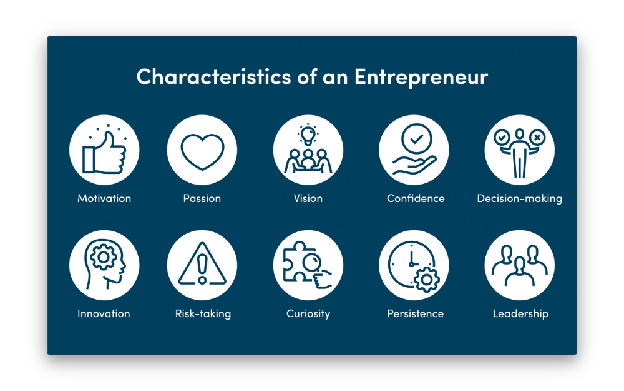


Source link

February 24, 2025 0 comment
0 FacebookTwitterPinterestEmail
Uncategorized

A Comprehensive Guide for Freelancers

by admin February 24, 2025
written by admin


The landscape of work has undergone a seismic shift. What was once considered an unconventional career choice has become a thriving professional pathway, with the United States alone home to 64 million freelancers. This surge in independent workers represents more than just a change in employment statistics—it reflects a fundamental transformation in how we approach work, life, and the delicate balance between them.

Yet with this freedom comes vulnerability. Unlike their traditionally employed counterparts, freelancers navigate a world without conventional safety nets. When an accident strikes, the implications ripple far beyond physical recovery, touching every aspect of their professional and personal lives.

The Hidden Vulnerabilities of Freelance Work

The freelance economy’s rapid growth has exposed a critical gap in our understanding of worker protection. Recent data paints a stark picture: 61 percent of American workers live paycheck to paycheck. For freelancers, who lack traditional benefits like sick leave and disability insurance, an accident can trigger a cascade of financial and professional challenges.

email alerts

Get Weekly Freelance Gigs via Email

Enter your freelancing address and we’ll send you a FREE curated list of freelance jobs in your top category every week.

The statistics are sobering. In 2023, the United States recorded over 946,500 nonfatal injuries) involving days away from work. While these numbers span all employment types, freelancers face unique challenges in managing recovery while maintaining their business operations.

Strategic Recovery: A Holistic Approach

Immediate Response and Work Management

When an accident disrupts your freelance practice, your first priority should be strategic triage of your professional commitments. This means:

  1. Client Communication Protocol
    • Develop a clear, professional message about your situation
    • Provide realistic timelines for project completion
    • Offer alternative solutions or temporary arrangements
  2. Workload Assessment and Prioritization
    • Evaluate each project’s urgency and resource requirements
    • Identify tasks that can be delayed or delegated
    • Create a modified work schedule that accommodates recovery

Legal and Professional Support Systems

Geographic location can significantly impact accident risks and recovery resources. For instance, in St. Louis, where fatal accidents occur at twice the national average, freelancers face heightened risks even during routine commutes to coworking spaces or client meetings.

In such environments, professional support becomes crucial. Consulting a St. Louis personal injury attorney can provide vital guidance on legal rights and compensation options. This professional advocacy ensures freelancers can focus on recovery while protecting their long-term interests.

Technology as a Recovery Partner

The digital age offers powerful tools for maintaining productivity during recovery:

  1. Automation Solutions
    • Project management platforms for workflow optimization
    • Voice recognition software for hands-free work
    • Automated billing and client communication systems
  2. Remote Collaboration Tools
    • Virtual meeting platforms for client interactions
    • Cloud-based project sharing
    • Digital signature and document management systems

Financial Resilience During Recovery

Building a Financial Safety Net

The freelance lifestyle demands proactive financial planning. Consider:

  1. Emergency Fund Development
    • Aim for 6-12 months of living expenses
    • Create separate accounts for business and personal emergencies
    • Establish automatic savings contributions
  2. Insurance Solutions
    • Professional liability insurance
    • Personal disability coverage
    • Health insurance with accident protection

Income Diversification Strategies

Reducing reliance on active income becomes crucial during recovery:

  1. Passive Revenue Streams
    • Digital product development
    • Online course creation
    • Affiliate marketing partnerships
  2. Business Model Adaptation
    • Subscription-based services
    • Productized consulting
    • Strategic partnerships and referral networks

Future-Proofing Your Freelance Practice

Creating a Crisis Management Plan

Learn from your experience to develop a comprehensive contingency strategy:

  1. Emergency Response Protocol
    • Client communication templates
    • Backup resource list
    • Project handoff procedures
  2. Business Continuity Planning
    • Alternative work methods
    • Backup equipment and systems
    • Professional network support structure

Moving Forward with Resilience

The journey of balancing freelance work with accident recovery is complex, but manageable with the right approach. As noted by TorHoerman Law, understanding your rights regarding personal injury claims and compensation is crucial. However, the true key to success lies in building a resilient freelance practice that can weather unexpected challenges.

Your recovery journey is unique, and your approach to work-life balance should reflect this. By implementing these strategies while prioritizing your health, you create a foundation for sustainable success in your freelance career.

Remember: your greatest asset as a freelancer is not just your skill set—it’s your ability to adapt, recover, and emerge stronger from life’s unexpected challenges. Take the time you need to heal, implement these strategies at your own pace, and know that with proper planning and support, your freelance career can not only survive but thrive after an accident.

Advertisement:

SponsoredBecome a sponsor

Keep the conversation going…

Over 10,000 of us are having daily conversations over in our free Facebook group and we’d love to see you there. Join us!


Source link

February 24, 2025 0 comment
0 FacebookTwitterPinterestEmail
Uncategorized

How to Find the Best Co-Working Spaces in Your New City

by admin February 24, 2025
written by admin


Starting fresh in a new city can be both exciting and overwhelming. One of the first things many professionals look for is a productive space to work. Co-working spaces have become an excellent solution for remote workers, freelancers, and small business owners. They provide not only a desk but also a community of like-minded individuals. However, choosing the right one can make all the difference in your work experience. To help you out, we created a clear, straightforward guide to help you find the best co-working spaces in your new city.

Determine Your Work Needs

Before diving into the search for the best co-working spaces, take some time to think about your specific work needs. This is especially important if you’re currently or you plan on transitioning to freelancing from full-time employment.

Start by asking yourself a few key questions: Do you need a private office, or are you comfortable with a shared desk? What kind of equipment will you require, such as printers, meeting rooms, or high-speed internet? Consider whether you need 24/7 access or if you’ll be fine with the standard business hours. If networking and community events are important to you, make sure to factor that in as well. A clear understanding of your needs will help you narrow down the choices and save time in the long run.

email alerts

Get Weekly Freelance Gigs via Email

Enter your freelancing address and we’ll send you a FREE curated list of freelance jobs in your top category every week.

Research Online Reviews

Once you have a general idea of what you’re looking for, start your search online. Use platforms like Google Maps, Yelp, or co-working-specific sites to read reviews from other users and find the best co-working spaces in your new city. These reviews will provide insights into the space’s quality, the services offered, and the overall experience.

Pay attention to any recurring themes in the feedback, whether positive or negative. For example, if many reviews mention poor Wi-Fi or a lack of parking, it’s a good idea to consider that as you explore other options.

Visit Space Directories

There are several online directories dedicated to co-working spaces that can help you find options in your area. Websites like Coworker, Regus, or WeWork offer comprehensive listings in all the top cities for remote work, like Miami and Fort Lauderdale. You can use these websites to learn details about pricing, amenities, and locations.

These directories allow you to filter your search based on your specific needs, such as price range, location, and available services. Many directories also provide photos, giving you a visual sense of the space before you even step inside. Look for clean, well-lit areas with comfortable furniture that can significantly improve your overall comfort and productivity.

Check the Location

Location is a crucial factor when selecting a co-working space. Ideally, you want a space that is easily accessible, either close to your home or well-connected to public transportation. A long commute can take a toll on your time and energy, so it’s worth testing the commute during peak hours before making a final decision.

In addition to the proximity, check if there are cafes, gyms, restaurants, or parks nearby. These can be great places to unwind during breaks or informal networking opportunities with fellow members.

When searching for co-working spaces in your new city, distance from your accommodation can play a significant role. Efficient transitions not only apply to workspace setup but also in how you move items locally. Consider engaging pod moving services, which offer flexible options post-arrival to ease this transition.

Tour the Spaces

Once you’ve narrowed down your options, the next step is to visit the spaces in person. Touring a co-working space lets you see firsthand what it’s like to work there. During the tour, pay attention to factors like noise levels, lighting, and seating arrangements. Is the space quiet enough for focused work on multiple projects, or is there a lot of background noise? Are the workstations comfortable for long hours? Check the temperature control to make sure it’s neither too hot nor too cold. Take note of the cleanliness of the space, including common areas and restrooms. Lastly, evaluate how the staff interacts with visitors; a friendly and helpful team can make a big difference in your experience.

One of the greatest benefits of co-working spaces is the opportunity to connect with others. When visiting potential spaces, observe the atmosphere. Is it collaborative and community-focused, or do people mostly keep to themselves? If you’re feeling lonely in a new city and feel that building connections is important to you, choose a space that fosters an open and friendly environment.

Advertisement:

SponsoredBecome a sponsor

Some co-working spaces host events, workshops, and networking sessions, which can be great opportunities to meet people in your field. The sense of community and the types of professionals working there should align with your goals.

Compare Costs

Co-working spaces come in various price ranges, so it’s important to compare costs based on what you will actually use. Most spaces offer flexible membership options, such as day passes, monthly memberships, or annual contracts. Look at the different pricing tiers and assess what makes the most sense for your work habits and budget.

Keep in mind that some spaces charge extra for meeting rooms, printing services, or access after hours, so make sure you understand the full cost structure before committing.

Test the Internet Speed

Reliable and fast internet is essential for getting work done in a co-working space. When you visit a space, ask for the Wi-Fi password and test the connection on your device. Use a free speed test tool to check the download and upload speeds. Make sure the connection is stable and meets your needs for video calls, large file downloads, and other tasks that require high-speed internet. You don’t want to end up in a space where the Wi-Fi is unreliable, which can seriously hinder your productivity.

Trust Your Gut

Finally, trust your instincts. If a space feels welcoming, organized, and comfortable, it’s likely a good fit. On the other hand, if something feels off—the staff, the environment, or the amenities—don’t hesitate to keep looking. The right co-working space should make you feel motivated, comfortable, and supported in your work.

Final Thoughts

It takes effort to find the best co-working spaces in your new city, but it’s totally worth it. A good space can improve productivity, help you meet new people, and make your workday more enjoyable. By following the steps we’ve outlined for you, you’ll be able to choose a co-working space that supports your professional goals and fits your lifestyle. Happy working!


Meta:
Are you a freelancer who recently moved to a new city? Follow our guide to find the best co-working spaces in your new city.


Keyword:
co-working spaces in your new city


Advertisement:

SponsoredBecome a sponsor

Photos used: https://www.pexels.com/photo/man-in-white-dress-shirt-using-macbook-pro-7256419/


Advertisement:

SponsoredBecome a sponsor

Keep the conversation going…

Over 10,000 of us are having daily conversations over in our free Facebook group and we’d love to see you there. Join us!


Source link

February 24, 2025 0 comment
0 FacebookTwitterPinterestEmail
Uncategorized

15 Passive Income Apps to Make Money on Autopilot

by admin February 24, 2025
written by admin


For many people, no matter their age or situation, being able to earn passively is the ultimate fantasy. Using passive income apps is one of the best ways to make some extra cash for yourself or to invest in your own business. There are even people who opt in to invest in the stock market. Stock market is a very volatile market and you need to have the proper knowledge to know how to invest properly, however, if ever you push through on investing in the stock market you should have the right knowledge of how to buy stocks, what stocks to buy, and even the fundamentals of investing in stocks.

Do you imagine earning money even when you’re asleep or on holiday? Not only does passive income boost your 9-to-5 earnings, it can also help you worry less about your finances. Some people even survived being laid off from their day jobs with their earnings from passive income apps.

Whether you use your desktop, laptop, or smartphone, you can easily use passive income apps. The upfront cost is small to non-existent. Most of the time, all you need to do is to download an app, spend a few minutes on it each day, and watch the cash trickle into your bank account.

email alerts

Get Weekly Freelance Gigs via Email

Enter your freelancing address and we’ll send you a FREE curated list of freelance jobs in your top category every week.

14 Passive income apps to check out

Passive income is a kind of side hustle that doesn’t require much effort. The app does a lot of the work for you using different features, allowing you to concentrate on other things while earning a bit of money on the side.

We’ve checked out a few passive income apps that pay you to shop, invest, browse the internet, provide your feedback, play games, watch videos, pay your bills, and rent out your things in exchange for small amounts of cash or points. When you let your earnings accumulate, you’ll end up with a pretty substantial amount.

Let’s explore these apps in more detail.

1. Google Opinion Rewards

passive income appspassive income apps

Google Opinion Rewards is an app developed by Google that is focused on rewards. It was initially released as a mobile survey app created by Google for Android and iOS. The app enables users to respond to surveys and to win rewards.

The Google Opinion Rewards app lets you answer surveys in exchange for Play credit for Android users and PayPal money for iOS users. What’s cool about this passive income app is that you’re sent surveys based on your location and the places you visit, the apps you’re using, videos you’re watching, or the questions you ask Google Assistant.

Since the app asks you about the things you do daily, you can make a little extra money by sharing your opinions about these things with Google.

It’s easy to get started with Google Opinion Rewards. You just need to download the app on your smartphone then answer simple questions about yourself.

The app will then send you a survey once or twice a week. When a short and appropriate survey is ready for you, you’ll receive a notification on your phone. One click is all it takes to start earning money by sharing your opinions.

2. Survey Junkie

Survey Junkie is a forum for online surveys that pays users for their thoughts on different topics. Each completed survey is worth a certain number of points that may be exchanged for money or gift cards. Survey Junkie has over 10 million members, and anyone who wants to earn extra money can take their available surveys.

Marketers and retailers use market research panels such as Survey Junkie to reach out to potential customers and discover their needs and preferences. In return, these marketers pay survey subjects for their valuable input.

Survey Monkey offers short, easy surveys from many well-known brands. A typical survey takes just a few minutes to finish. You can use it while you’re waiting in line at the bank, on the commute home from work, or when you have nothing else to do.

3. BigCash

BigCash is a rewards platform that lets users earn money through various activities including playing games, completing surveys, and trying new apps. The app uses a coin-based system where 250 coins equal $1, with opportunities ranging from simple game-playing tasks to higher-value offers up to $170.

The platform offers multiple payout options including PayPal transfers and gift cards. With its low cashout threshold and high payout rate, BigCash has paid out over $20 million to users since 2015. The app also features a generous referral program that offers 20% lifetime commission on referral earnings, making it an attractive option for those looking to maximize their passive income potential.

Advertisement:

SponsoredBecome a sponsor

4. Instacart

passive income apps- instacartpassive income apps- instacart

Instacart is a well-known fast and reliable grocery delivery app.

More and more people these days want to buy their groceries online and have them delivered to their homes. Instacart lets them do so quickly and easily.

When you sign up for Instacart, you can make extra income in your spare time. It operates similarly to Uber Eats, but for grocery items. You can deliver groceries to customers in your area while you’re out running your own errands.

In other words, Instacart pays you to help people with their grocery shopping and delivery. You can set your availability time each day and set aside that time for earning extra money quickly.

5. Swagbucks

passive income appspassive income apps

Swagbucks is one of the most popular mobile apps available for generating passive income. You can enter this rewards site free of charge, and it takes only a few minutes to set up your account.

Advertisement:

SponsoredBecome a sponsor

It pays you to answer short surveys, watch fun videos, play games, search the internet, shop online, and more from your phone. In addition, you can also win rewards and gift cards for stores such as Amazon, Target, and Walmart.

6. Fundrise

passive income apps- fundrisepassive income apps- fundrise

Fundrise is an online business that allows small investors to buy private commercial and residential properties by pooling their assets into a shared investment platform.

The key products of Fundrise are real estate investment trusts, or REITs, which typically invest in real estate that generates profits, either through the purchase and management of buildings or through the holding of mortgages.

Fundrise also provides eFunds, in which the pooled money of investors is used to acquire property and build housing, then sell it to home buyers.

Advertisement:

SponsoredBecome a sponsor

The real estate market is thriving even in the middle of a pandemic, and property sales/rentals is one of the best ways of generating passive income.

You can invest in either of the real estate investment trusts that Fundrise offers for as little as $500. The first investment product is the eREIT, which generates revenues quite quickly, and the other is the eFund, which sets you up for longer-term success. If you’re new to real estate investments, Fundrise is a great way to start your passive income journey.

7. Ibotta

passive income apps- ibottapassive income apps- ibotta

Ibotta is more than just a cash back app. It also allows you to make passive income in various ways.

The most popular choice among Ibotta users is connecting their store’s loyalty programs to the app. Doing this will allow you to redeem deals automatically. You can link up to more than 100 stores to the app, including well-known supermarket chains. You can also upload receipts to the app to receive cashbacks or to pay for in-store orders.

Signing up for Ibotta is free, and once your account size hits $20, they pay it out via PayPal or Venmo. You can choose between cash payouts or store gift cards. You can also earn extra cash when you invite new users to join Ibotta. Currently, you will make $10 with every person you refer. When your referral signs up for Ibotta, you get paid. Easy as pie!

8. Nielsen Mobile Panel

passive income appspassive income apps

Nielsen is a giant in the market research industry. They operate in 25 countries, where they team up with some of the largest businesses who depend on their market data to make crucial corporate decisions.

The Nielsen Mobile Panel functions like other passive income applications, gathering data on how you use the background’s internet and cell networks. When you install it on your mobile or desktop device, it monitors your internet use, the sites you visit, and the type of content you consume. In return, you get rewarded.

Users will receive up to $50/year, and if you install it on three devices – phone, tablet, and computer – you get up to $150 per year. You’ll also get automatic sweepstakes entries where you can win up to $1,000 every month. It also rewards you with points that can be exchanged for gift cards to retailers such as Amazon, Starbucks, and Target.

9. Drop

passive income apps- droppassive income apps- drop

Drop is a free-to-join app that lets you receive cash rewards from your favorite places and stores for shopping. You can benefit from any purchase you make with the app, starting from your early morning coffee up to your late-night food order.

Unlike other rewards programs, Drop doesn’t offer a points system. Instead, you collect cash as you make purchases. You can then cash out with a bank transfer using PayPal or directly to your self-employed bank account. You can also connect your credit cards so that you’ll win cash every time you make a qualified purchase.

Aside from cashing out, you can redeem your earnings in exchange for gift cards starting at $5. Drop also pays you $5 for every friend that you refer.

10. Sweatcoin

passive income apps- sweatcoinpassive income apps- sweatcoin

The health benefits and feeling of accomplishment are enough reward for working out. However, Sweatcoin gives you even more reasons for exercising. It actually pays you for going out and being active.

The app allows you to turn your steps into points. It tracks the number of steps you take throughout the day. For every 1,200 steps you take, you earn approximately 1 Sweatcoin. That number of steps might not seem like much, but an average person actually takes 7,500 steps daily. As you walk more, you earn more Sweatcoins.

Once you get enough Sweatcoins, you can redeem them for ebooks from Audible, a free subscription to the Calm app, and even money in your Twine savings account. While previous versions of Sweatcoin allowed users to withdraw their earnings through PayPal, the app now focuses on partner deals.

11. Upvoice

passive income apps- upvoicepassive income apps- upvoice

UpVoice helps you make money by using your computer as you normally would. The app is a study panel that allows users to earn cash just for web surfing. UpVoice pays for the collection of business data, such as your social feeds and the advertisements you see.

By being a panel member, you can earn at least $75 worth of gift cards a year. You can also earn up to 70 UpVoice tokens worth $1.12 weekly, which is equivalent to just over $58 for an entire year. A number of popular retailers, such as Amazon, Sephora, Target, and Starbucks, will gladly accept your tokens for gift cards.

12. Rakuten

passive income apps- rakutenpassive income apps- rakuten

Formerly known as Ebates, Rakuten is probably one of the most popular apps that offer users shopping rewards. It gives you an opportunity to interact with a myriad of online businesses that will pay you cash back rewards, mainly when you shop.

First, the rewards collected go to Rakuten, from which they are then distributed to the different users. Even your weekly trip to the supermarket is going to win you some Rakuten rewards.

The app is an excellent source of cashback awards. Visit your favorite store via the app and make your purchase after signing up and installing the app. Earnings will be credited to your account automatically.

You can redeem Rakuten payments through PayPal or by checking in the mail. You can receive a $10 reward in the United States or $5 in Canada when you enter and make your first $25 order.

13. Acorns

passive income apps- acornspassive income apps- acorns

Acorns is a micro-investment application that uses low-cost Exchange-Traded Funds (ETFs) where you can invest minimal amounts.

In order to suit your investment goals and risk tolerance, the app designs your portfolio, and everything is done automatically. There is no minimum account to get started. In addition to investing your money, Acorns also offers more than 350 famous brands with a savings account and opportunities to get cashbacks from purchases.

By investing your spare change, you’re not going to get big returns right away. However, it’s still a pretty nice way to start investing, even if you feel you don’t have a lot of money for it.

When you sign up, Acorns asks you questions about your age, salary, and financial goals so that they can recommend you the best investment portfolio. They have over four million members, many of whom have made tidy sums of money through the years.

14. SavvyConnect

passive income apps

SavvyConnect is another data collection software that analyzes customers’ borrowing patterns to assess online shopping trends, entertainment, internet surfing, and more.

This passive income app helps you make money through completing surveys and referring it to your friends. However, you can earn even more when you install the SavvyConnect on your laptop or mobile device.

For laptops, you can download it as a browser plugin, while it is also available for iOS and Android devices. You’ll make around $5 monthly for each device, so installing it on multiple devices will maximize your earnings. You may also refer your friends to earn more.

15. Fiverr

passive income apps- fiverrpassive income apps- fiverr

Fiverr is an online freelance services marketplace. The business provides freelancers with a venue where they can provide services to clients worldwide.

There are hundreds of freelancer websites in the market, but Fiverr operates differently. Instead of looking for projects posted by clients and bidding on them, Fiverr allows you to create product or service “gigs”. Customers must then come to your gigs to transact with you.

It’s a lot like performing with a band, and not surprisingly, Fiverr is the go-to place for creatives such as musicians and artists as well as people who just want to make small amounts of money by doing easy, repetitive tasks.

Aside from giving you a venue for your talent, Fiverr also allows you to offer services to clients at a fixed standard price. When customers find your services, they hire you. Once you complete the job, you get paid.


How to use passive income apps to earn money

There are a few different categories of passive income apps that have been included in this post:

  • Apps for data collection: get paid for sharing your information with marketing firms.
  • Cashback apps: instantly gain cashback while shopping at different shops.
  • Apps for video rewards & lock screen: get paid to watch videos and advertisements.

There are several ways to earn extra cash using your phone, and some of the best passive money-making opportunities available are provided by the apps listed above. Some of them have browser extensions as well, which makes them easier to install and use.

Open your preferred browser, create a new Gmail account specifically for your passive income activities, and add the appropriate extensions to your browser if applicable. The browser will ask for your permission, and all you have to do is approve it.

Wrapping up

“Passive income” is no longer the exclusive territory of those who have large real estate holdings or massive trust funds. Earning passive income has become a lot easier and more convenient now that there are so many apps available.

These apps range from those that collect your internet usage data to others that allow you to answer survey questions. You may also get paid for working out! Almost everything is monetizable now, and these apps will help you make money even when you’re walking around the house or watching videos on Facebook.

Sign up and try out a few passive income apps and stick with the ones that work for you.

Keep the conversation going…

Over 10,000 of us are having daily conversations over in our free Facebook group and we’d love to see you there. Join us!



Source link

February 24, 2025 0 comment
0 FacebookTwitterPinterestEmail
Newer Posts
Older Posts

Recent Posts

  • The 6 Best App Builders That Turn Ideas Into Apps
  • The ‘Nice Freelancer’ Trap and How It’s Costing You Money
  • How to Start Small and Win Big
  • The Freelancer’s Guide to Boosting Productivity with All-in-One Project Management
  • How Freelancers Use Advanced Finance Skills to Build Stronger Businesses

Recent Comments

No comments to show.

About Me

About Me

Vintage Lover

Sed ut perspiciatis unde omnis iste natus error sit voluptatem accusantium doloremque laudantium, totam rem aperiam, eaque ipsa quae.

Keep in touch

Facebook Twitter Instagram Pinterest Bloglovin Rss

Photography

  • The 6 Best App Builders That Turn Ideas Into Apps

    January 27, 2026
  • The ‘Nice Freelancer’ Trap and How It’s Costing You Money

    January 27, 2026
  • How to Start Small and Win Big

    January 23, 2026
  • The Freelancer’s Guide to Boosting Productivity with All-in-One Project Management

    January 23, 2026
  • How Freelancers Use Advanced Finance Skills to Build Stronger Businesses

    January 22, 2026

On Instagram

No images found!

Try some other hashtag or username

Recent Posts

  • The 6 Best App Builders That Turn Ideas Into Apps

    January 27, 2026
  • The ‘Nice Freelancer’ Trap and How It’s Costing You Money

    January 27, 2026
  • How to Start Small and Win Big

    January 23, 2026
  • The Freelancer’s Guide to Boosting Productivity with All-in-One Project Management

    January 23, 2026
  • How Freelancers Use Advanced Finance Skills to Build Stronger Businesses

    January 22, 2026

Categories

  • Memories (7)
  • On The Road (6)
  • Photography (7)
  • Uncategorized (136)
No images found!

Try some other hashtag or username

Subscribe Newsletter

Subscribe my Newsletter for new blog posts, tips & new photos. Let's stay updated!

  • Facebook
  • Twitter
  • Instagram
  • Pinterest
  • Bloglovin

@2021 - All Right Reserved. Designed and Developed by PenciDesign


Back To Top
My Blog
  • Home
  • About Me
  • Cart
  • Checkout
  • Shop
  • Contact

Shopping Cart

Close

No products in the cart.

Close