My Blog
vintage & retro style
  • Home
  • About Me
  • Cart
  • Checkout
  • Shop
  • Contact
  • 0
Author

admin

admin

Uncategorized

Underrated Platforms to Find High-Paying Clients in 2025

by admin May 12, 2025
written by admin


Many freelancers are redirecting their search for Underrated Platforms to Find High-Paying Clients in 2025 to lesser-known platforms to access superior opportunities and better compensation rates in 2025.

The digital economy provides professional freelancers with more than supplementary work, representing a stable career trajectory. Since multiple platforms serve various markets and skill levels, you need to understand which suits your needs.

The article surveys underrated platforms to find high-paying clients in 2025 that can provide profitable career opportunities through their features and benefits.

👋 Psst…Have you seen the all-new Feedcoyote yet? They’ve got a new look, more freelance opportunities, and the best collaboration tool for freelancers! Join over 100,000 fellow freelancers who network, find clients, and grow their business with Feedcoyote. Join for Free »

Why Underrated Platforms to Find High-Paying Clients in 2025 Are a Game Changer?

The struggle for freelance projects on popular platforms like Upwork and Fiverr peaked in 2025. Numerous experienced experts fight for each requested assignment because they must submit lower bids or compromise their worth to survive in this market.

Using underrated platforms to find high-paying clients in 2025 will be a transformative business move for service providers because it will enable them to grow their revenues beyond their work capacity sustainably.

Less Competition, More Quality Clients

The well-known platforms receive the majority of freelancer concentration, which allows your competitors to ignore alternative, less-known platforms. Due to reduced competition in this space, the market situation offers a valuable prospect to both clients and providers who can see each other. Users of less popular platforms demonstrate specific requirements when seeking an expert because they prioritize selection quality over minimal cost concerns.

Higher Rates and Long-Term Projects

On platforms that receive less attention, your chances of finding clients seeking specialized skills and who are willing to provide reasonable compensation rates are higher. The emphasis is on finding enduring professional relationships that result in continuous work streams to secure dependable sources of revenue.

Better Client Communication

Small freelancer platforms offer enhanced personal connections and simplified communication between users. The system does not force you to work with algorithmic proposals or automated filtering methods. The direct contact with decision-makers enables a more effective presentation of value to potential clients.

More Room to Build a Reputation

Organizations can more easily stand out in situations where competition remains minimal. Unpopular business platforms enable quick achievement of top-rank status, which helps gain testimonials quickly and attracts prosperous clients who select providers based on experience instead of cost.

Top Underrated Platforms to Find High-Paying Clients in 2025

1. Arc

Arc provides a platform that matches remote developers, designers, and marketers with each other and distinguishes startups from major tech companies. Arc provides specified support services and an extensive screening system, enabling you to excel at finding premium job opportunities.

Pros:

  • The company has matched workers to quality positions through its 4.2 K+ successful placements.
  • A significant amount of profit is generated by Arc freelancers who have earned $ 45 M+
  • The platform features premium freelance and remote job offers from leading corporations.
  • You will receive customized one-to-one assistance during your entire job search journey.
  • HireAI provides AI-based matching services that help you find meaningful job prospects.

Cons:

  • Developer-centric initially, it now supports wider professional roles, but some career sectors offer restricted opportunities.
  • The platform primarily caters to remote jobs, which limits on-site job availability.

Unique features:

  • The platform shows work opportunities that match your qualifications while allowing direct communication with employers.
  • Global companies will pay above the standard rates to professionals who resolve complex problems.
  • Your communication skills and expertise undergo evaluation, which produces benefits for companies that help you gain superiority during the selection process.
  • Everyone using Arc to search for a job can access personal support from the talent partners, who assist with job search strategies, negotiations, and interview preparation.

What freelancers are saying:

The interface at Arc facilitated my search for remote positions since it quickly connected me to recruiting personnel. Daniel Kakutani, Senior software program Engineer @ Nasc technologies

Fortune smiles on individuals who use this platform as they obtain a price greater than most other platforms offer: Eduardo S. Irangelo, Senior Software Program Architect at Carebook Technology Inc.

Arc is the secret weapon for top freelancers—it’s AI matches you with premium clients, avoids low-ball gigs, and delivers high-paying opportunities through clever positioning and 1:1 coaching. Optimize your profile, target startups, and start earning what you’re worth. said Amra Beganovich, CEO & Founder at Best Colorful Socks

Begin your freelance career on Arc.

Advertisement:Advertisement:

SponsoredBecome a sponsor

The platform provides exclusive opportunities for you to secure your next project. The Arc platform offers exclusive job opportunities in development, design, marketing, and other technical roles, accompanied by dedicated assistance to help you reach your goals.

2. Upwork

Upwork provides portfolio setup capabilities and remote job application services. Your gig application requires Connects, which is part of Upwork’s proposal payment system.

Pros:

  • Flexible short-term and long-term projects
  • Users can select between projects billed at an hourly rate or a fixed price.

Cons:

  • 10% service fee and an immediate connection rate for direct offers
  • brutal competition due to the vast number of freelancers
  • Freelancers must purchase additional Connects beyond their monthly 10 Connects since every job on Upwork demands multiple Connects.

Unique features:

  • Freelancers can use the Work Diary to log their hourly job time for billing purposes.
  • Upwork Chat Pro employs artificial intelligence to enhance freelancers’ ability to communicate with their clients.

What freelancers are saying:

Advertisement: Advertisement:

SponsoredBecome a sponsor

Without Upwork, I would not have pursued freelance work because the platform simplified my entry into the market. The availability of Upwork made it possible for both my wife and me to relocate out of Serbia. — Mateja M., Designer

3. Toptal

Through Toptal, users obtain access to businesses operating in multiple fields. Your chances for finding projects become restricted because Toptal accepts only experienced professionals after its demanding assessment, but the rigorous process provides a strong competitive advantage.

Pros:

  • Access to high-quality projects
  • Opportunity for long-term relationships with clients

Cons:

  • Limited flexibility due to long-term projects
  • Strong screening protocols make securing acceptance challenging.
  • High competition from elite professionals on the platform

Unique Features:

  • Your aim should be to develop reliable connections with a client base
  • Working on high-stakes projects for trusted clients establishes your reputation as a professional freelancer.

What freelancers are saying:

“Professional work at Toptal has accelerated my career path. The years and several months I have spent within the Toptal community enable me to handle any project in any programming language. When you work at Toptal, you gain everything needed to address any professional difficulty, from technical to non-technical situations,” said Erik Wright, CEO at New Horizon Home Buyers.

Advertisement:Advertisement:

SponsoredBecome a sponsor

“As an influencer marketing freelancer on Toptal, I’ve landed premium campaigns with Fortune 500 brands that pay 3- 5x standard rates – one skincare campaign paid $15k for just 3 Instagram posts. The platform’s rigorous vetting means clients trust you immediately as a proven expert, not just another creator begging for collabs. I specialize in nano-influencer strategy (under 10k followers), which is in crazy demand since brands realized these creators drive 8x higher engagement. The long-term contracts are game-changing – I’m currently managing a 6-month organic growth strategy for a luxury watch brand instead of chasing one-off sponsored posts, “ said Inigo Rivero, Managing Director of House Of Marketers

4. Fiverr

Fiverr functions as a freelancing marketplace that lets users design their gigs. Users search for services through the platform, which drives them to contact you before they can search for projects on their own.

Pros:

  • The platform features a user-friendly structure and a structured job offering system.
  • Users gain the freedom to develop and sell personalized bundles with additional services.
  • You gain complete independence when determining your project costs and delivering short and small tasks.

Cons:

  • A 20% service fee reduces overall earnings
  • Prioritizing cheap rates often results in reduced payment levels.
  • Professional freelancers take over the majority of the results listed by search engines.

Unique features:

  • The site uses performance ratings and client feedback to determine Freelancer levels
  • The platform operates under a quick transaction system that enables rapid delivery of services.
  • People who want to tackle well-outlined assignments should consider this platform a choice.

5. Designhill

Designhill offers three service modes: contests, one-on-one freelance projects, and custom services. This platform also includes PrintShop, where you can market your artwork.

Pros:

  • Contests provide users with access to various design concepts at once.
  • Specialized freelance platform reduces competition
  • Designhill provides freelancers the chance to network with their designer peers.

Cons:

  • The designers will receive payment solely when their design entry secures first place within the contest.
  • Design contest participation leads to chances of executing unpaid work.

Unique Features:

  • Most projects via the website require designers to submit contest entries so they can participate in various creative opportunities.
  • Creatives can select the crowdsourced models or work on projects they receive directly from clients.

What freelancers are saying:

“The platform enables me to select the logo and design projects I wish to pursue while it fosters creativity in my work,” said Luca Dal Zotto, the founder of Convert Bank Statement.

6. We Work Remotely

As a specialized platform, We Work Remotely focuses exclusively on remote positions available to professionals. Users can explore online listings freely with the option to submit applications for free, ensuring everyone can access remote positions easily.

Pros:

  • High-quality list of remote job offers
  • Simple and easy-to-use platform

Cons:

  • No automatic matching for job seekers
  • There are no tools on the platform for freelancers to establish their specific work conditions before starting a project.

Unique features:

  • Direct job listings from employers without middlemen

7. Behance

Behance provides one-stop access to display your work as you build professional connections in a marketplace that offers job opportunities directly to its members. The analytics dashboard reveals which viewers check out your portfolio, enabling you to modify it for your target audience.

Pros:

  • Broad reach and integration with Adobe’s creative tools
  • Behance is an outstanding platform enabling users to develop their professional identity while displaying their creative work.
  • Users benefit from a community focus, which offers both the chance to obtain feedback and collaborate.

Cons:

The level of competition becomes challenging for achieving visibility among other users.
The sign of successful freelancing on Behance involves frequent contributions of fresh work so you stay noticeable to viewers.

From my experience building creative teams, I’ve seen Behance become a double-edged sword – it’s great for visibility but terrible for actual business growth. They don’t tell you that I wasted months posting my best work only to realize that 98% of the views came from other designers, not potential clients. The few job offers I did get through Behance paid 30-50% below my standard rates, and I watched in frustration as my most innovative concepts got ignored while safer, trendier work got featured. Now I use Behance strictly as a portfolio showcase while finding real clients through targeted outreach and my professional network – the difference in quality opportunities is night and day. – Daniel Lewis, CEO of LegalOn

Unique features:

  • Users benefit from the built-in features that help them locate their projects more easily.
  • The platform enables direct communication between you and interested clients worldwide.

What freelancers are saying:

Behance presents a professional platform for showing my portfolio, which is its main advantage. Behance provides top-notch creative work in different industries to help me acquire inspiration for my projects. — Siddhant P., UI/UX Designer

8. SimplyHired

SimplyHired is a job search platform that consolidates job vacancies from company websites, professional boards, and staffing agency websites for all major work sectors, including freelance opportunities. Its tool, which displays average pay rates for defined jobs across specific locations, makes it easier to stay fair in salary negotiations.

Pros:

  • Aggregates many job listings in one place
  • A simple user experience connects to a wide range of work categories.

Cons:

  • The application process directs users through third-party websites.
  • No personalized job-matching feature

Unique features:

  • This platform provides an extensive listing of jobs, which functions as the primary portal for employment search needs
  • This job site works efficiently for both individuals doing freelance work and contract-based employees.

What freelancers are saying:

“Awesome site. Finding my current employment at this location turned out to be effortless. Others should consider this recommendation. — John P., Remote worker

9. Dribbble

Through Dribbble, designers specializing in UI/UX, graphic art, and illustration can find a platform to work on. This platform functions as a portfolio site and a job board since it allows you to connect with clients and employers.

Pros:

  • Specialized for design professionals
  • Members of the community can connect through combined feedback and engagement features
  • Focused audience of design professionals and businesses

Cons:

  • All job search features on the platform require spending money on premium subscription plans.
  • The professional field demands excellence from designers since finding success requires exceptional portfolio work.

Unique features:

  • You gain access to specialized networking possibilities with professionals from the design field.

What freelancers are saying:

According to designer Nayem Nawaf, Dribbble provides creative design ideas essential for his graphic design projects. This platform allows me to create my portfolio with daily design work. — Nayem Nawaf, Designer

10. PeoplePerHour

Through PeoplePerHour, you can access businesses that require temporary assistance from digital marketers, designers, and web developers. PeoplePerHour allows you to submit 15 proposals without charge, but additional proposals require credit purchases.

Pros:

  • Flexible payment options adapt to your professional work schedule
  • Secure payments through the platform’s escrow system
  • An ”Hourlies” system enables users to complete pre-made tasks quickly.

Cons:

  • High service fee (up to 20%)
  • Steep competition for projects

Unique features:

  • The platform provides a built-in project stream that facilitates teamwork and payment monitoring.
  • diverse process classes for each new and skilled freelancer

What freelancers are saying:

The primary appealing aspects of using this platform include simple client communication, automated invoicing capabilities, and the escrow payment protection system. The platform presents a straightforward user interface that guides users through all job-finding and work-selling opportunities. The payment process is quick because funds are transferred to my PayPal account after completing the job. — Adrienne H., Freelancer

PeoplePerHour looked promising at first, but after six months, I realized I was paying to compete for scraps – between the 20% platform fees and clients expecting $150 logos, I was working twice as hard for half my normal pay. The final straw came when I won a project after spending credits on proposals, only to have the client disappear with my unpaid work while PPH did nothing. Now I only take direct clients through referrals and earn 3x more without the bidding wars and fees. My advice? Don’t let platforms profit from your desperation – your skills deserve better than fighting over undervalued gigs. — Andrei Vasilescu, the Co-Founder & CEO of DontPayFull

11. Guru

Guru gives developers, designers, and administrators a platform to work remotely. Creating a profile lets you display your abilities, post bids at your pricing, and use SafePay to ensure payment security.

Pros:

  • Users obtain safe payment transfers using SafePay features.
  • You hold control over charge mechanisms via flexible charge structures
  • Built-in project management tools

Cons:

  • Tough competition for new freelancers
  • A handling fee of 2.9% on the invoice value

Unique features:

  • Project management tools integrated into the platform improve workflow efficiency.

What freelancers are saying:

Guru offers excellent services to freelancers targeting potential client connections for project work, although it lacks stability as a platform for people seeking ongoing employment engagements. — Sarah Roscoe, Project Manager

12. Freelancer.com

People who use Freelancer.com can explore numerous industrial sectors while receiving payment milestones per completion stage. Users enter the job competition through their bidding proposals submitted on the system.

Pros:

  • A wide range of activity categories and a worldwide client base
  • Milestone payments guarantee secure payment during the entire project period.
  • The contest feature allows for demonstrating skills.

Cons:

  • Up to 15% service fee
  • The intense competition makes it difficult for new users to find work on this platform.

Unique features:

  • Freelancers participate in price-based and expertise-based bidding competitions under the system
  • Through the public clarification board, freelancers can submit queries regarding specific projects.

What freelancers are saying:

The website known as Freelancer.com ranks among the premier platforms that let users gain skill sets and find welcoming professional connections worldwide. My life took a positive turn because of Freelancer.com, thanks to your assistance, and I want to express my deep appreciation. Wish you a long life.” — MD Ahsan Habib, Graphic Designer

13. Wellfound (formerly AngelList Talent)

Wellfound facilitates platform access to technological and startup project opportunities. After creating your profile, you can access quick job application features with one-click functionality, speeding up the hiring process.

Pros:

  • The platform connects users to numerous inventive startup companies.
  • Transparency in income and fairness options in activity listings

Cons:

  • best for tech and creative roles, no longer for non-tech industries
  • The platform selects candidates with extensive work backgrounds, which makes it difficult for new job seekers to enter the market

Unique features:

  • Direct connection with startup founders for quicker hiring
  • One-click job application after profile setup

What freelancers are saying:

Numerous companies made requests for job candidates. The software works perfectly because startups at different growth stages can filter their options through seed round amount, funding levels, and company size. — Helen, Engineering Lead

14. DesignCrowd

Through DesignCrowd, any designer can demonstrate their creative abilities to potential clients. Machine-based design complexity enables you to select between working in design contests or client hires from international territories, thus offering work flexibility.

Pros:

  • Develop your professional body of work through a range of design assignments.
  • Bendy options for quick design contests or direct hires

Cons:

  • Graphic design payment at DesignCrowd only occurs when a designer succeeds in winning their submissions.
  • Whenever a freelancer’s proposed design doesn’t win over a client, they waste time.

Unique features:

  • Through design submission contests, clients obtain multiple choices for their visual creations
  • Global project work from multiple design categories exists

What freelancers are saying:

My work experience at Designcrowd is excellent since I joined the platform as a freelance designer. The support system at the company provides swift and helpful assistance, which creates an efficient and smooth process for users. — M Kareshki, Designer

15. 99designs

The platform 99designs provides its users with freelance branding services, logo design, and web design work. It also gives branding experts and web designers access to contests and direct one-to-one client project hiring options.

Pros:

  • The system enables you to determine your direct hiring payment rates.
  • Opportunities to exhibit your paintings through multiple format submissions

Cons:

  • New clients generate fees comprising a 15% service charge and a $100 introduction fee.
  • Contest participation fees are expensive
  • The system pays you money only when your proposed design wins the contest.

Unique features:

  • The design competition aspect of 99designs enables you to demonstrate your innovative ideas while competing with other independent professionals.
  • Your portfolio needs high-standard professional designs to build an attractive collection that brings in additional clients.

What freelancers are saying:

I receive creative freedom at 99designs for projects I love, which agency work never provided me before. — Bella, Designer

16. Working Not Working

“The exclusive platform Working Not Working enables you to connect with high-profile brands and agencies. It functions specifically for independent professionals working in design and marketing, among others, so that they can connect with international brands.” – Gerrid Smith, Chief Marketing Officer at Joy Organics.

Pros:

  • Members can pursue work assignments from companies like Google, Apple, and Airbnb.
  • Selective platform with high-quality job listings
  • Strong community of experienced creatives

Cons:

  • Difficult entry for newer or less-experienced freelancers
  • General freelancing sites showcase more job openings than this specialized platform.
  • Long wait time for profile approval

Unique features:

  • Community-driven focus on building long-term client relationships

17. Webflow Experts

Webflow Experts provides clients looking for website development assistance on Webflow platform projects. Expert web designers should consider this platform because it primarily connects them to high-quality web development projects.

Pros:

  • Vetted opportunities ensure quality projects
  • The focus on Webflow through this platform gives you a market advantage

Cons:

  • Webflow experts form the only client group since the platform restricts broader development prospects.
  • Smaller pool of available projects due to specialization

Unique features:

  • You can link up with clients who need support for Webflow design projects
  • The platform presents high-quality projects to approved freelance applicants.

What freelancers are saying:

Through Webflow, I have obtained superior clients who allow me to fulfill both the design and development sections. — Joseph Berry, Web Designer

18. YunoJuno

Through YunoJuno, users connect with premium projects from leading business brands that seek experienced developers, designers, marketers, and project managers.

Pros:

  • Higher-end job opportunities from well-known corporate clients exist through the service.
  • Project management tools at YunoJuno consist of contracts and invoicing features.
  • Freelancers, along with their clients, should focus on developing enduring partnerships.

Cons:

  • Strict vetting process for freelancers
  • The platform mainly serves seasoned professionals who encounter limited possibilities for entry-level positions.

Unique features:

  • The platform connects its members with an encouraging group of freelancers
  • Automated timesheets for effortless tracking

What freelancers are saying:

YunoJuno holds the leading position. The platform enables me to meet fantastic clients and work on remarkable brand projects through a user-friendly interface. — Nick Kyriakides, Senior Post-Production Artist

19. Authentic Jobs

Authentic Jobs’ online job board connects professionals with technical and creative positions focusing on development, design, and UX roles. The high-quality job listings on the platform both identify trustworthy opportunities and direct you toward professional assignments.

Pros:

  • Well-known companies, including OpenAI and Uber, offer quality freelance opportunities.
  • The platform offers freedom for design and technological freelancing work opportunities.
  • Trusted platform within creative industries

Cons:

  • The platform caters to experienced professionals yet provides limited opportunities for fresh talent entry.
  • The search for temporary work contracts remains difficult for freelancers in this field.

Unique features:

  • Strong focus on design and UX roles

20. TaskRabbit

Through its platform, TaskRabbit provides local customers access to neighborhood task helpers for their daily responsibilities, including moving services, furniture assembly, and home maintenance needs. The service delivers in-person tasks to clients residing in urban areas.

Pros:

  • Flexible scheduling for freelancers (Taskers)
  • Both freelancers experience simple payment processing capabilities
  • Great for quick, local jobs

Cons:

  • This platform allows only in-person local work without remote capabilities.
  • The service charges introduced by the platform reduce your potential earnings.

Unique features:

  • Your app should prioritize direct in-person services instead of remote capabilities.
  • Complete control over your schedule and service areas

What freelancers are saying:

This venture provides an excellent business experience, so I highly endorse it. Users benefit from flexible working schedules and decent earnings from this part-time job. Set your hours and pay. A verified New York tasker reports that the app offers broad job opportunities.

21. FlexJobs

The FlexJobs platform displays screened work opportunities for people seeking remote roles, flexible positions, and freelance work in multiple sectors. The application assesses job listings manually to ensure you access trusted job opportunities.

Pros:

  • The platform uses rigorous vetting for job openings to ensure all positions are legitimate.
  • Wide variety of industries and flexible job types
  • The platform suits individuals seeking extended job opportunities and adaptive work schedules.

Cons:

  • Only subscribers can view the posted listings
  • The platform contains fewer short-term freelance projects than alternative freelance marketplaces do

Unique features:

  • Remote work opportunities remain the primary emphasis across the platform.
  • Both webinars and coaching sessions help members of the platform.

What freelancers are saying:

Users find FlexJobs simple to navigate because the platform offers multiple practical tools for their job search needs. The purchase of the membership proved valuable since I invested in it correctly. The need to locate another flexible job that allows working from home forced me to join FlexJobs. — Michele H, Online Moderator @ Kaplan

Why You Shouldn’t Ignore These Underrated Platforms in 2025

These unknown platforms function better than backups because they offer exceptional value. Upwork and Fiverr will experience growing competition in 2025, thus creating a more challenging environment for rookies to gain visibility. Using underrated platforms lets you present your skills to serious clients in an environment that has less competing activity.

“The main strength of these platforms lies in their targeted approach to users because most clients seek profiled experts rather than generic providers. When you work with high-paying clients, they value accomplished work above quantity. Such an approach improves your opportunity to secure these valuable clients.” – Ben Flynn, Marketing Manager at 88Vape

Early adoption of emerging platforms enables you to gather clients while building authority within growing industries.

Conclusion

Your decision about underrated platforms to find high-paying clients in 2025 determines your ability to generate income and the range of available clients within the competitive freelance market. Each of these platforms delivers distinctive features that stand apart from the others. Your best path to high-paying clients in 2025 might not lie within mainstream platforms because underrated platforms can generate the most strategic and rewarding results.

Avoid competing for low-paying jobs in saturated markets. In 2025, others will overlook your underrated platforms for finding high-paying clients, so you must switch your strategy to seek these opportunities in hidden places.

FAQs About Underrated Platforms to Find High-Paying Clients in 2025

Q1. Which underrated platforms are worth trying out during 2025?
Contra, along with Worksome, Toptal, Kolabtree, and CloudPeeps, is known as an underrated platform for securing high-paying clients. These platforms experience lower competition, which allows them to attract more clients.

Q2. Can you rely on underutilized platforms for your business operations?
Most lesser-known payment systems include secure transactions and client verification protocols to maintain quality standards. Before joining, every member should inspect the platform rules and evaluate reviews.

Q3. What steps should I take to become visible on alternative platforms?
Professionals should develop specialist-oriented profiles while using the substantial body of work alongside active, proactive pitching initiatives. Personalization matters even more on smaller platforms.

Q4. Do entry-stage users discover customers via those structures?
A: Absolutely. The reduced number of competitors on such platforms creates opportunities for new starters since specialty services tend to grab attention more easily.

Keep the conversation going…

Over 10,000 of us are having daily conversations over in our free Facebook group and we’d love to see you there. Join us!


Source link

May 12, 2025 0 comment
0 FacebookTwitterPinterestEmail
Uncategorized

Why Freelance Creative Should Pay Attention to LTX Studio in 2025

by admin May 8, 2025
written by admin


In 2025, LTX Studio has become a game-changer for creative professionals in a time when artificial intelligence is changing the way we write, design, and tell stories. LTX Studio aims to empower freelancers, small studios, and solo creative to create full-length visual stories from concept to completion without the need for a traditional production team.

This year, LTX Studio might be the most creative tool available to freelancers balancing client projects, original ideas, and limited funds.

About LTX Studio

LTX Studio is a story platform driven by artificial intelligence that enables users to produce whole video narratives, including serial material such as web series or TV shows. You may create characters, manage visual consistency, specify story arcs, and produce scenes with a unified style with LTX Studio, compared to other AI video producers that mostly focus on brief, out-of-context bits. It combines shot design, animation, character development, and scriptwriting onto a single platform.

👋 Psst…Have you seen the all-new Feedcoyote yet? They’ve got a new look, more freelance opportunities, and the best collaboration tool for freelancers! Join over 100,000 fellow freelancers who network, find clients, and grow their business with Feedcoyote. Join for Free »

Imagine it as a generative AI-powered tool that brings together the functions of Final Draft, a concept artist, a director, and an animation studio.

Why It Matters for Freelancers

1. Expandable Creative Independence

A freelancer may be a writer, director, designer, or marketer, among other roles. To get a concept off the ground, LTX Studio removes the need to hire several partners. Are you trying to sell a client on an animated series? Without having to wait on other people’s schedules or spend thousands of dollars, you can now produce a complete pilot episode, or at the very least, a powerful concept with action and images.

This makes publishing more accessible than ever before.

2. High-quality, affordable design

A freelance concept and a top-notch video prototype were very different before LTX Studio. The learning process for programs like After Effects or Blender is high, and it costs a lot to hire someone else to do the animation or editing. You can prototype full video projects using LTX Studio for just a little of the time and expense. This translates into quicker idea validation, customer buy-in, and pitching.

Consider providing a client with a fully animated teaser compared to a simple PDF proposal. That is a huge benefit.

3. A Personal Project Playground

Whether it is a short film, web series, or creative portfolio component, most freelancers want to produce their own creative work. But because of time or money constraints, personal initiatives frequently suffer. With the help of LTX Studio, you can realize such concepts independently. Do you want to try out a science fiction idea? Make a quick movie to post online? It is possible with LTX Studio.

4. Consistent Quality over Time

Inconsistency—characters and settings appear differently in different scenes—is one of the main problems with AI-generated media. This is resolved by LTX Studio, which allows you to “lock in” visual styles and character designs. As a result, you may produce a multi-scene or multi-episode project with visual continuity, which is required for professional pitches, series production, and storytelling for brands.

AI is now producing professional-caliber stories and not just stunning output.

5. Developing Your Skills for the Future

Freelance creative cannot afford to overlook AI in 2025. Customers are demanding more creative narrative, superior graphics, and quicker turnaround times. LTX Studio is not merely a new idea; it is a symbol of the direction that

Creative production is headed. Freelancers now have a competitive advantage should they learn to use it.

Your creativity will be strengthened rather than left obsolete by adjusting to these technologies.

Uses in the Real World for Freelance

Video Editors and Motion Designers: Create animated explainer videos or client advertisements with LTX Studio instead of using standard animation methods.

Authors and Stories: Create animations from your scripts or short stories to pitch or sell your work.

Marketers and content creators: Produce branded material or promotional series for customers in a timely manner while maintaining a consistent tone and style.

Teachers and course developers: Create captivating video content that is suited to your lesson plans and features unique graphics and characters.

Advertisement:Advertisement:

SponsoredBecome a sponsor

Alerts & Considerations

LTX Studio is strong, but it is not an ideal solution. It needs to be used carefully, just like any other tool. Visuals may still require improvement. Your human contribution is required for narrative structure. Additionally, it will take some time to become familiar with its restrictions and interface.

The issue of uniqueness also arises because a lot of AI techniques are built on top of pre-existing visual data. Always double-check client expectations, copyright issues, and licensing while creating content for commercial use.

Final Words

In 2025, LTX Studio offers a change in the way facts can be written and shared for outsiders, not just a technology. It provides a unique combination of little expense and excellent production in the creative industry. LTX Studio should have a place in your creative toolbox whether you are trying to prototype a client idea, presenting a bold new idea, or finally realizing your passion project.

Advertisement: Advertisement:

SponsoredBecome a sponsor

Keep the conversation going…

Over 10,000 of us are having daily conversations over in our free Facebook group and we’d love to see you there. Join us!


Source link

May 8, 2025 0 comment
0 FacebookTwitterPinterestEmail
Uncategorized

The 10 Best Tax Apps for Freelancers

by admin May 8, 2025
written by admin


Freelancing isn’t a niche career path anymore. It’s the new normal. Between 2020 and 2024, the freelance market in the U.S. grew by 90%, and by 2027, the number of freelancers is expected to reach 86.5 million. That’s more than half the country’s total workforce.

With so many people ditching their 9-to-5s, modern freelancers are no longer the stereotypical creatives and contractors. They’re full-fledged businesses. Just like any regular occupation, freelancers must stay on top of responsibilities, like taxes.

Missing a quarterly payment can lead to the IRS coming knocking, slapping penalties and interest on your business.

👋 Psst…Have you seen the all-new Feedcoyote yet? They’ve got a new look, more freelance opportunities, and the best collaboration tool for freelancers! Join over 100,000 fellow freelancers who network, find clients, and grow their business with Feedcoyote. Join for Free »

Even more minor issues, like failing to track your expenses properly, mean you’re leaving money on the table when it’s time to file.

Tax apps make these responsibilities easier to manage. Instead of juggling spreadsheets, trying to remember every deduction, or keeping an accountant on retainer, you get access to purpose-built tools.
Many include features like mileage tracking, estimated tax calculations, and a receipt tracker for taxes that helps keep records organized year-round.

In this guide, we review the top 10 tax apps for freelancers based on features that matter: smart integrations, user experience, support options, and tools designed specifically for independent work.

The 10 Best Tax Apps for Freelancers

Before choosing a tool, think about how you work. Do you need something lightweight that covers the basics, or a more robust system that handles receipts, deductions, and multiple income streams?

Each of the options below is designed with freelancers in mind, but they offer different strengths depending on your workflow and tax requirements.

1. TurboTax Self-Employed

TurboTax Self-Employed is designed specifically for freelancers and independent contractors. The Q\&A-style setup takes you through each step of the tax filing process by prompting you with questions to uncover relevant deductions and handle mixed income types with less guesswork.

If you’re unsure how something works, the platform includes tutorial videos and help articles that explain key tax topics in plain language.

Key Features:

  • Industry-specific deductions: Identifies write-offs unique to various freelance professions, such as design, consulting, or even rideshare driving (Uber or Lyft).


  • QuickBooks Self-Employed integration: Includes a complimentary year of QuickBooks Self-Employed for easy tracking and mileage logging.


  • 1099-NEC and 1099-K snap and autofill: Upload tax forms using your phone’s camera or gallery, which is helpful if you juggle multiple clients and don’t want to spend hours typing in income details.


  • Live expert support: Offers access to tax professionals for real-time assistance and review.


  • Audit assessment: Provides a personalized review of your return to identify potential audit risks.

Best for: New freelancers or anyone just starting out who wants extra guidance and peace of mind when filing.

2. H\&R Block Self-Employment

H\&R Block Self-Employed is a good fit for freelancers who want the flexibility of filing online, but with the option to get real help when they need it. You can work through the return on your own, but if you get stuck, live chat and AI-driven prompts are built in to answer questions as you go.

There’s also the option to hand things off to a tax pro. This is a helpful fallback if things get complicated or you don’t want to deal with tax complexities at all.

Key Features:

  • Live chat and AI Tax Assist: Get real-time answers while you’re filing, without digging through help docs.


  • Mobile upload: Take photos of your 1099s and other tax forms to import them directly into your return.


  • Built-in expense tracking: Lets you tag and organize business expenses throughout the year, so you don’t need to rush during tax season to remember what counts as a write-off.


  • Option to upgrade to a tax pro: If things get messy, you can hand off your return to a professional.

Best for: Freelancers who want to file solo but like knowing expert help is just a click away.

3. TaxSlayer Self-Employed

TaxSlayer Self-Employed is built for freelancers who know what they need to file, like 1099 income, Schedule C expenses, and estimates, and want a tool that helps them do it quickly. It offers guided assistance for all features, so you don’t miss a single deductible claim.

Key Features:

  • Guided 1099 and Schedule C support: Step-by-step assistance for reporting self-employment income and expenses.


  • Access to tax professionals: Unlimited phone, email, and live chat support for tax-related questions.


  • Quarterly tax payment reminders: Sends alerts so you don’t miss IRS deadlines. This is especially useful if you earn from multiple clients and need to plan ahead for payments.


  • Audit assistance: Support from certified tax professionals in case of an IRS audit.

Best for: Freelancers and independent contractors seeking an affordable, no-frills tax solution with essential support features.

4. TaxAct Self-Employed

TaxAct Self-Employed has become a popular app for freelancers because of its simple interface and straightforward filing process. It provides step-by-step guidance through income reporting and deductions. If you want to dig deeper, you can sift through the 300-term tax glossary.

Key Features:

  • Deduction Maximizer: Helps you find industry-specific deductions to reduce taxable income for what you do specifically.


  • Self-Employment Tax Calculator: Estimates how much you’ll owe, so you can plan for quarterly payments and avoid surprises at tax time.


  • Xpert Assist: Provides on-demand access to tax experts for personalized guidance.


  • Real-time refund tracking: Shows how your refund or balance due changes as you add income and deductions, so you always know where you stand.

Best for: Freelancers with straightforward finances, like writers, consultants, or early-stage contractors, who want a simple, affordable filing tool without extra add-ons.

Advertisement: Advertisement:

SponsoredBecome a sponsor

5. Cash App Taxes

Cash App Taxes provides a 100% free platform for filing both federal and state tax returns (only available in the U.S.). The app guides users through the process, supporting various tax situations, including self-employment. While it lacks live expert support, its straightforward interface is suitable for those with relatively simple tax needs.

Key Features:

  • 100% free filing: No fees for federal or state returns, regardless of income type or complexity.


  • Supports various tax forms: Handles 1099 income, investments, and cryptocurrency transactions.


  • Mobile-friendly: File taxes directly from your phone using the Cash App.


  • Audit defense included: If you’re audited by the IRS, a representative will help you respond to notices and navigate the process at no extra cost.

Best for: Freelancers with straightforward tax situations who need a completely free, mobile-friendly filing option.

6. QuickBooks Self-Employed

QuickBooks Self-Employed is built for freelancers who want to stay tax-ready year-round, not just in April. It connects to your bank and credit card accounts, and you can log road mileage for expenses. You also get a running estimate of what you’ll owe each quarter, making it easier to budget and avoid unexpected charges.

Key Features:

  • Automatic transaction categorization: Connect your bank and credit card accounts to import and categorize income and expenses automatically.


  • Mileage tracking: Use the mobile app to automatically track and categorize business mileage using your phone’s GPS.


  • Real-time tax estimation: Receive estimates of your quarterly tax obligations based on your income and expenses.


  • TurboTax integration and export features: Easily export your data to TurboTax Self-Employed for fast filing. This also helps facilitate big data integration, which means combining large volumes of data from multiple sources. The export feature on QuickBooks is robust enough to help freelancers keep track of data with much more ease.

Best for: Freelancers who drive for work and charge expenses, like photographers, consultants, or rideshare drivers.

7. FreshBooks

FreshBooks is an accounting software tailored for freelancers who manage multiple clients and projects. While it doesn’t handle tax filing directly, it simplifies preparation by organizing invoices, expenses, and billable hours throughout the year. FreshBooks makes it easier to hand off clean records to an accountant or prepare for filing yourself.

Key Features:

  • Invoicing and payments: Create professional invoices, accept online payments, and set up recurring billing to get paid faster.


  • Expense tracking: Automatically import expenses from your bank account and categorize them for tax time.


  • Mileage tracking: Use the mobile app to track business mileage for deductions.


  • Financial reports: Generate profit and loss statements, tax summaries, and other reports to understand your business’s health.

Best for: Freelancers who handle multiple projects or clients and want organized records to simplify tax prep. It’s also ideal if you prefer managing tasks like basic accounting and email tracking within a single platform.

8. Keeper Tax

Keeper Tax uses AI to scan your bank and credit card transactions. It also functions as a powerful receipt tracker for taxes, organizing deductible expenses automatically so you don’t miss a thing.

Advertisement:Advertisement:

SponsoredBecome a sponsor

It’s built for freelancers who want to track write-offs without doing it manually. You can review, categorize, or set rules for recurring expenses. When tax season rolls around, Keeper can even file for you using the deductions it’s already tracked.

Key Features:

  • Automated expense tracking: Connect your accounts and let Keeper flag tax-deductible expenses for review.


  • AI-powered deduction finder: Suggests write-offs based on your spending habits and freelancer profile.


  • Custom rules: Set up recurring tags to automate how certain expenses are categorized.


  • Optional tax filing: File directly through Keeper, with all your tracked deductions already included.

Best for: Part-time freelancers and gig workers who need hands-off deduction tracking with the option to file through the same app.

9. Bonsai Tax

Bonsai Tax offers self-employment software to track expenses and estimate taxes. It connects to your financial accounts, highlights deductible expenses, and gives you a running estimate of what you owe. It doesn’t file taxes, but it organizes your finances so filing becomes a lot easier.

Key Features:

  • Automated expense tracking: Monitors transactions and categorizes them in real time.


  • Deduction identification: Flags write-offs based on freelancer-friendly categories.


  • Tax payment forecasting: Estimates your quarterly obligations, helping you set aside the right amount and avoid surprise IRS penalties.


  • Simple reports: Summarizes income and expenses to prep for tax filing.

Best for: Independent professionals with a predictable workload who want clean deduction tracking without extra features.

10. FlyFin

FlyFin pairs AI-powered deduction tracking with CPA-filed tax returns for a full-service experience for freelancers. The app scans your expenses to identify potential write-offs and provides real-time tax estimates. When it’s time to file, you can submit all documents through the app.

Advertisement:Advertisement:

SponsoredBecome a sponsor

Key Features:

  • AI-driven deduction tracking: Automatically analyzes expenses to uncover eligible tax deductions.


  • CPA-prepared tax filing: A certified CPA reviews your information and files your taxes on your behalf.


  • Quarterly tax estimates: Calculates how much you’ll owe each quarter, so you can set aside the right amount and avoid surprise IRS penalties.


  • Audit protection: Includes audit insurance, with CPAs handling communication with the IRS if needed.


  • Unlimited tax support: Access to CPAs for questions and guidance throughout the year.

Best for: Tech-forward freelancers, like digital nomads, who want to use the latest AI and marketing tools, like Brevo, so they can offload the time-consuming parts of freelancing, especially during tax season.

How To Choose the Right Tax App (and Receipt Tracker for Taxes)

The right app depends on your workflow, goals, and how hands-on you want to be. Here are some quick tips for choosing your app:

  • Match the tool to your work style: Gig workers and contractors, from graphic designers to rideshare drivers, often benefit from apps with mileage tracking and automatic expense categorization. Creators and consultants may prefer tools with invoicing or time-tracking features.


  • Decide if you need built-in filing: Some apps include tax filing with CPA support, while others focus solely on organizing deductions. Choose based on whether you plan to file yourself or want it handled for you.


  • Look for a built-in receipt tracker for taxes: This can help you stay organized throughout the year, especially if you manage a lot of business purchases or work with physical receipts (that are easy to lose).


  • Stick to your budget: Free apps work well for simple needs. If you need more automation or hands-on support, a paid option may end up saving you money.


  • Check for useful integrations: Look for tools that sync with your bank, invoicing platforms, or accounting software to cut down on manual entry.


  • Prioritize usability and support: A clean interface and access to real humans (if needed) can make tax season less stressful.

Checking these boxes will help you narrow it down and avoid switching apps mid-year.

Final Thoughts

Tax apps can take a major weight off your shoulders, saving time, keeping your finances organized, and most importantly, ensuring your setup stays compliant. Whether you’re just starting out or deep into a freelance career, a little structure (and technology) goes a long way.

Many of these tools offer free trials, so don’t be afraid to test a few and see what fits your setup.

For more tips on building a sustainable freelance business, check out the latest articles on Millo or explore more of our best tools for freelancers and entrepreneurs.


Keep the conversation going…

Over 10,000 of us are having daily conversations over in our free Facebook group and we’d love to see you there. Join us!



Source link

May 8, 2025 0 comment
0 FacebookTwitterPinterestEmail
Uncategorized

8 Best AI Design Tools Tested & Reviewed in 2025

by admin May 6, 2025
written by admin


In the ever-evolving world of graphic design, staying ahead of the curve is paramount.

As we witness the rise of artificial intelligence (AI), it’s no surprise that AI design tools are taking the industry by storm. These powerful tools are not just another passing trend; they have the potential to revolutionize our creative process and elevate our work to unprecedented heights.

The search for tools to enhance design workflows is constant, so here are the best AI design tools to harness the power of artificial intelligence to transform your creative process!

👋 Psst…Have you seen the all-new Feedcoyote yet? They’ve got a new look, more freelance opportunities, and the best collaboration tool for freelancers! Join over 100,000 fellow freelancers who network, find clients, and grow their business with Feedcoyote. Join for Free »

An AI design tool is an application that utilizes Artificial Intelligence (AI) to assist in creating visual content, such as providing visual assets in a single click to streamline the graphic design process. For example, logo and AI image generators leverage machine learning models and algorithms to analyze keywords, style preferences, and desired visual elements, generating custom logos or images by automatically combining and modifying existing design elements.

AI Design Tools aim to enhance creativity, streamline workflows, optimize designs, and improve overall efficiency in diverse fields such as graphic design, industrial design, architecture, user experience (UX) design, and more.

An AI Design Tool typically starts by analyzing data, including design principles, existing designs, and more. AI tools learn patterns, styles, and trends through machine learning algorithms, allowing them to generate designs autonomously.

The tool’s capabilities evolve as it continuously learns from user interactions and feedback, adapting its recommendations and designs to better meet user needs and preferences.

Why Do You Need an AI Design Tool?

AI design tools provide various benefits and assistance throughout the design process. Here are several ways in which AI design tools can help:

  1. Enhances Productivity: Reduces manual effort by creating multiple design variations instantaneously.
  2. Inspiration & Ideas: AI design tools generate ideas based on the information you give them. These tools can inspire new designs by analyzing patterns and trends from data.
  3. Personalization: AI design tools can leverage user data and preferences to create personalized designs.
  4. Collaboration: Some AI design tools can facilitate collaboration between designers and teams, allowing multiple designers to work together seamlessly.

Several factors contribute to making an AI Design Tool great.

  • User-Friendly Interface: For ease of use, especially for those who do not have a design background and don’t want to learn complex design software.
  • Wide Range of Features: Such as logo, image, and video generators for whatever creative assets you need.
  • Continuous Improvements: AI design tools learn and adapt to user needs, improving their recommendations and designs to keep up with trends.
  • Highly Flexible: Offering customization options to suit individual preferences.
  • Robust and Reliable Performance: Providing fast and accurate results while maintaining data privacy and security.

Here are the best AI design tools:

  1. Canva (Best Overall)
  2. Looka (Best for Branding)
  3. Designs.ai (Best for Marketing)
  4. Fotor (Best for Designers)
  5. Adobe Firefly (Best for Adobe Users)
  6. Midjourney (Best Image Generator)
  7. Khroma (Best Color Palette Generator)

1. Canva (Best Overall)

canve homepagecanve homepage

Key Features

  • Thousands of professional templates
  • Great for collaboration
  • Various AI tools such as Magic Write, Magic Design, and AI Image Generator

Canva is a user-friendly design tool that offers a wide range of features for creating stunning visuals. It has gained popularity as an Adobe alternative due to its accessibility and intuitive interface, making it suitable for designers of any skill level.

Canva also incorporates AI design tools, such as text-to-image generative AI, Magic Eraser to remove unwanted objects in photos, and Background Remover. Canva’s AI-powered background remover accurately removes backgrounds from images, making creating clean and professional-looking compositions easy.

These AI design tools empower users to create visually appealing designs efficiently, even without extensive design experience.

My Experience with Canva:

Canva Instagram post templates using Magic DesignCanva Instagram post templates using Magic Design

Canva truly is an easy-to-use, beginner-friendly design tool. Among the design tools tested, Canva has the most elegant and trendy templates that are minimalistic and not overdone.

With the new Magic Design AI feature, you must upload your media, determine your style and headline, and choose the graphic you create. From there, Canva generates various templates to save time sifting through thousands of templates.

The Magic Edit tool is also impressive. Upload a photo in the Photo Editor and select “Edit Photo.” Next, go to “Magic Edit” under Tools, paint over the subject, and replace it with whatever you want using AI!

Advertisement:Advertisement:

SponsoredBecome a sponsor

Before

After

Canva will give you some text-prompt suggestions and four variations to choose from.

Pros

  • User-friendly interface with a drag-and-drop design approach, making it easy for users with limited design experience to create visually appealing designs.
  • A vast collection of professionally designed templates for various design purposes, offering users a starting point and inspiration for their projects.
  • AI tools work well and help streamline the design process to save time.

Cons

  • The level of customization may be limited compared to more advanced design software.
  • Some templates require the Pro plan.

Pricing

canva pricing tablecanva pricing table

Advertisement: Advertisement:

SponsoredBecome a sponsor

2. Looka (Best for Branding)

looka homepagelooka homepage

Key Features

  • Logo Maker
  • Branding Kit Maker
  • Customization and Editing
  • Mockup Tools
  • Various File Formats and Downloads

Looka is an AI-powered design tool specializing in logo and brand kit generation. It utilizes artificial intelligence to generate customizable logos based on user preferences.

Looka offers a user-friendly interface where users can easily input their business name, select their industry, and choose from various logo styles and color palettes. It also provides a complete brand kit with multiple assets like social media profiles, business cards, and more, ensuring a cohesive and professional brand identity.

My Experience with Looka:

Different logo style options generated by Looka.Different logo style options generated by Looka.

I started by creating a logo on Looka; the experience was enjoyable and seamless. Looka takes you through the logo design process by asking you the following questions:

  • What is your business name?
  • What industry is your business in?
  • Which logos and colors are you drawn to?
  • Which symbols are you drawn to?

From there, it generates logos which you can select one to customize. You can keep generating more logos until you find one that stands out.

customizing logo with lookacustomizing logo with looka

Advertisement:Advertisement:

SponsoredBecome a sponsor

Customizing the logo may be limited, but it offers the essential tools you need and is excellent for beginners. Looka will automatically place your logo in different mockups so you can see how it looks in different contexts.

Compared to other logo generators, Looka’s logos are minimalistic and well-designed.

Pros

  • User-friendly interface and intuitive design process, making it accessible for users with limited design experience.
  • A diverse range of options to customize and create unique logos and branding materials.
  • Looka’s AI-powered logo generator can quickly generate logo options providing users with a starting point for their logo design process.

Cons

  • The level of customization may be more limited compared to working with a professional designer or using more advanced design software.
  • Due to the extensive use of pre-existing design elements and templates, logos created with Looka may lack originality and uniqueness.
  • Branding capabilities may have limitations compared to working with a dedicated branding agency or professional designer.

Pricing:

looka pricing option 1 get a logo and brand kitlooka pricing option 1 get a logo and brand kit

looka pricing option 2 a logo onlylooka pricing option 2 a logo only

You can design your logo on Looka for free, but you have to pay if you want to download it.

3. Designs.ai (Best for Marketing)

The designs.ai landing pageThe designs.ai landing page

Key Features

  • Logo Maker
  • Video Maker
  • Speech Maker
  • Design Maker
  • AI Writer

Designs.ai is an online design tool that offers a wide range of powerful features for creating professional graphics and designs. You can create logos, videos, banners, and mockups with AI in two minutes.

It has plenty of powerful AI features, including a logo maker, video maker, speech maker, design maker, and AI writer.

The AI-powered logo maker allows users to generate custom logos quickly and easily. At the same time, the design maker is great for creating social media posts, presentations, and marketing materials, with a vast library of templates, fonts, and images.

If that’s not all, Designs.ai also includes an AI background remover for effortlessly removing backgrounds from images and an intelligent mockup generator for showcasing designs in realistic settings.

If you’re a graphic designer, social media marketer, or content creator, Designs.ai has everything you need and more.

My Experience with Designs.ai:

Orange logos generated from designs.aiOrange logos generated from designs.ai

Design.ai offers a comprehensive suite of design tools in a single platform, providing convenience to users. However, while the tool is convenient, the quality of its output may not be the best.

The logo generator generates a range of logos with styles that are too diverse based on the prompts selected. However, you’ll have the flexibility to choose the preferred logo and customize it by modifying font, color, and more according to your preferences.

Pros

  • Everything is online, so you don’t have to worry about it crashing and losing all of your work
  • More than a design tool with its AI writer, speech maker, and more
  • Large content library
  • Free assistive tools to guide you
  • Ability to collaborate with larger teams

Cons

  • Templates can be overdone, and lack originality
  • Missing an AI image generator
  • The results may not be the best

Pricing

The Designs.ai pricing chartThe Designs.ai pricing chart

4. Fotor (Best for Designers)

The Fotor AI design landing pageThe Fotor AI design landing page

Key Features

  • Online Photo Editor
  • Logo Maker
  • Poster Maker
  • Various AI Tools
  • Templates

Fotor is a comprehensive design tool offering various features to enhance creative projects. It has multiple AI generators, a logo maker, a poster maker, an online photo editor, and marketing and social media templates.

The photo editor has powerful editing capabilities, allowing you to easily adjust colors, apply filters, and retouch images. Fotor’s design templates have customizable elements to create posters, banners, social media posts, and more.

With its user-friendly interface and advanced editing tools, Fotor is a versatile platform for beginners and experienced designers.

My Experience with Fotor:

With Fotor, I experimented with their text-to-image AI image generator. I let the generator “Surprise Me” with the following prompt:

“4K HD, high detail photograph, shot with Sigma f/4.2, 250 mm sharp lens, shallow depth of field, White golden retriever, consistent, high detailed light refraction, high-level texture render.”

Here is my result:

A golden retriever outside.A golden retriever outside.

Although the image may not entirely resemble a genuine photograph, it still maintains an impressive overall appearance with a high level of detail with a good level of sharpness and blur throughout the photo.

From here, I can adjust the aspect ratio and style. I can also edit the photo to my liking by utilizing additional AI tools provided by Fotor, such as 1-Tap Enhance, Background Remover, AI Enlarger, and Magic Remove.

Pros

  • A comprehensive set of design tools offering versatility for various design needs.
  • A user-friendly interface for both beginners and experienced designers.
  • Fotor’s AI tools can quickly improve image quality and resize images with minimal effort, saving time.
  • A vast library of pre-designed templates, layouts, and graphics that can serve as a starting point for design projects, providing inspiration and speeding up the design process.
  • Cloud storage allows users to save and access their designs from anywhere, ensuring convenience and flexibility.

Cons

  • Lacks some of the more advanced design features and capabilities in professional design software.
  • Some of Fotor’s advanced features and premium content requires a subscription.
  • The free version of Fotor includes watermarks on some designs, which could be undesirable for those looking to create watermark-free designs.

Pricing

fotor pricing tablefotor pricing table

5. Adobe Firefly (Best for Adobe Users)

The Adobe Firefly landing page.The Adobe Firefly landing page.

Key Features

  • AI Image Generator
  • Generative Fill & Recolor
  • Text Effects
  • 3D to Image
  • Extend Image

You’ve undoubtedly heard of Adobe’s popular apps like Photoshop and Illustrator, but have you heard of Adobe Firefly?

Adobe Firefly is a cutting-edge design tool to revolutionize the creative process. One of the most exciting aspects is its integration into existing apps, taking Photoshop creativity new heights.

There are plenty of features that come with Firefly. For example, you can effortlessly transform the text into stunning images, unlocking a new level of creativity.

You can also use generative fill and recolor to explore and experiment with endless possibilities. And let’s not forget about the mind-blowing text effects that Firefly offers, allowing users to add mesmerizing visual elements to their typography.

Adobe is making big moves, and Firefly is set to inspire and empower designers like never before.

My Experience with Adobe Firefly:

The word “Millo” is made from rubber balls on a lime green background using Adobe FIrefly’s AI text effect tool.The word “Millo” is made from rubber balls on a lime green background using Adobe FIrefly’s AI text effect tool.

One of Firefly’s most unique features is its AI text effect feature, where you can apply styles and textures to a text prompt.

I chose the “rubber balls” effect, and it worked well. You have some customization options, such as changing the color of the background, the font, and how loose or tight you want the style to be on the text.

The customization tends to be limited, and I can see many people making the final edits using another design tool. But that’s the beauty of Firefly being part of Adobe Creative Cloud as Adobe integrates Firefly into popular existing applications like Photoshop.

Pros

  • User-friendly and easy to use, especially for Adobe programs.
  • Firefly seamlessly integrates with other Adobe Creative Cloud applications, such as Photoshop.
  • Lots of features to test and play around with.

Cons

  • Part of the Adobe Creative Cloud suite, requiring a subscription, may be more expensive than free or lower-cost design tools.
  • Amount of features may feel overwhelming for casual users.

Pricing

Adobe Firefly is free for existing Adobe users. There is a seven-day free trial for non-Adobe users.

6. Midjourney (Best Image Generation)

The Midjourney homepageThe Midjourney homepage

Key Features

  • AI Image Generation
  • Discord Community
  • Create any Image Type
  • Stunning Results

Midjourney is a design tool that leverages AI for image creation, allowing users to create impressively realistic and detailed images easily. It integrates seamlessly with Discord, allowing users to interact with the tool directly within the platform and giving users an online community to share their generations and interact.

By utilizing Midjourney’s advanced AI algorithms, users can generate high-quality images by specifying their desired attributes, resulting in stunning visuals that can be used for various purposes, such as digital art, design, or even storytelling.

My Experience with Midjourney:

The Midjourney Discord channel.The Midjourney Discord channel.

Here is how to use Midjourney to generate images with AI:

  1. Go to midjourney.com and select “Join the Beta” on the bottom right.
  2. Create a username and claim your account by adding an email address and password.
  3. Go to one of the “Newbie” or “General” channels on the left panel.
  4. Insert your text prompt in as much detail as possible and generate four images.

You can find a more detailed beginner’s guide here.

Compared to other AI image generation tools, Midjourney is overwhelming. It’s great that you are immediately part of a community, but creating a Discord account and putting in effective text prompts can be confusing for some.

Pros

  • Continuous version improvements for better images over time.
  • High-quality images with impressive visual realism are often indistinguishable from genuine photographs.
  • Wide range of styles you can create.
  • Generate four images simultaneously and create variations from a single selection.
  • Quick-start guide for beginners with clear instructions on how to use Midjourney.
  • Built-in community.

Cons

  • It is limited to AI image generation.
  • It runs on Discord which can be confusing and overwhelming for some.
  • No ability to edit the images you generate.
  • Pricing plans could be clearer.

Pricing

Midjourney pricing tableMidjourney pricing table

7. Khroma (Best Color Palette Generator)

The Khroma homepage.The Khroma homepage.

Key Features

  • Color Palette Generation
  • AI-Powered Color Suggestions

Khroma is a powerful design tool that helps designers generate captivating color palettes for their projects. It utilizes machine learning algorithms to analyze existing color combinations to identify harmonious relationships and generate color palettes that exhibit cohesive and aesthetically pleasing compositions.

Khroma assists designers who struggle with finding the ideal color combination by offering intelligent suggestions based on their color preferences by selecting 50 colors they are drawn to. This helps streamline the color selection process while saving time and effort.

My Experience with Khroma:

From the start, Khroma has a welcoming, beginner-friendly interface. All you have to do is select “Get Started.”

Different color palettes lined up next to each other.Different color palettes lined up next to each other.

From there, select 50 colors that you like. Khroma asks you to choose 50 for the best results.

Once complete, select “Start Training.”

Color palettes generated by Khroma.Color palettes generated by Khroma.

After about a minute or two, Khroma will present you with an endless amount of color palettes based on the color selections that you can view in different formats, such as gradient, image, type, or palette. You can also use the search bar at the top to find color types, hues, names, and hexes (just type in “tips” and hit “Enter”).

Pros

  • Completely free!
  • Utilizes advanced AI algorithms to generate intelligent color suggestions based on user preferences, providing a vast range of harmonious and visually appealing color palettes.
  • Eliminates the need for extensive manual color exploration.

Cons

  • The color palettes generated may not always align perfectly with every user’s specific tastes or desired outcomes.
  • Limited understanding of the context or industry requirements, potentially resulting in palettes that may not be suitable for specific design purposes.
  • It may lack the unique and imaginative touch that human designers can bring to color selection.
  • Only generates color palettes.

Pricing

Free.

8. Appy Pie Design

appy pie aiappy pie ai

Key Features

  • AI-powered Design Tools
  • No Design skills required
  • 10000+ Professional templates
  • Collaboration Features

Appy Pie Design is built on the foundation of Artificial Intelligence, transforming the way we approach graphic design. Its tailored for both businesses and individual users, ensuring that regardless of your design background, you have access to top-tier design tools. With its expansive collection of ready-to-use templates, you’re never starting from scratch. The intuitive system is filled with a vast array of premium graphics and images, ensuring every design stands out.

But what truly sets Appy Pie Design apart is its AI-driven capabilities. Instead of spending hours on a design, the platform speeds up the process by providing smart suggestions tailored to your needs. Routine tasks that once took up valuable time are now automated, letting you focus on the creative aspects. In essence, Appy Pie Design not only makes design accessible but elevates it, ensuring every creation is both efficient and of the highest quality.

The online graphic design software that requires no designing skills, has introduced its latest feature- the AI Text to Video Generator. This latest tool is designed to transform written content into visually compelling and engaging videos, revolutionizing how you convey and present ideas.

Pros

  • No learning curve
  • User-Friendly Interface
  • Cloud-based Platform

Cons

  • Limited access in free version

Pricing

Appy Pie Design’s Pro service begins at $6 per month and $48 per year, but they also offer a free version to let you explore the platform and its features.

Conclusion: What is the Best AI Design Tool?

AI design tools have become invaluable assets for graphic designers, revolutionizing the creative process and enhancing our workflow. There are lots of incredible design tools out there, but among the options available, one tool stands out as the best overall: Canva.

With its intuitive interface, extensive library of templates and design elements, and powerful AI-driven features, Canva takes the crown in providing a seamless and efficient design experience. Whether you’re a seasoned professional or a beginner, Canva’s versatility and user-friendly approach make it a must-have tool in every designer’s toolkit.

So, unlock your full creative potential and embark on a design journey like never before with these tools and their exceptional AI capabilities!

FAQ

How do I become an AI designer?

To become an AI designer, you should gain a strong foundation in design principles and artificial intelligence concepts. Familiarize yourself with AI design tools and programming languages, and seek opportunities to apply your design skills in AI-related projects or collaborate with AI teams to gain practical experience in the field.

Is there AI for graphic design?

AI tools and software are available for graphic design that utilize artificial intelligence techniques. These AI-powered tools can assist designers in various aspects of their work, such as automated image editing, generating design suggestions, creating layouts, and even generating entire designs based on specific parameters or styles.

Will AI ever replace designers?

While AI has the potential to automate certain aspects of design, it is unlikely to replace designers completely. Design involves creativity, critical thinking, and human intuition, which are currently difficult for AI to replicate. Instead, AI is more likely to augment and assist designers, enhancing their workflow and freeing them up to focus on higher-level tasks.

Keep the conversation going…

Over 10,000 of us are having daily conversations over in our free Facebook group and we’d love to see you there. Join us!



Source link

May 6, 2025 0 comment
0 FacebookTwitterPinterestEmail
Uncategorized

9 Graphic Design Marketing Ideas You Should Be Trying

by admin May 6, 2025
written by admin


It’s an exciting time to be a graphic designer. There are various careers you can pursue. However, without a clear set of graphic design marketing ideas, you will find it challenging to raise awareness of your business and convince them that your graphic design consultancy is the right one for them.

Just like any other business, starting and running a graphic design business requires more than creativity. You need to be strategic. Here are nine graphic design marketing ideas that will give your business the exposure that it needs to thrive and grow.

9 graphic design marketing ideas to grow your business

1. Define your target market

While it’s tempting to accept projects from just about anyone who can afford your rate, you’ll soon discover that you prefer a specific type of project. That makes sense. Most designers are better with certain niches than others.

👋 Psst…Have you seen the all-new Feedcoyote yet? They’ve got a new look, more freelance opportunities, and the best collaboration tool for freelancers! Join over 100,000 fellow freelancers who network, find clients, and grow their business with Feedcoyote. Join for Free »

For example, you can market yourself as someone who creates customized calling cards for clients. You can also specialize in print ads, online ads, motion graphics, logos and branding, product packaging, or web design. It all depends on what you’re most comfortable with.

Aside from defining what you can do, you also need to define who you prefer to work with. In other words, you have to determine your target market.

Are you more comfortable with small businesses, nonprofits, large organizations, or schools? Do you find yourself attracting clients from consumer industries like food, or do you work primarily with startups?

By choosing a niche, you can start creating workflows that are applicable to design clients in that industry. You can also focus on acquiring industry insights that can influence the way you represent your clients. That helps you avoid bad design clients.

2. Start a blog focusing on graphic design news and ideas

Blogging is one of the most effective ways of promoting your freelance graphic design business. It allows you to share your thoughts with your audience. It may also generate new business, particularly from people interested in your ideas.

Many freelance designers and design agencies run their own blogs. For example, designer Tina Roth Eisenberg runs the blog Swiss Miss, where she shares her design inspirations:

graphic design marketing ideasgraphic design marketing ideas

What kind of content do you publish in your blog? You may feature technical stuff, such as articles about new graphic design software or tips for getting the most out of existing software tools.

You may also discuss different design trends, forms of graphic design, the work of graphic designers who inspire you, or tips for running a graphic design business.

Finally, you can share your creative process with the world. For example, you may post a work in progress. It might be an e-commerce website, a book, or an ad.

However, you have to watch out for your competitors catching on to your ideas and using them for their projects. While imitation is the sincerest form of flattery, you still need to protect your intellectual property — and that of your client.

You may post your WIP blog once the client has already accepted and used (or published) your work to prevent this scenario. Of course, you still have to comply with non-disclosure agreements or any other agreements you may have signed with the client.

You can’t expect an immediate bump in business after you start your blog, but as long as you post consistently, you’ll soon have a blog that attracts traffic. You can also offer products to sell online through the site.

3. Create an online portfolio

If you’re looking for a graphic designer for a project, you probably won’t care about where they studied graphic design. Instead, you measure their worth by looking at their body of work.

Building an online portfolio will allow your potential clients to look at your work wherever they are. Artist and designer Malika Favre take the art of the online portfolio to a whole new level.

Advertisement: Advertisement:

SponsoredBecome a sponsor

Her portfolio, which is hosted in her domain, is arranged in a rectangular grid, with large clients occupying larger squares.

When you hover your mouse over each square, you can get more detail about the artwork:

graphic design marketing ideasgraphic design marketing ideas

An online portfolio is a must-have when you start a design business. By building one, you can attract new customers by giving them a glimpse of what you can do.

4. Give away freebies

While you may associate freebies with consumer goods and retail, you may also offer free items as a graphic designer. For example, you can give away bookmarks or custom business cards to a lucky blog subscriber.

In addition, you may create free resources to attract new clients — or repurpose your existing output. If you have any designs lying around, such as logos or templates, you can make them available as free downloads.

To ensure that you don’t have any issues with copyrights or usage rights, just offer designs that your clients have previously rejected or not signed off on.

Advertisement:Advertisement:

SponsoredBecome a sponsor

While you can make your free designs available for download on your website, you may also use other free image-sharing services. Websites like Pexels and Unsplash are high-traffic photo- and image-sharing platforms. At the same time, Logodust is popular among startups and small businesses looking to create or shake up their brand identity.

graphic design marketing ideasgraphic design marketing ideas

To maximize your exposure, you can offer two versions of the file: a PNG version that the user can use right away and a PSD file that they can alter according to their specifications. You may also use these free downloads as lead magnets for your email list.

5. Redesign or create concepts for your favorite products and brands

If your graphic design business is still young, you probably won’t have many big-name clients that you can include in your portfolio. However, you can still pretend that you already have well-known clients.

How?

Advertisement:Advertisement:

SponsoredBecome a sponsor

You can take their products or designs and give them a makeover. You’ll have a slim chance of converting these businesses into your clients, but your imagination can win you a few fans along the way.

For example, German designer Ira Arturawna must have felt that the current branding for e-juice brand ZAZO was too static, so she decided to make it a bit more playful:

graphic design marketing ideasgraphic design marketing ideas

Ira Arturawna changed the current logo on the left, with its minimalist lines and use of orange as an accent color, into a logo that featured orange more prominently. She also used a solid, bold typeface but added a twist to the “O”.

The result is a more cheerful logo that the brand can use on its website and merchandise.

While ZAZO still uses their current same logo and branding, Ira’s imaginary brand makeover gave her wide online exposure. She got attention in articles on design websites and social media engagement.

This proves that people appreciate good design, even if your clients don’t agree with your concepts.

6. Join design contests

Many designers are divided on the subject of contests. Some are afraid of joining because they can’t bear to lose. Others feel that contests are a waste of time since they don’t generate income, especially if they’re just starting a graphic design business and can’t afford to do any unpaid work.

However, you can choose to look at design contests as opportunities to prove yourself and learn new tricks. At the very least, you can add your non-winning submission to your portfolio. If you win, though, you will get the prize and the prestige it brings to your graphic design business.

graphic design marketing ideasgraphic design marketing ideas

You don’t have to look very far to find a designer who was thrust into the spotlight due to winning a contest. Architect Asao Tokolo, is an example. He specializes in creating patterns inspired by ancient Japanese designs.

Asao submitted an entry to the Tokyo Olympic logo competition. He didn’t win, initially.

When a plagiarism controversy forced the organizers to look for a new logo, they took a second look at Tokolo’s entry. They liked what they saw, and named it the official logo of the 2020 Olympic games.

As a result, his work was also featured at the podium for the same games. He also took on overseas projects, including an iconic crosswalk outside the Japan House in London.

7. Add social proof to your website

People trust recommendations from people they know more than branded content. Whenever they look for graphic design services, they don’t just look at the cost or portfolio. They also look at the reviews. They want to work with someone who has a reputation of being reasonable, accommodating, and professional.

Social proof is one of the most effective freelance graphic design marketing ideas around, but not everyone has the confidence to feature testimonials prominently.

Adding social proof to your website will help you build the professional image you’ve been aiming for. Social proof takes many forms: they could be reviews in Google My Business or Yelp, testimonials on freelancer websites, or a list of client logos on your homepage.

Positive feedback in these channels goes a long way in boosting your brand. You may also feature client testimonials on your website. Check out this testimonial from the Forge and Smith website:

graphic design marketing ideasgraphic design marketing ideas

You shouldn’t hesitate to ask for testimonials from your clients, particularly if you feel you did a great job on their projects. A satisfied client will be more than happy to write a few sentences and recommend your services to other clients looking for a graphic designer.

8. Create case studies based on your projects

If you wish to give potential clients an inside look of your work, consider creating case studies based on your completed projects. Unlike a portfolio, which highlights your completed work, a case study lets you narrate the entire design process, from the client’s needs to the results of your completed campaign.

Learn more about what a case study is.

Most graphic design case studies follow this format:

  • The Buildup: This is where you introduce the client, their products, and their market.
  • The Challenge: This is where you discuss what led to the client’s decision to engage your services. The reasons could be the need for rebranding, boosting sales, or engaging more effectively with customers.
  • The Action: This is where you tell the reader what you did to solve the challenge. For example, you might have noticed that the client wasn’t consistent in their branding, used low-quality images, or relied mainly on memes to boost engagement.
  • The Payoff: This is where you show the results of your completed project.

Canadian graphic designer Shawn Johnston takes his case studies very seriously. He has a page devoted to case studies, each one representing a different industry.

In his case study for JJ Bean, he started with an introduction to the client, the challenge the client was facing, the graphic design approach he took to solve the problem, and the results of his campaign. He even added a set of numbers to quantify his success.

graphic design marketing ideasgraphic design marketing ideas

Case studies boost your credibility, show potential clients how effective your creative process can be, and place the reader in the middle of the action. By publishing them on your website, you increase your chances of attracting larger clients.

9. Engage with graphic design influencers

If you’re new to the graphic design industry, you’re probably taking inspiration from established names in the field. You can use your blog or social media account to share your work and your insights about it.

This approach can help generate buzz around your brand, especially if the influencers notice your work and promote them to their audiences.

You may also collaborate with other graphic artists and designers. It could be as massive as a public art project to as small-scale as an online doodling class.

For example, graphic designer Alice Lee frequently collaborates with other artists in her “Doodle Therapy” live video series. Below, she asked fellow artist Christina Young to teach aspiring designers how to maximize the use of Adobe Illustrator’s 3D tools:

graphic design marketing ideasgraphic design marketing ideas

As a graphic designer, engaging in influencer marketing can be the best decision you’ll ever make. It will help you expand your reach, enhance your reputation, and equip you with new skills.

Why you should pick 3 graphic design marketing ideas to try now

If you feel that doing the graphic design ideas we’ve listed above is a tall order, it is a real challenge. If you’ve just started running a design business, you probably won’t have the time, energy, or resources you need to do all nine ideas.

If you feel you’re not yet ready to go full-blast on your graphic design marketing, you can pick two or three of the ideas above instead. This will allow you to focus your energy and resources on doing a few things right rather than doing a half-hearted job on nine different tasks.

Some of these ideas are also the essential building-blocks of graphic design marketing. For instance, you can’t create an online portfolio until you’ve defined your market and finished a few projects. In turn, you need to have a portfolio before you can create case studies.

How do you choose the graphic design marketing ideas to implement in your business? Read on to find out more.

Determining which graphic design marketing ideas will work best for you and your business

Choosing graphic design marketing ideas to run is a lot like making other types of business decisions. These decisions will depend on three key factors:

  • Market: Marketing ideas vary in their effectiveness across different market segments. For instance, freebies work better with small companies and startups looking to get things done quickly and at zero cost. On the other hand, case studies are more effective with larger clients who have more time to analyze and digest your approach to design.
  • Budget: Some marketing methods cost more than others. If you are new to the industry, joining design contests will benefit you in terms of exposure (and the prize money isn’t bad either). On the other hand, engaging with graphic design influencers, especially those with millions of followers, can be more costly.
  • Timeline: While graphic design marketing is a continuous process, some of the methods listed here are more effective when done at a certain pace. For instance, creating concepts for your favorite brand can bring a sudden surge of traffic to your website. In comparison, blogging is more of a slow burn — you need to publish content consistently to generate traffic.

The guidelines for choosing the graphic design marketing ideas you’ll implement are not hard and fast rules. There are also certain times when you can mix and match these ideas, depending on the resources you have on hand.

Ready to get to work?

Whether you are just starting in the graphic design industry or already have years of experience under your belt, you constantly need to find new ways of finding new clients, promoting your business and reaching new audiences.

The nine graphic design marketing ideas I’ve listed above are all tried and tested to boost awareness of your business and increase your conversions.

If you feel overwhelmed by the choices I’ve presented in this article, remember that you can choose to do just two or three of them simultaneously. By considering your market, budget, and timeline, you can make a choice that will help you attract new customers and expand your creative horizons further.

Keep the conversation going…

Over 10,000 of us are having daily conversations over in our free Facebook group and we’d love to see you there. Join us!



Source link

May 6, 2025 0 comment
0 FacebookTwitterPinterestEmail
Uncategorized

Why AI for Customer Service Is a Must for Digital Transformation

by admin May 5, 2025
written by admin


Every business is racing to work smarter, move faster, and stay ahead of the curve. That’s the heart of digital transformation—not just slapping new tech on old processes, but rethinking how things get done. Customer service is one area feeling the heat of this shift. People want answers now, not tomorrow, and they expect help that feels personal.

To keep up, companies are turning to customer service AI, and it’s not just a shiny trend. It’s becoming the backbone of staying competitive in a digital world. Here’s why AI is non-negotiable for businesses chasing transformation.

Customers Expect Speed

Nobody’s got time for endless hold music or waiting days for an email reply. Slow service isn’t just frustrating—it drives customers straight to the competition. Today’s benchmark is lightning-fast help, often in minutes. AI makes that happen, tackling straightforward questions like order statuses, password resets, or FAQs without breaking a sweat. It’s instant, reliable, and frees up human agents to dive into trickier issues.

👋 Psst…Have you seen the all-new Feedcoyote yet? They’ve got a new look, more freelance opportunities, and the best collaboration tool for freelancers! Join over 100,000 fellow freelancers who network, find clients, and grow their business with Feedcoyote. Join for Free »

But speed’s just the start. AI-powered systems run 24/7, serving customers across time zones or those burning the midnight oil. Whether it’s a late-night shopper or someone halfway across the globe, support’s always there. That kind of always-on service isn’t just nice—it’s what customers now demand, and AI delivers it without blinking.

Smarter Support Means Happier Customers

AI isn’t just a fast-talking bot—it’s a brain that gets sharper with every interaction. Over time, it learns what customers need, dishing out better answers and smoother conversations. Some systems even pick up on tone, flagging when a customer’s frustrated so agents can step in before things escalate. It’s like having a sixth sense for customer vibes.

For agents, AI’s a trusty sidekick. It pulls up past chats, purchase histories, or account details in a snap, cutting out the frantic search for info. That means quicker fixes and happier customers who don’t have to repeat their story. Less stress for the team, better vibes for the customer—it’s a combo that fuels loyalty and keeps everyone smiling.

Cost Savings That Add Up

Building a customer service team from scratch is no joke—hiring, training, and scaling up eat time and budgets. AI flips that script, handling a chunk of inquiries so you don’t need an army of agents. It’s not about replacing people but redirecting them to where they shine: complex problems, emotional connections, or high-stakes cases that need a human touch.

This lean approach stretches dollars further. You can grow without ballooning payroll or sacrificing quality. AI takes the repetitive load, letting your team focus on the stuff that builds trust and keeps customers coming back. It’s efficiency that feels smart, not stingy.

Scaling Without Slowing Down

Growth is awesome—until it slams your support team with a tidal wave of queries. Sales spikes often mean more questions, complaints, and chaos. Without the right tools, response times tank, and customer satisfaction takes a hit. AI’s built for those moments, handling thousands of chats or calls at once with zero meltdowns.

This scalability is a lifeline for businesses eyeing big moves. Whether you’re launching a new product or expanding globally, AI keeps service steady, no matter how wild the demand gets. It’s like having an infinite bench of support agents, ready to jump in without the overtime pay.

A Key Part of Digital Transformation

Digital transformation isn’t just a fancy website or a slick app—it’s about weaving tech into every corner of your business to work better. Customer service is a huge piece of that puzzle, and AI’s the engine driving the change. Without it, companies risk falling behind, burning time and resources on outdated processes.

AI doesn’t just patch up customer service—it redefines it, making teams faster, smarter, and more responsive. It’s a shift that aligns with the broader goal of digital transformation: using tech to rethink how you deliver value. Skip AI, and you’re not just moving slower—you’re missing chances to level up.

Better Data, Better Decisions

AI is like a data powerhouse, and that’s pretty awesome. Every customer interaction—every question, complaint, or thumbs-up—feeds insights you can’t get from guesswork. AI spots patterns, like what trips people up or what they love most. It tracks which responses work and which flop.

This info’s gold for making moves. Revamp your website to tackle those pesky pain points. Update products based on real feedback. Catch issues before they snowball. It’s a feedback loop that turns customer service into a growth engine, not just a cost center. For a business going digital, that’s the kind of smart strategy that wins.

Wrapping It Up

Digital transformation isn’t just a trendy term; it’s the secret sauce for businesses to not only survive but truly thrive in our fast-paced world. In customer service, AI’s leading the charge, bringing speed, smarts, and savings to the table. It lets companies scale without stumbling, deliver support that feels personal, and use data to keep getting better.

This isn’t a passing fad. AI for customer service is setting a new bar, and businesses that lean in are the ones that’ll come out on top. For any company serious about digital transformation, adopting AI isn’t just a smart move—it’s essential. It’s the key to keeping customers happy, teams focused, and your business ready for whatever’s next.

Advertisement: Advertisement:

SponsoredBecome a sponsor
Advertisement:Advertisement:

SponsoredBecome a sponsor

Keep the conversation going…

Over 10,000 of us are having daily conversations over in our free Facebook group and we’d love to see you there. Join us!



Source link

May 5, 2025 0 comment
0 FacebookTwitterPinterestEmail
Uncategorized

Why Freelancers Should Care About Mainframe Testing

by admin May 2, 2025
written by admin


With ever changing technology and rapid growth in innovation, the gig economy has opened its doors to freelancers all over the world to work on diverse projects across industries. Freelancers can now work in every field, be it web development and digital marketing, or cloud solutions and artificial intelligence.

In fact, some ten years ago, the gig economy scenario was not as it is today. It was only during the pandemic that the gig economy really picked up. Most companies started offering remote jobs to their employees, and with unstable economic conditions, there were millions of layoffs. Not only smaller establishments but also big companies prefer hiring freelancers to do their work instead of hiring full-time employees. This would save them a lot of cost.

👋 Psst…Have you seen the all-new Feedcoyote yet? They’ve got a new look, more freelance opportunities, and the best collaboration tool for freelancers! Join over 100,000 fellow freelancers who network, find clients, and grow their business with Feedcoyote. Join for Free »

But despite the gig economy flourishing in recent years in all the fields, there is still one segment that has remained almost untouched – Mainframe Systems. These legacy systems are high-powered systems and have been used by enterprises for decades to perform finance, healthcare, government, and logistics-related functions. Yet, mainframe testing remains an untapped opportunity for freelancers.

So let us delve into why the gig economy and the freelancer, especially those with a testing or general software background, should care about mainframe testing. We will also discuss transitioning into the mainframe testing area, which can significantly boost their career prospects.

Understanding the Gig Economy

So, what exactly is this Gig Economy? Well, Gig economy is a labor market that consists of professionals with varied expertise and short-term contracts or freelance work. So gig economy is a place where you find client and vendor. Client has projects that can be given to vendors with specific expertise. Once the vendor completes project, client pays the vendor for the work done.

The most important point here is that there is nothing permanent. There is no permanent job and there is no permanent employee or employer. Vendors enter the market, scout for projects, bid for them and once secure a project, complete it and get money. Once a specific project closes, vendor is free to scout for another project. The vendor is no tied to the client anymore. Similarly, once the client has gotten the work done and paid the money, the client is no longer concerned about vendor.

So in gig economy, It is a clear give-and-take attitude of the parties involved. In recent years, freelancers have found unprecedented access to job opportunities, thanks to digital platforms such as Upwork, Fiverr, and Toptal. As per statistics, in the United States alone, there are 73 million freelancers as of 2023.

Skill Diversification in the Gig Economy

In the gig economy, there is heavy competition, and hence freelancers must continuously polish and even diversify their skill sets. They cannot rely on high-demand and modern skills like web development or mobile app creation for a long time. This is because markets become saturated quickly. There might come a time when there are more freelancers than the number of jobs in a particular field. Thus, upskilling and skill diversification are the need of the hour. Mainframe testing is one such niche that is highly stable and can be seen as a rewarding alternative.

Why Freelancers Should Consider Mainframe Testing

There are various reasons why freelancers should consider mainframe testing as one of the gigs:

  • Gig Economy Adaptability:Freelancers need not change their flexible schedule for Mainframe testing projects. It can be easily adapted to the existing arrangements in the gig economy.
  • Global Market:Mainframe testing has a vast scope, and there are numerous opportunities available in the global market.
  • Opportunity for Growth:Mainframe testing can be regarded as a stepping stone to other specialized roles in enterprise IT. This will help freelancers advance further in their careers.
  • Evolving Landscape: The field of mainframe is constantly evolving, and there are continuous innovations in this field, especially with advancements in AI. Freelancers have a great chance to learn new technologies and stay ahead of the curve.

Mainframes: The Sleeping Giants of Enterprise IT

What are Mainframes?

Mainframes are powerful computing systems primarily used by large organizations for mission-critical applications. They can be thought of as the “heavy lifters” of enterprise IT. They can effortlessly process millions of transactions daily with high reliability, availability, and security. Mainframes can handle everything from ATM transactions to airline reservations, payroll processing, and government agencies such as national tax systems. IBM’s z/OS mainframe platform is one of the most prominent in this space.

Here are some defining features of mainframes.

Advertisement: Advertisement:

SponsoredBecome a sponsor
  1. High Processing Power: Mainframes can process millions of transactions per second, which is essential for businesses with high-volume operations.
  2. Extreme Reliability (High Availability): Mainframes run 24/7 with minimal downtime. Some systems have been running continuously for decades.
  3. Massive Input/Output (I/O) Capability: Mainframes manage large volumes of simultaneous data inputs and outputs, such as thousands of users accessing data at once.
  4. Scalability: You can scale up a mainframe without major rework—just add more processing capacity.
  5. Security: Mainframes have advanced security and access control systems, which is why they’re trusted to handle sensitive information (like financial data or personal records).

Where are Mainframes Used?

Mainframes are mainly used in:

  • Banking and Finance: Perform all banking operations, including handling transactions, managing accounts, and ensuring compliance.
  • Insurance: Managing policy data and claims processing.
  • Retail: Running large-scale inventory and customer data systems in the retail and e-commerce industries.
  • Government: Processing taxes, social security, and other public data.

Mainframes still manage over 70% of global commercial transactions, and many organizations continue to rely on them due to their unmatched processing power and uptime.

What is Mainframe Testing?

Mainframe testing is a process to validate the functionality, performance, and security of mainframe applications. This includes testing batch jobs, online transaction processing (OLTP), data integrity, and integration with third-party systems.

Types of Mainframe Testing

Mainframe testing involves validating the functionality, performance, and security of applications running on mainframes. The key types of mainframe testing include:

  • Batch Job Testing: Verify the correctness of scheduled jobs that process large datasets.
  • CICS Testing: Ensure Customer Information Control System (CICS) applications handle transactions correctly.
  • Database Testing: Validate data integrity in databases like DB2 or IMS.
  • Interface Testing: Ensure the mainframe correctly interacts with modern front-end systems.
  • Regression Testing: Maintain system reliability when introducing new changes.

Tools Commonly Used

Some widely used mainframe testing tools include:

  • testRigor
  • IBM Rational Test Workbench
  • CA Workload Automation
  • Compuware Topaz
  • Micro Focus Enterprise Test Server
  • JCL (Job Control Language) Scripting

Why Should Freelancers Care about Mainframe Testing?

Mainframe testing is a significant but often overlooked sector within Enterprise IT. It offers significant growth and specialization opportunities for professionals. As the mainframe systems are modernized and integrated with new technologies, the demand for skilled mainframe testing professionals is increasing.

Some of the key reasons for freelancers to consider mainframe testing seriously are:

1. High Demand, Low Competition

There is a high demand for skilled mainframe professionals, especially among younger generations. This demand has been increasing steadily. Freelancers who invest in these skills can command high rates due to growing shortage of mainframe testers.

2. Stable and Long-Term Projects

Enterprise mainframe applications are usually mission-critical and are unlike modern apps that frequently pivot or shut down. Thus, enterprise mainframe projects are often long-term and stable. Freelancers can expect greater project stability, consistent income, and the chance to form lasting client relationships with mainframe testing projects.

3. Complementary to Existing QA Skills

For existing QA and software testing professionals, learning mainframe testing is not a huge challenge. This is because many of the core principles of testing – such as test case development, defect tracking, and automation—remain the same. The major change for mainframe testing professionals only will be to familiarize themselves with different environments and tools.

Advertisement:Advertisement:

SponsoredBecome a sponsor

4. Remote Work Opportunities

As more companies embrace remote work, they are increasingly open to hiring freelancers for roles traditionally held by full-time employees. This is especially true since the COVID pandemic. As secure VPN and cloud-based interfaces become standard in remote environments, mainframe testing, once considered an on-premises-only role, is now becoming more accessible to remote freelancers.

5. Increased Earnings Potential and Financial Rewards

Due to urgent demand and niche skillset, mainframe testing freelancers often earn higher rates than their peers. Highly skilled mainframe testing freelancers usually charge upwards of $80–$150 per hour.

6. Project Diversity

Mainframe testing offers a wide range of projects, from developing new applications to migrating data to cloud platforms, offering freelancers a variety of work opportunities.

7. Modernization Trends

As organizations modernize their mainframe environments, there’s a greater need for testing professionals who can integrate these systems with newer technologies, including AI.

8. Competitive Advantage

Freelancers with mainframe testing expertise have a competitive advantage over their peers and stand out in the market.

##

##

Challenges for Freelancers in Mainframe Testing

1. Steep Learning Curve

With mainframe tools and languages like COBOL, JCL, and so on, with different environments, initial learning can be daunting, especially for those used to modern programming paradigms.

Advertisement:Advertisement:

SponsoredBecome a sponsor

2. Limited Training Resources

The learning and training resources related to mainframe testing are really scarce compared to more popular topics like JavaScript or Python. Finding high-quality, beginner-friendly mainframe content is tougher. This means freelancers have to resort to self-driven learning.

3. Client Access and Security Constraints

Freelancers might have to adhere to strict compliance and access restrictions because of the sensitive nature of data handled on mainframes.

How to Get Started as a Freelancer in Mainframe Testing

To start your freelance journey in mainframe testing, follow the steps below.

1. Build Foundational Knowledge

Start with understanding the following concepts/terms:

  • z/OS basics
  • COBOL programming
  • JCL scripting
  • Mainframe testing tools

IBM offers free mainframe training via its IBM Z Xplore platform. Other resources include course-providing websites such as Coursera, Udemy, and vendor-specific documentation.

2. Hands-on Practice

It is not enough to read books and online content if you do not practically know about mainframe testing. You can:

  • Use mainframe simulators to practice commands.
  • Set up a test environment using emulators.
  • Participate in open-source COBOL projects.

3. Earn Certifications

Mainframe testing certifications can provide credibility. Consider:

  • IBM Certified System Programmer – z/OS
  • Micro Focus Enterprise Server certification
  • ISTQB Advanced Test Analyst (complementary skill)

4. Market Yourself

Update your freelance profiles and portfolios to highlight your new skill i.e. mainframe testing. Include:

  • Certifications
  • Test scripts or portfolio examples, and projects
  • Case studies or whitepapers

Market yourself by networking with mainframe professionals using apps like LinkedIn, joining relevant forums, and participating in discussions.

5. Look for Mainframe-Specific Freelance Portals

While general freelance platforms provide work, you can also explore:

  • Toptal (for high-end enterprise clients)
  • Freelancer.com for short projects
  • Niche platforms catering to financial and insurance clients that use mainframesFuture of Mainframe Testing in the Freelance World

There are some emerging trends in the mainframe testing that will impact the freelance world:

  • AI and Automation IntegrationAI is beginning to positively impact mainframe environments. Nowadays, AI is involved in testing right from test case generation to predictive analytics for defect detection. Freelancers with an understanding of both mainframe systems and AI tools will have a competitive edge.
  • Cloud and Mainframe CoexistenceWith hybrid cloud models, mainframe systems are being integrated with cloud-native applications. This is a good opportunity for versatile freelancers who can work on both platforms.
  • Rising Demand in Developing EconomiesWith more and more countries embracing digital infrastructure, there is a notable increase in mainframe adoption by banks and governments, especially in developing countries. Hence there is a rising demand for mainframe testing professionals in these regions.

Conclusion

Mainframe testing offers a lucrative and rewarding career path for freelancers in the gig economy. Freelancers can capitalize on this high demand for mainframe testing by acquiring the necessary skills and experience. Mainframe testing may not sound glamorous, but its critical importance to enterprise infrastructure makes it a lucrative and future-proof domain. With mainframe testing, freelancers can unlock a world of opportunity where competition is low, demand is high, and project stability is unmatched.

Keep the conversation going…

Over 10,000 of us are having daily conversations over in our free Facebook group and we’d love to see you there. Join us!
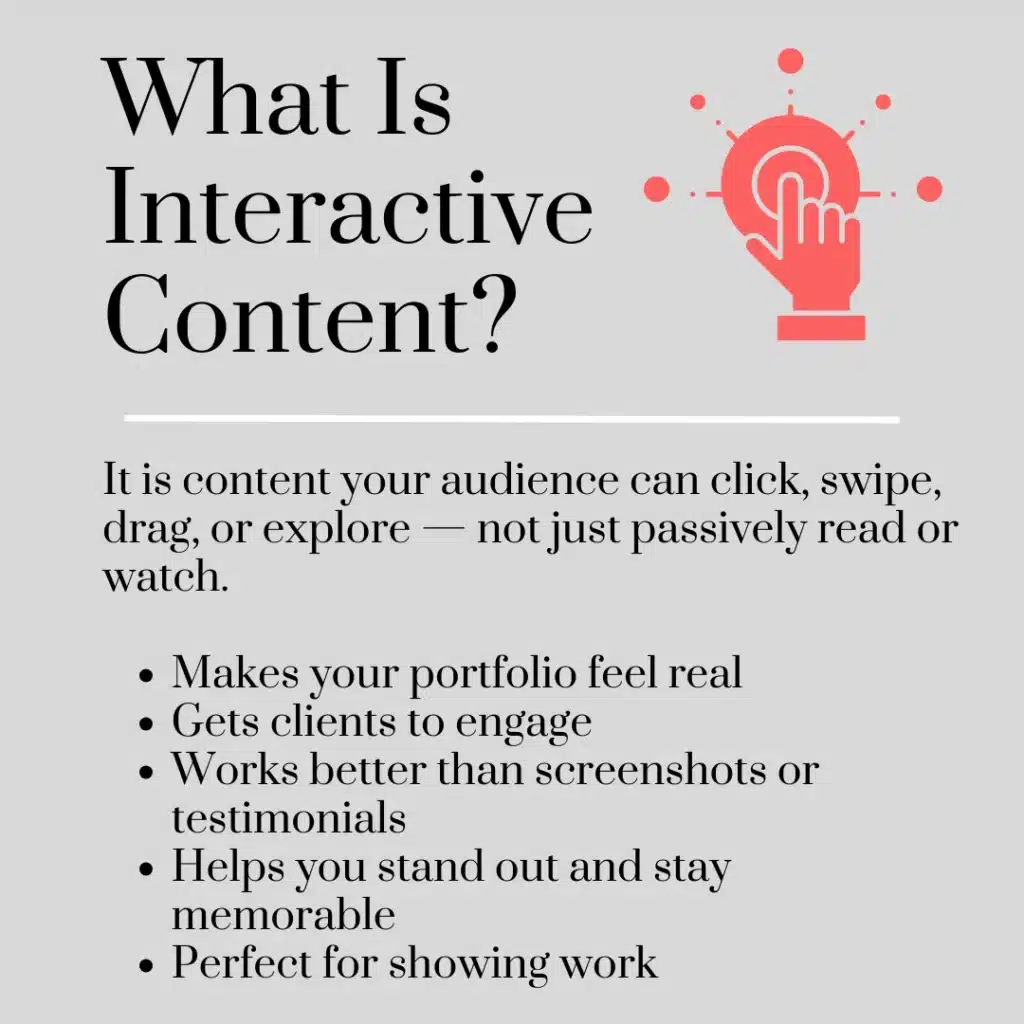


Source link

May 2, 2025 0 comment
0 FacebookTwitterPinterestEmail
Uncategorized

Is the Digital Nomad Lifestyle Worth It in 2025?

by admin May 2, 2025
written by admin


You’ve probably seen the photos — someone working on a laptop from a beach in Bali, sipping coffee in a Lisbon café, or living the so-called dream from a mountain cabin with Wi-Fi. It looks perfect. And in 2025, the digital nomad lifestyle is more popular than ever. But behind those pretty posts is a life that’s not as easy as it seems.

So we’re going to cover everything — the good parts, the hard stuff, the real costs, and whether it’s something you can actually build a future on.

First Off, Let’s Talk About the Benefits of the Digital Nomad Lifestyle

Digital nomad lifestyle brings many advantages. Here are some.

👋 Psst…Have you seen the all-new Feedcoyote yet? They’ve got a new look, more freelance opportunities, and the best collaboration tool for freelancers! Join over 100,000 fellow freelancers who network, find clients, and grow their business with Feedcoyote. Join for Free »

You Get to Work from Anywhere

This is the biggest perk. You’re not stuck at a desk or a single city. You can work from a beach hut in Bali one month and a cozy Airbnb in Lisbon the next. As long as you have your laptop and Wi-Fi, you’re good to go.

In fact, according to a recent survey, 19% of remote workers say the biggest benefit of working remotely is the freedom to live where they choose.

Source: Buffer

You choose where you live, and that changes everything. No more commuting, no more cold offices with bad lighting. Instead, you can build a routine around places that inspire you. You feel more alive, more in control. And let’s be honest — even just waking up to a view you love makes work feel lighter.

You Can Save Money Living in Cheaper Places

Rent, food, transport — all of it can be way cheaper if you choose the right places. Instead of paying $2,500 for rent in a big city, you might spend $500 in a beautiful apartment in Thailand or Vietnam.

And we’re not talking about sacrificing comfort — many nomad hubs offer amazing quality of life. You can eat out more, do fun stuff on weekends, and still have money left to save. It’s not just about travel — it’s about living well while spending less.

Eli Pasternak, Founder & CEO of Liberty House Buying Group, points out, “When your income stays steady but your expenses drop, that freedom opens up new options fast.”

Not Stuck in One Routine

Every city you go to gives you a fresh start. You try new foods, walk different streets, and meet new people. It keeps you from feeling bored or stuck in the same pattern every day.

Even your workday shifts — maybe you work mornings in one country, and evenings in another. That change keeps your mind sharp. You become more adaptable, more curious. Life doesn’t feel like it’s passing you by.

You’re not waiting for the weekend or your next vacation — because your life already feels like one. That kind of mental shift can be a huge mood booster.

Advertisement: Advertisement:

SponsoredBecome a sponsor

Learn to Live with Less

When you live out of a backpack or suitcase, you quickly learn what matters. You stop buying things you don’t need, and you start caring more about quality over quantity.

You choose one good pair of shoes instead of five. You pick tools and gear that work well and last. And guess what? You don’t miss the clutter. In fact, it feels good.

Your life becomes lighter — physically and mentally. You spend less time shopping, cleaning, or organizing stuff. Instead, you focus more on experiences, people, and places. That shift in mindset is freeing and often life-changing.

Meet People from All Over the World

Nomad life is full of interesting people. Co-working spaces, cafés, coliving spots — they’re full of folks doing cool things. And everyone has a story.

Some run businesses, some are freelancers, others are just figuring things out like you. You share meals, swap tips, maybe even work together. It’s a mix of personal and professional networking — and it often happens without you even trying.

These connections can lead to friendships, projects, or even partnerships. And because you’re meeting people from all over, your thinking expands too. You learn about other cultures, work styles, and ways of life. It’s real growth.

You Build New Habits Around Your Terms

When you’re always in motion, you’re not locked into old routines.

Want to start waking up early? Pick a quiet town. Want to focus on fitness? Stay near nature or a walkable city.

You’re not tied to old habits, people, or places. You build your days based on how you want to live — not what your city or job forces you into.

You also get to test new habits quickly. If something’s not working, you try again in the next place.

Grow Fast — Personally and Professionally

Being a digital nomad throws challenges at you — lost luggage, language barriers, finding Wi-Fi in a new city, or dealing with time zone issues. But every time you figure something out, you grow. You become more confident, more resourceful, more calm under pressure.

And that shows up in your work too. You learn to communicate better with clients, manage your time smarter, and juggle tasks across countries and schedules. You also discover new things about yourself — what you like, how you work best, and what kind of life feels right for you. That kind of growth is priceless.

Advertisement:Advertisement:

SponsoredBecome a sponsor

Hamza G. Email Outreaching Expert at Outreaching.io, adds, “Living and working on the move teaches you how to adapt fast — and that skill translates directly into better outreach. You get better at reading people, crafting personalized messages, and building real connections across time zones.”

Escape the Office Politics

When you’re a digital nomad, you don’t have to deal with office drama, gossip, or awkward team lunches. There’s no pressure to “look busy” or pretend to care about things that don’t matter.

You’re judged by your work — not by who you sit next to or how often you join after-hours calls. That kind of freedom can be a relief. You focus more on results, less on appearances.

And since many nomads work for themselves or with global teams, there’s less small talk and more clear communication. It helps you stay focused, relaxed, and in control of your workday.

You Can Turn Travel into a Lifestyle

Most people wait all year for a two-week vacation. As a digital nomad, you don’t have to. Travel becomes part of your daily life, not something you squeeze in. You’re not rushing through cities with a packed schedule.

You take your time, get to know places, and actually live in them. That means you find the best local food, favorite coffee shops, and hidden spots tourists miss. You get to feel at home in more than one place.

The Hidden Costs and Real Trade-Offs

So let’s cover the drawbacks of the digital nomad lifestyle.

Loneliness Can Hit Hard

Moving around sounds fun — and it often is — but it can also get lonely. You’re constantly saying goodbye to people just as you get close to them. Friendships can feel temporary. You miss birthdays, weddings, or even just regular hangouts with people who really know you.

Sure, you’ll meet amazing people on the road, but sometimes you’ll find yourself craving deeper connections. After a while, it can feel exhausting to keep starting over. If you’re someone who values strong community ties or family time, this lifestyle can quietly wear you down in ways you didn’t expect.

In fact, a recent report found that 38.8% of digital nomads say loneliness is their biggest fear — more than concerns about job security or burnout.

Source: Skyscanner

It’s a real part of this lifestyle that many people don’t talk about upfront, but it hits harder the longer you stay on the move.

No Routine Means You Can Burn Out Fast

Traveling often feels like a break. But when you’re working full-time while switching cities, booking places to stay, figuring out Wi-Fi, and handling new cultures — it adds up.

Your days stop feeling structured. You work odd hours, sleep poorly, and sometimes forget to rest. Over time, that lack of rhythm can affect your health and focus.

Advertisement:Advertisement:

SponsoredBecome a sponsor

According to Anup Kayastha, Founder of Checker.ai, “Many nomads burn out not because of work, but because of decision fatigue. Without a regular routine, even small things like finding a quiet spot to work or cooking a simple meal can feel like too much. It takes real effort to stay balanced.”

You’re Always Managing Visas, Rules, and Red Tape

Most countries don’t officially let you work while on a tourist visa, but that’s what many digital nomads do anyway — a legal grey area.

Every few weeks or months, you’re checking visa dates, applying for new ones, or flying out just to reset your stay. It’s not just annoying — it is risky.

Rules change fast, and one mistake could mean fines or being banned from re-entry. Even with new nomad visas available in 2025, not all of them are easy to get. There’s paperwork, fees, and time involved. You can’t just roam freely without thinking about it.

Healthcare and Emergencies Get Complicated

If you get sick in a new country, it’s not as simple as calling your doctor. You might not speak the language, not know the hospitals, or not be covered by your insurance.

Sure, you can buy travel health insurance, but it’s often limited or hard to use. If something serious happens, you could be far from home, family, or proper care. Even routine things like dental visits, prescriptions, or check-ups can become tricky.

When you’re constantly on the move, having reliable access to healthcare isn’t just important — it’s essential. Without a solid plan, small problems can quickly turn into major setbacks.

Your Finances Can Get Messy

Living and earning in different countries brings a lot of financial confusion.

  • Which country do you pay taxes in?
  • Do you need to file in your home country too?
  • How do you manage banking, exchange rates, or invoices across borders?

If you’re freelancing or self-employed, it’s even more complex. One missed rule could lead to fines, frozen accounts, or lost money. Not every country makes it easy for foreigners to work online. You’ll need to figure out taxes, insurance, and retirement savings mostly on your own. And that’s a lot to manage while you’re also trying to stay productive.

Here are the tools and technologies that help digital nomads stay productive, connected, and in control while working from anywhere in the world.

Reliable Wi-Fi and Mobile Hotspots

Good internet is the backbone of the digital nomad lifestyle. You can’t do much without it — whether you’re sending emails, joining Zoom calls, or uploading work. That’s why many nomads travel with portable Wi-Fi devices or buy local SIM cards with strong data plans.

Mobile hotspots like Skyroam or even just tethering from your phone can save the day when café Wi-Fi fails. Steve Morris, Founder & CEO of NEWMEDIA, points out, “Before booking a place, most nomads check Wi-Fi speed reviews or ask the host directly. So having a backup plan for the internet is a must if you want to stay on track.”

Time Zone Tools to Keep Work in Sync

When your clients or team are in different time zones, it’s easy to get confused. You don’t want to miss meetings or send messages at 2 a.m. That’s why tools like World Time Buddy or Google Calendar’s time zone feature come in handy.

They help you plan your day around others without the guesswork. Many remote workers also set their phone or laptop to multiple clocks so they always know the time back home or at their client’s location. Staying organized with time zones saves you from awkward moments. And shows people you’re professional, even from miles away.

Communication Apps Like Slack and Zoom

Clear communication is key when you’re not in the same room. Slack, Zoom, Microsoft Teams, and WhatsApp make it easy to stay in touch no matter where you are.

Slack is great for quick updates and keeping work chats organized. And Zoom helps you jump on calls and feel connected, even when you’re halfway across the world.

These tools let you check in with your team, ask questions, and handle things fast. You don’t need to be in an office to stay in the loop — you just need the right apps and a good headset.

Project and Task Management Tools

When you’re managing your own time, staying organized is everything. Notion, Trello, Asana, and ClickUp help you keep track of what you’re working on. You can break big projects into smaller steps, set deadlines, and see your progress.

Some nomads use these tools just for work, others use them for their full life — travel plans, budgets, fitness, and even journaling. The key is keeping things out of your head and into a system.

When you know what needs to be done each day, it’s easier to relax and enjoy the nomad life without falling behind.

Cloud Storage and Backup Solutions

Losing your work is a nightmare — especially when you’re in a different country with no tech support. That’s why using cloud storage like Google Drive, Dropbox, or iCloud is so important.

These tools keep your files safe and accessible from anywhere. You can work from your laptop in the morning and check the same files from your phone later.

Some nomads also use backup drives or automatic syncing so nothing gets lost if their device breaks or goes missing. When your whole job depends on a laptop, backing up your work is necessary.

Tips to Make It Worth It in 2025

Follow these below tips to make digital nomad lifestyle better.

Start Slow and Test the Lifestyle

Don’t sell everything and jump on a plane right away. Start with a short trip — maybe one or two months — and see how it feels. Work your regular job from a different location and pay attention to what works and what doesn’t.

Dan Close, Founder and CEO at We Buy Houses in Kentucky, shares, “Testing the lifestyle first gives you clarity. You’ll quickly find out if the freedom really fits your day-to-day work style — before making any big life changes.”

Testing the lifestyle before going all in helps you avoid burnout, culture shock, and big regrets. It also gives you time to learn what kind of places and setups work best for you.

Choose Your Destinations Wisely

Not every city is great for digital nomads — even if it looks cool on Instagram. Before booking a flight, check the cost of living, Wi-Fi speed, safety, and visa rules. Look for places with a strong remote work community, good co-working spaces, and reliable transport.

Cities like Lisbon, Medellín, and Chiang Mai are popular for a reason — they balance comfort, cost, and community. The more research you do before going, the smoother your stay will be.

Keep a Simple Routine That Grounds You

When you’re always on the move, it’s easy to feel scattered. A simple daily routine can help you stay focused.

Start your day at the same time. Set clear work hours. Take real breaks. Move your body. Eat properly. It doesn’t need to be strict — just steady enough to keep you grounded.

Without a routine, the line between work and travel can blur fast, leaving you feeling like you’re doing neither properly. A little structure makes the freedom more enjoyable.”

Manage Your Money Carefully

One of the biggest reasons people quit the nomad life is money stress. Track your expenses, set a budget, and build an emergency fund. Use Wise or Revolut to avoid crazy fees when moving money across countries.

Also, think about taxes — find out where you’re supposed to file and don’t ignore it. You don’t need to be rich to live this lifestyle, but you do need to be smart with your money. Financial peace makes the whole thing a lot more fun.

Focus on Long-Term Skills

It’s easy to get caught up in beaches and travel photos. But if you want to make this life last, focus on building real skills — the kind that bring in steady income from anywhere. Whether it’s writing, coding, marketing, design, or coaching — keep learning and improving.

The stronger your skills, the more freedom you’ll have. You won’t just be chasing gigs — you’ll be choosing the work and life you actually want. That’s what makes it truly worth it in the long run.

Take Breaks from Travel

Constant travel might sound exciting, but it can wear you down over time. Different time zones, airports, noise, and new environments can drain your energy. That’s why it’s smart to pause now and then — stay put for a while, catch your breath, and focus on rest or deep work.

Spending a few months in one place doesn’t make you “less” of a digital nomad. In fact, it helps you experience local culture more deeply, build temporary routines, and enjoy a healthier pace. It also gives you a chance to reflect and plan your next move instead of just reacting to what’s next on the map.

Jimi Gecelter, CEO of Tradeit, states, Travel is great — but rest is part of the journey too. The best nomads know when to slow down to make the lifestyle last.”

Popular Destinations for Digital Nomads in 2025

With more countries welcoming remote workers, choosing the right place to live and work matters more than ever. Here are five cities digital nomads are flocking to in 2025.

1. Lisbon, Portugal

Lisbon continues to be a top pick for digital nomads — thanks to its stable internet, walkable neighborhoods, and growing remote work culture. The city has a mix of old charm and modern living — cobblestone streets, pastel buildings, and plenty of cafes with strong coffee and Wi-Fi.

And here English is widely spoken, which makes settling in easier. While prices have gone up, especially for rent, it’s still more affordable than other Western European capitals. The weather is mild most of the year, and the pace of life is relaxed.

2. Medellín, Colombia

Medellín has gone from overlooked to one of the most talked-about cities for remote workers. It offers a lower cost of living compared to most Western cities — with good public transport, fast internet, and a growing number of co-working spaces.

The city’s “eternal spring” climate means pleasant temperatures year-round. Areas like El Poblado and Laureles are especially popular among nomads due to safety, walkability, and access to cafes and community events. While Spanish helps, many locals in tourist areas speak basic English.

3. Chiang Mai, Thailand

Chiang Mai is favorite for digital nomads who prefer peace, affordability, and simplicity. It’s far less hectic than Bangkok, yet still offers everything a remote worker needs — good internet, co-working spaces, low living costs, and plenty of food options.

Apartments are cheap, and daily expenses are manageable even on a modest income. The nomad scene here is well-established, with meetups, networking events, and a helpful online community. Visas are tricky, but many nomads either renew through travel or apply for education or volunteer programs.

4. Tbilisi, Georgia

Tbilisi has been gaining attention among digital nomads due to its low cost of living and the relatively easy visa options — including a 1-year digital nomad visa.

The city blends Eastern European and Middle Eastern influences, with a unique culture, good food, and warm hospitality.

The internet is decent here, and many apartments come fully furnished at affordable prices. The lifestyle is slow-paced, and you can find everything from local bakeries to stylish cafes in walkable neighborhoods. While infrastructure is still catching up in some areas, the community is growing fast.

5. Bali, Indonesia

Bali has long been a hotspot for digital nomads, especially in areas like Canggu and Ubud. It offers a range of co-working spaces, healthy food options, and a large community of remote workers and entrepreneurs.

The cost of living varies — you can live cheaply or spend more for comfort — but it’s still affordable compared to Western standards. Internet quality can be hit or miss, but most nomad-friendly places offer solid Wi-Fi. What draws people in is the lifestyle — tropical views, yoga studios, motorbike rides, and a focus on personal wellness.

The Career Side: Who Is Actually Doing Well?

Not every job works with the digital nomad lifestyle. Some people struggle, while others do just fine. Here’s what actually works.

Freelancers Doing Remote Work

Freelancers often find it easier to live the digital nomad life. If you write, design, code, edit videos, or manage social media, you can work from anywhere. You usually set your own hours and choose your clients.

Martin Seeley, CEO & Senior Sleep Expert at Mattress Next Day, suggests, “As long as you stay organized and deliver on time, clients don’t care where you’re working from. Many freelancers use Upwork or Fiverr to get started, then build long-term clients from there.”

It’s not always stable in the beginning, but over time, it can give you the freedom to travel and work on your own terms.

Full-Time Remote Employees

People with remote jobs at companies can also live as digital nomads — but it depends on the job and time zones. If you work for a company that lets you work from anywhere, you’ll still need to show up for meetings and be online during certain hours. That can be hard if you’re in a different part of the world.

Some employees adjust their travel plans to match work hours. Others pick cities with similar time zones. If the company supports remote work fully, this setup is a good balance of steady income and location freedom.

Online Business Owners

Running your own business online gives you more freedom than most. You’re not answering to a boss or client — you set your own schedule and choose what to work on.

Many nomads build businesses around digital products, coaching, e-commerce, or services like consulting. It’s not easy in the beginning, and it takes time to build income you can depend on.

But once the systems are in place, it becomes easier to travel without worrying about every little detail.

People Earning Passive Income

This is the most flexible type of work. Passive income comes from things like online courses, YouTube, affiliate marketing, or digital downloads. Once you’ve done the hard work upfront, you can keep earning without working every single day.

Of course, it’s never fully passive — you still have to check in, update content, and respond to customers. But it gives you more time to explore new places or take days off without falling behind. This setup works well for nomads who want to travel slow and avoid being glued to a laptop all day.

People with Tech or Creative Skills

Some skills work better for the nomad lifestyle. If you’re good at something that can be done online — like web development, UX/UI design, SEO, writing, video editing, or digital marketing — you’re already in a good spot.

These jobs are in demand, and you can find work from clients all over the world. The better your skill, the more you can charge. You don’t have to chase low-paying gigs forever.

Learning these skills doesn’t happen overnight, but if you’re willing to improve and stay up-to-date, they can carry you through a long-term remote career.

Who Should Probably Think Twice Before Going Nomad

The digital nomad lifestyle looks amazing on social media. But the truth is — it’s not for everyone.

If you take care of family members, have kids in school, or have health needs that require regular check-ups, this lifestyle is complicated for you. Because not every country has good healthcare, and even if it does, it might not be easy to find help when you need it.

Travel insurance can cover some things, but not everything. Plus, if something goes wrong — whether with your health or back home — being far away can leave you feeling helpless. Nomad life gives you space, but sometimes that space can feel too far when you need people close by.

In an interview, Malcolm Ferrante, Senior Manager – Immigration and Relocation of CSBGroup, said, “When you’re relocating or working abroad, health and family considerations are more than logistical — they’re emotional. Having the right support network and local knowledge can make a huge difference in how manageable and safe the experience feels.”

Final Thoughts: Is It Something You Should Try?

The digital nomad lifestyle is worth a try, but only if it fits the kind of life you want. It works well for people who enjoy freedom, like change, and can stay focused without much help.

But it’s not always fun. You might feel lonely, worry about money, or struggle to work in noisy places. If you need routine or want to stay close to family, this lifestyle can feel a bit too much.

So the best thing you can do is take it slow. Try it for a short time and see if it feels right for you.

Keep the conversation going…

Over 10,000 of us are having daily conversations over in our free Facebook group and we’d love to see you there. Join us!
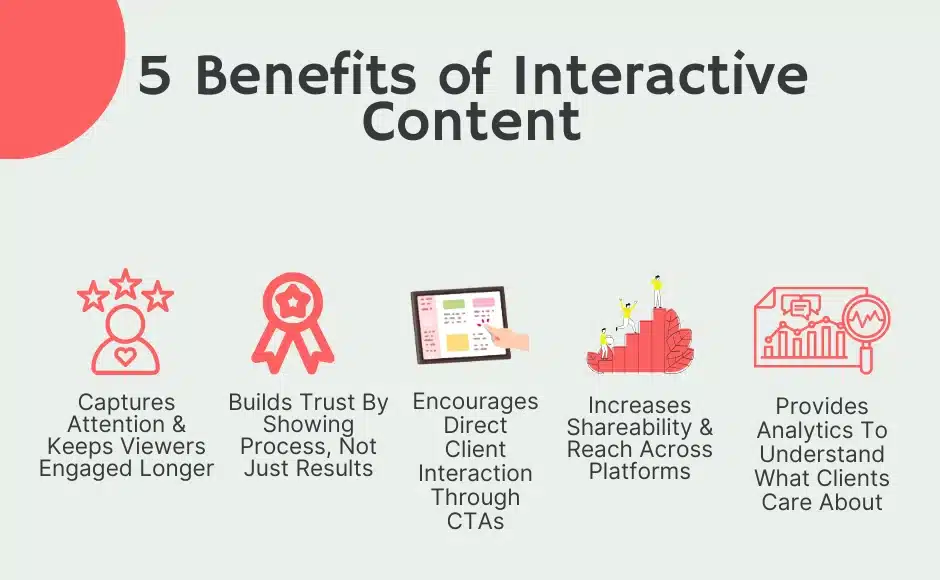


Source link

May 2, 2025 0 comment
0 FacebookTwitterPinterestEmail
Uncategorized

6 Money Tips Every Gig Worker & Freelancer Needs to Know

by admin April 30, 2025
written by admin


The modern labor market is changing rapidly — with it, the deal for gig workers is being redefined, reshaping the financial reality of millions of people. The gig economy, where freelancers, self-employed individuals, and independent contractors choose freedom over the traditional nine-to-five schedule, is already valued at $556 billion. Analysts predict that this figure will triple by 2032. However, income instability and constant financial pressure lie behind the flexible schedules and the freedom to choose projects.

A freelancer’s financial life is a rollercoaster: a Saturday night might bring in a significant amount, and by Monday morning, the account could be nearly empty again. This instability explains why loans for gig workers have long become a part of financial normalcy—not as a sign of weakness but as a working tool when quick access to funds is needed between projects or to cover unexpected expenses.

The gig economy is not just a trend but a full-fledged sector of the new economy. And if you want to feel confident in this environment, it’s important to do your job well and build a flexible financial strategy as you build your schedule. Read the article to learn how to manage your income wisely, handle earnings volatility, and use financial tools specifically suited for freelancers and gig workers.

👋 Psst…Have you seen the all-new Feedcoyote yet? They’ve got a new look, more freelance opportunities, and the best collaboration tool for freelancers! Join over 100,000 fellow freelancers who network, find clients, and grow their business with Feedcoyote. Join for Free »

Top 6 Financial Tips for Freelancers

Freelancers face ups and downs in pay, and these tips will help you build stability:

Track Your Income and Plan Your Budget

Gig paychecks can vary a lot, so track all sources of income and monthly expenses. Once you have a few months of data, plan a budget around your baseline income. Calculate the lowest few months’ earnings to know the minimum you need for essentials.

A few more details are:

  • Separate accounts. Use a separate bank account for your freelance income to see your business earnings.
  • Visualize your money. Use YNAB to categorize expenses.
  • Prepare for irregular bills. Mark down high or irregular costs and budget for them gradually. Put aside a small amount each month.

Build an Emergency Fund

It’s your safety net when income dips. Save several months’ worth of living expenses. Store this fund in an easily accessible place. Nearly 30% of adults said they could not cover a 3-month loss of income at all. Don’t be one of them.

Everyone needs to have an emergency fund. Start small and be consistent:

  • Automate savings. You automatically transfer 5–10% into a separate account each time you get paid.
  • Treat savings like a bill. Decide on a monthly savings goal and “pay yourself” first.
  • Use windfalls. If you receive a tax refund or bonus, transfer it into your emergency fund.
  • Cut spending. Temporarily reduce non-essential expenses and redirect that money.

Create Multiple Sources of Income

Relying on just one client can leave you exposed. Instead, look for ways to diversify where your money comes from. This doesn’t mean working non-stop but creating multiple income channels so that if one slows down, you still have others.

For example, you might:

  • Use multiple platforms. If you drive for Uber, also deliver for DoorDash during slow hours.
  • Offer varied services. Expand your skill set. A graphic designer could sell stock graphics online or teach a short course.
  • Find passive income. Can you create a digital product to sell? Any such income helps balance earnings.
  • Get a part-time job. Some gig workers take a part-time job to guarantee some regular pay while freelancing.

Automate Your Finances

Looking for an easy way to save money? Make it automatic. Set up your bank accounts so that a portion automatically moves to savings when the money hits your main account.

Use online bill pay or automatic debits to avoid missing a due date and incurring late fees. Paying your credit card on time every month also builds your credit. Consider Digit, Qapital, or your bank’s automatic savings features. Automation is a simple but powerful habit. When money moves and bills pay themselves, you avoid the common problem of “out of sight, out of mind.”

Plan for Taxes and Retirement

Project-based work also means you are responsible for your taxes and retirement savings. Setting aside 25–30% of your gross income for federal and state taxes is wise to avoid unpleasant surprises. Use a federal income tax calculator to accurately estimate the amount you need to reserve and avoid a sudden tax bill in April. It’s also important to contribute to a retirement account for the self-employed, such as a SEP-IRA or Solo 401(k).

Unlike W-2 employment, where the employer makes contributions, freelance income does not come with pension benefits or automatic tax withholdings. That’s why freelancers should account in advance for approximately 15% in additional Social Security and Medicare taxes—on top of income tax—and include this in their budgeting.

Keep Your Credit and Records in Good Shape

Pay all your bills on time — your credit history matters, especially if you’re a freelancer who occasionally needs external financing. Try not to max out credit lines – high utilization can hurt your score. Keep good records throughout the year. Save invoices, receipts, and bank statements. Not only will this make tax time easier and potentially save you money, but a clear financial history strengthens your position if you apply for a loan or credit line.

Should You Consider Gig Worker Loans?

Today, more than 41 million Americans make a living outside the office — with one ride, delivery, or project at a time. This is nearly a third of the adult population. However, despite the flexibility of this lifestyle, most of these people remain vulnerable in critical moments: 83% of gig workers have less than $500 in savings for emergencies. The situation can become stressful when equipment or a car breaks down, and a project is in full swing.

In such moments, the question is not whether to take a loan but how to do it wisely. Traditional banks still favor stable W-2 income, not freelance or gig work. That’s why it’s important to know that freelancers have alternatives:

  • Flexible funding. Instead of traditional loans, try platforms like GoFundMe, Kiva, or Patreon. You can raise funds for an important purchase, upgrade equipment, or cover medical expenses by relying on the support of your audience.
  • Quick cash without overpaying. Sometimes, simply selling unused equipment on eBay or Facebook Marketplace is enough. This is a quick way to get cash without debts or interest.
  • Income smoothing. Delivery and taxi apps have already implemented instant payment features. This is convenient when a week turns out to be unstable. Also, consider business cards with a 0% introductory rate — it may be cheaper than a loan with a high interest rate.

So, should you ever use a loan designed for freelancers? Yes — economically and strategically. If borrowed money supports your main income source (for example, repairing a broken transmission that supports your income from rideshare work) or financing growth that should outpace interest (for example, buying a high-demand camera lens that immediately increases orders), a personal loan or SBA microloan can be a wise step. However, start with the cheapest options listed above for everyday expenses and consider high-interest products only as a last resort.

Advertisement:Advertisement:

SponsoredBecome a sponsor

Final Thought

Experienced freelancers have long abandoned a spontaneous approach to personal finance. They use automated tax accounting tools, build contingency funds, establish reserves from multiple income streams, and rely on services that offer real-time payouts. This is not about “financial discipline for the sake of discipline” but about creating a predictable foundation that allows them to focus on growth, clients, and skill development.

Advertisement: Advertisement:

SponsoredBecome a sponsor

Keep the conversation going…

Over 10,000 of us are having daily conversations over in our free Facebook group and we’d love to see you there. Join us!
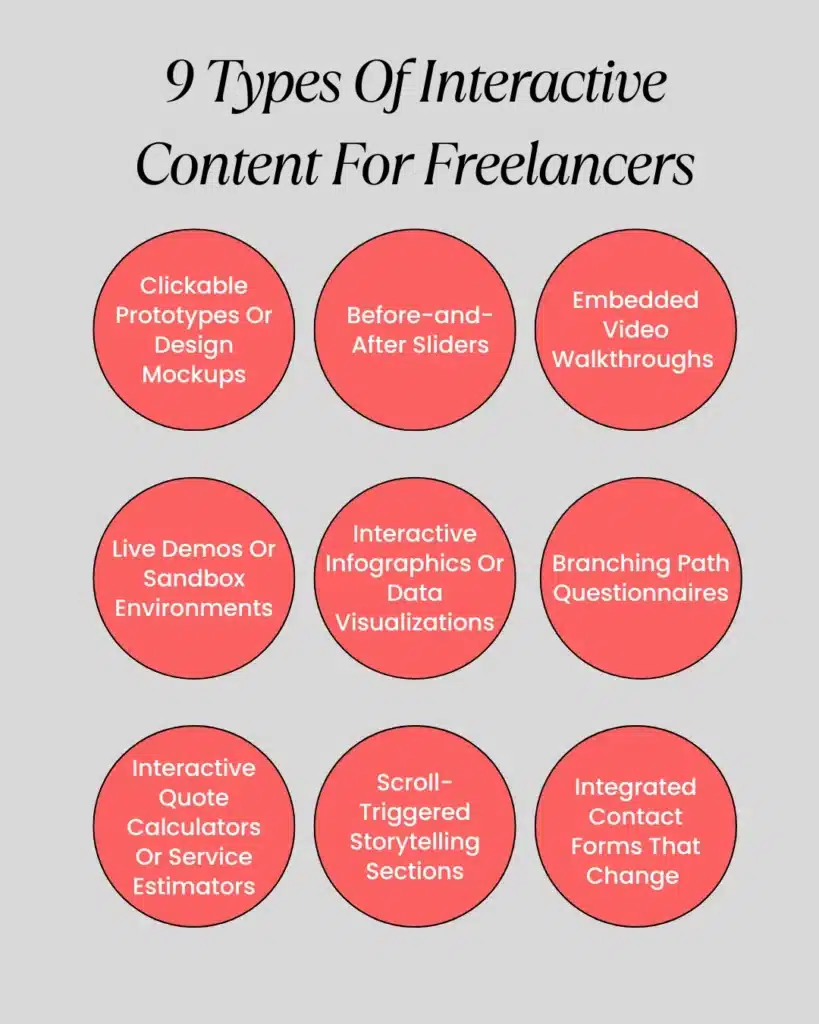


Source link

April 30, 2025 0 comment
0 FacebookTwitterPinterestEmail
Uncategorized

How to Build a Portable Home Office for Digital Nomads

by admin April 23, 2025
written by admin


A portable home office allows digital nomads to work efficiently from anywhere, whether in New York’s cafes or a quiet beachside retreat.

A stable, lightweight setup with some creative office design improves productivity and comfort. Many remote workers struggle with uncomfortable seating, slow internet, and poor organization. A properly built portable home office for digital nomads prevents these problems and enhances workflow.

A remote setup must be lightweight, compact, and functional.

email alerts

Get Weekly Freelance Gigs via Email

Enter your freelancing address and we’ll send you a FREE curated list of freelance jobs in your top category every week.

A clutter-free space improves focus.

Without the right equipment, digital nomads experience back pain, wrist strain, and distractions. A smart setup prevents discomfort and boosts performance. With this in mind, selecting the right tools, workspace, and connectivity solutions is key to a productive remote office.

Finding the Perfect Work Spot in a Busy City

A portable home office for digital nomads should be flexible enough to adapt to any location. While working from home or in co-working spaces is common, many remote workers enjoy setting up in cafes to change the environment. Finding a quiet yet inspiring spot with strong Wi-Fi, comfortable seating, and good coffee makes a difference in productivity.

In a place like Manhattan, the options for work-friendly spaces are endless. Some places offer spacious seating, power outlets, and a relaxed atmosphere perfect for long work sessions. Many digital nomads in Manhattan seek out the best coffee shops in the area to combine work with a great cup of coffee. A well-chosen spot can provide reliable internet, minimal distractions, and a comfortable setup for remote work.

For those working in busy urban areas, testing different locations helps find the right environment. Some prefer lively cafes with background noise, while others need quiet lounges or library-like settings. Using noise-canceling headphones or scheduling work during off-peak hours ensures a more focused experience. With this in mind, balancing convenience, comfort, and connectivity helps maintain an efficient workflow, no matter the city.

Choosing the Right Lightweight Tech Gear

A light setup prevents strain and enhances mobility. A thin, high-performance laptop is essential. Ultrabooks offer long battery life and fast processing. They will be ideal for your personalized office. Convertible 2-in-1 laptops offer flexibility, allowing users to switch between tablet and laptop modes.

A portable monitor enhances efficiency by providing a dual-screen setup. This is useful for tasks like coding, designing, or managing multiple tabs. Foldable keyboards and mice offer a comfortable typing experience without adding weight. Compact trackpads and ergonomic mice help reduce wrist strain.

Noise-canceling headphones block unwanted sounds in cafes, airports, and co-working spaces. Distractions slow productivity, making a quiet work environment essential. Power banks and compact chargers ensure uninterrupted work sessions. A multi-port USB hub keeps all devices connected without carrying extra adapters.

As a matter of fact, choosing the right tech gear reduces frustration and enhances workflow. Lighter, faster, and more reliable equipment makes remote work easier.

Advertisement: Advertisement:

SponsoredBecome a sponsor

Smart Desk Solutions for Small Spaces

A foldable laptop stand prevents neck and back strain. Poor posture leads to discomfort and long-term issues. A portable standing desk improves health and focus. Many digital nomads use height-adjustable stands to work in different positions. Not to mention, keeping the workspace organized and clutter-free increases efficiency. Cable organizers and storage pouches prevent tangled wires and misplaced accessories. A minimalist approach ensures a functional yet lightweight setup.

A compact, ergonomic chair or seat cushion supports posture. Sitting for long hours on hard surfaces causes discomfort. A lightweight, foldable chair offers better support. In contrast, working without proper seating can lead to back pain. A clip-on reading light helps in low-light environments. This is useful when working in hotel rooms, hostels, or dimly lit cafes. Small, battery-operated desk lamps improve visibility without taking up space. A portable whiteboard or digital notepad helps with brainstorming and note-taking.

Reliable Internet: Staying Connected Anywhere

A stable internet connection is critical for digital nomads. Of course, unreliable Wi-Fi leads to missed deadlines and frustration. Portable hotspots offer secure, fast connections. Many remote workers use global SIM cards or eSIM services for better coverage.

A compact Wi-Fi router boosts weak hotel or cafe connections. VPNs ensure secure browsing, protecting sensitive data on public networks. As an illustration, digital nomads working in shared spaces benefit from secure internet solutions to prevent hacking risks.

Reliable connection options include Skyroam, GlocalMe, and regional providers’ SIM cards. Using multiple connectivity options ensures uninterrupted workflow. Checking internet speeds before booking accommodations prevents issues.

Essential Apps and Software for Productivity

Besides, the right software improves efficiency. Task management apps keep work structured. Trello, Asana, and Notion help organize projects. Time-tracking apps like Toggl and RescueTime monitor productivity.

Cloud storage solutions ensure access to important files from any device. Google Drive, Dropbox, and OneDrive offer secure file storage. Password managers like 1Password and LastPass protect credentials, reducing security risks.

VPN services keep connections secure on public networks. Focus-enhancing apps like Freedom, Cold Turkey, and Forest block distractions. With this in mind, using the right tools enhances workflow and security.

Packing and Organizing Your Mobile Office

As an illustration, a well-packed bag saves time. Lightweight backpacks with padded laptop compartments protect tech gear. Packing cubes organize accessories and cables.

Cable organizers prevent tangles and make charging devices easier. Multi-device chargers reduce the need for multiple adapters. A portable surge protector prevents power issues.

Travel-friendly document holders keep passports, visas, and business documents secure. A compact scanner app like CamScanner or Adobe Scan helps digitize paperwork. In short, proper organization saves time and reduces stress.

Creating a Productive Work Environment Anywhere

Another key point is that an efficient workspace enhances focus. Choosing the right work location prevents distractions. Cafes, co-working spaces, and libraries provide reliable workspaces.

Advertisement:Advertisement:

SponsoredBecome a sponsor

Noise-reduction techniques like white noise apps and noise-canceling headphones improve concentration. Setting work hours helps maintain structure. Using digital nomad-friendly locations like Selina, WeWork, and Regus ensures access to professional spaces.

Work-life balance is crucial. Without structure, burnout becomes a risk. Therefore, your office should be designed with both health and productivity in mind. Scheduling breaks and setting clear work hours prevent overworking. Similarly, separating work and leisure time improves mental well-being.

Summary: Portable Home Office for Digital Nomads

A portable home office helps digital nomads stay productive. A lightweight setup, smart desk solutions, and reliable internet create a functional workspace anywhere. Using the right apps, tools, and organization techniques improves workflow. A portable home office for digital nomads is an efficient, comfortable, and travel-friendly solution that is perfect for a nomadic lifestyle. In short, investing in quality gear, a structured workspace, and secure internet ensures smooth remote work. A well-planned setup boosts efficiency and reduces stress, making travel and work seamless.

Meta: Discover how to build a portable home office for digital nomads. Get expert tips on lightweight gear, compact workspaces, and productivity!

Kw: portable home office for digital nomads

Pics:

https://www.pexels.com/photo/people-in-couch-1024248/

Advertisement:Advertisement:

SponsoredBecome a sponsor

Keep the conversation going…

Over 10,000 of us are having daily conversations over in our free Facebook group and we’d love to see you there. Join us!


Source link

April 23, 2025 0 comment
0 FacebookTwitterPinterestEmail
Newer Posts
Older Posts

Recent Posts

  • The 6 Best App Builders That Turn Ideas Into Apps
  • The ‘Nice Freelancer’ Trap and How It’s Costing You Money
  • How to Start Small and Win Big
  • The Freelancer’s Guide to Boosting Productivity with All-in-One Project Management
  • How Freelancers Use Advanced Finance Skills to Build Stronger Businesses

Recent Comments

No comments to show.

About Me

About Me

Vintage Lover

Sed ut perspiciatis unde omnis iste natus error sit voluptatem accusantium doloremque laudantium, totam rem aperiam, eaque ipsa quae.

Keep in touch

Facebook Twitter Instagram Pinterest Bloglovin Rss

Photography

  • The 6 Best App Builders That Turn Ideas Into Apps

    January 27, 2026
  • The ‘Nice Freelancer’ Trap and How It’s Costing You Money

    January 27, 2026
  • How to Start Small and Win Big

    January 23, 2026
  • The Freelancer’s Guide to Boosting Productivity with All-in-One Project Management

    January 23, 2026
  • How Freelancers Use Advanced Finance Skills to Build Stronger Businesses

    January 22, 2026

On Instagram

No images found!
Try some other hashtag or username

Recent Posts

  • The 6 Best App Builders That Turn Ideas Into Apps

    January 27, 2026
  • The ‘Nice Freelancer’ Trap and How It’s Costing You Money

    January 27, 2026
  • How to Start Small and Win Big

    January 23, 2026
  • The Freelancer’s Guide to Boosting Productivity with All-in-One Project Management

    January 23, 2026
  • How Freelancers Use Advanced Finance Skills to Build Stronger Businesses

    January 22, 2026

Categories

  • Memories (7)
  • On The Road (6)
  • Photography (7)
  • Uncategorized (136)
No images found!
Try some other hashtag or username

Subscribe Newsletter

Subscribe my Newsletter for new blog posts, tips & new photos. Let's stay updated!

  • Facebook
  • Twitter
  • Instagram
  • Pinterest
  • Bloglovin

@2021 - All Right Reserved. Designed and Developed by PenciDesign


Back To Top
My Blog
  • Home
  • About Me
  • Cart
  • Checkout
  • Shop
  • Contact

Shopping Cart

Close

No products in the cart.

Close